400-Pound Sea Turtle Rescued From Resort Pool
A disoriented nesting sea turtle fell into a swimming pool at a Cayman Islands resort, but volunteers lifted her to safety and returned her to the ocean. The rescue highlights how simple changes to beachfront properties can protect sea turtles during nesting season.
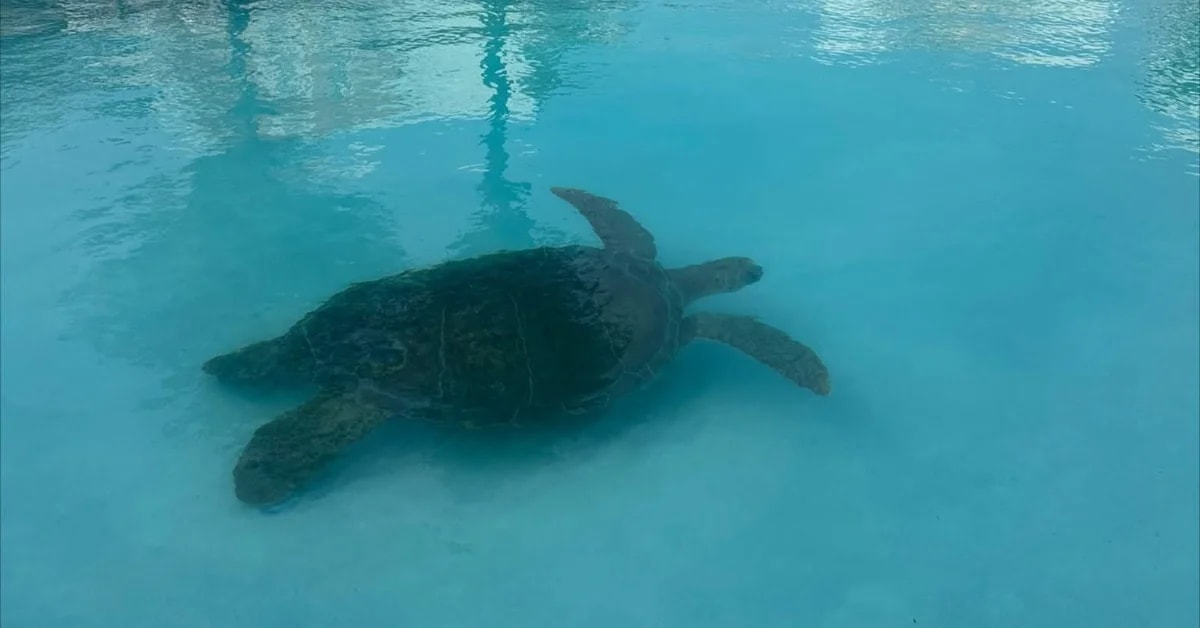
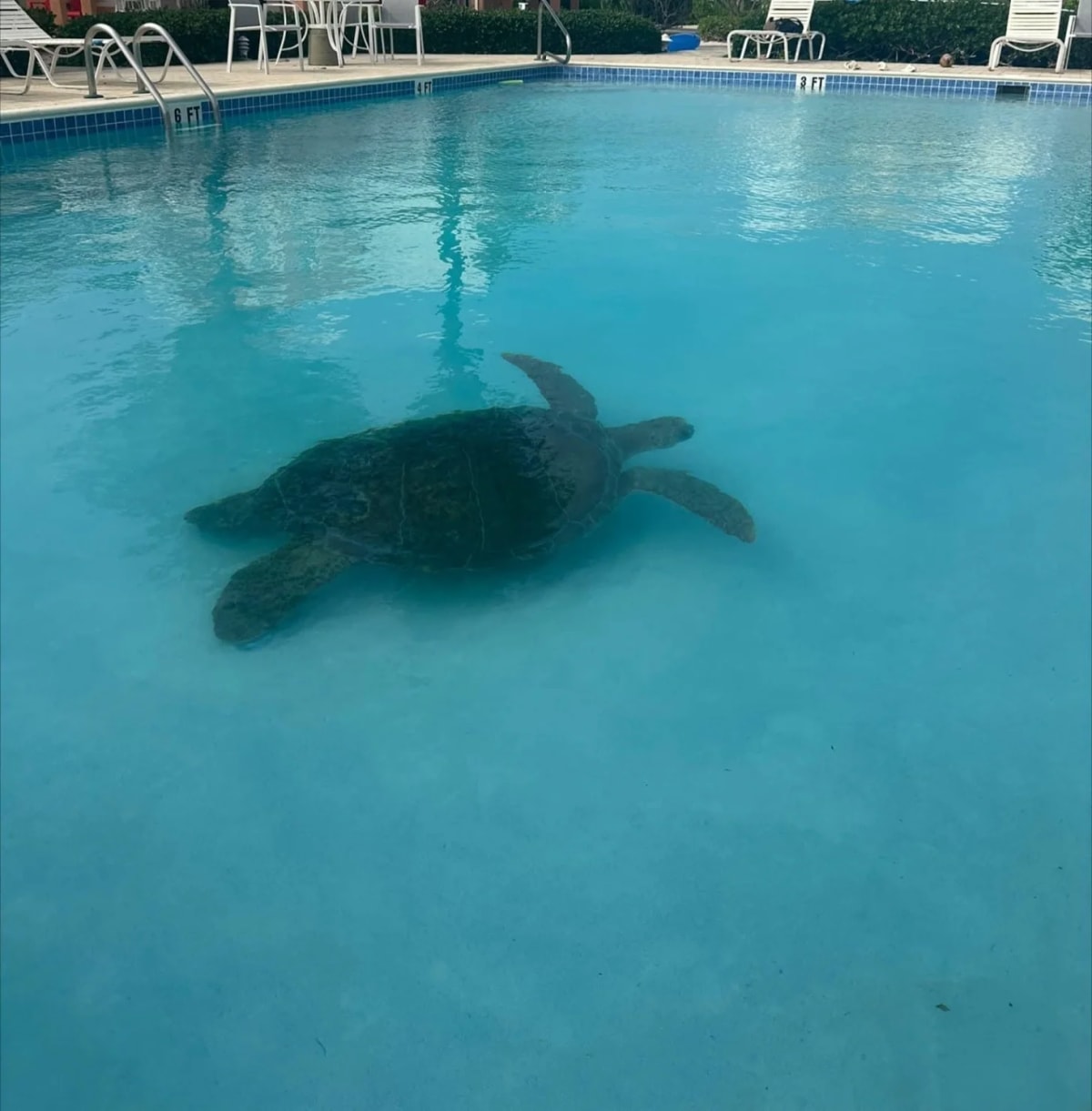
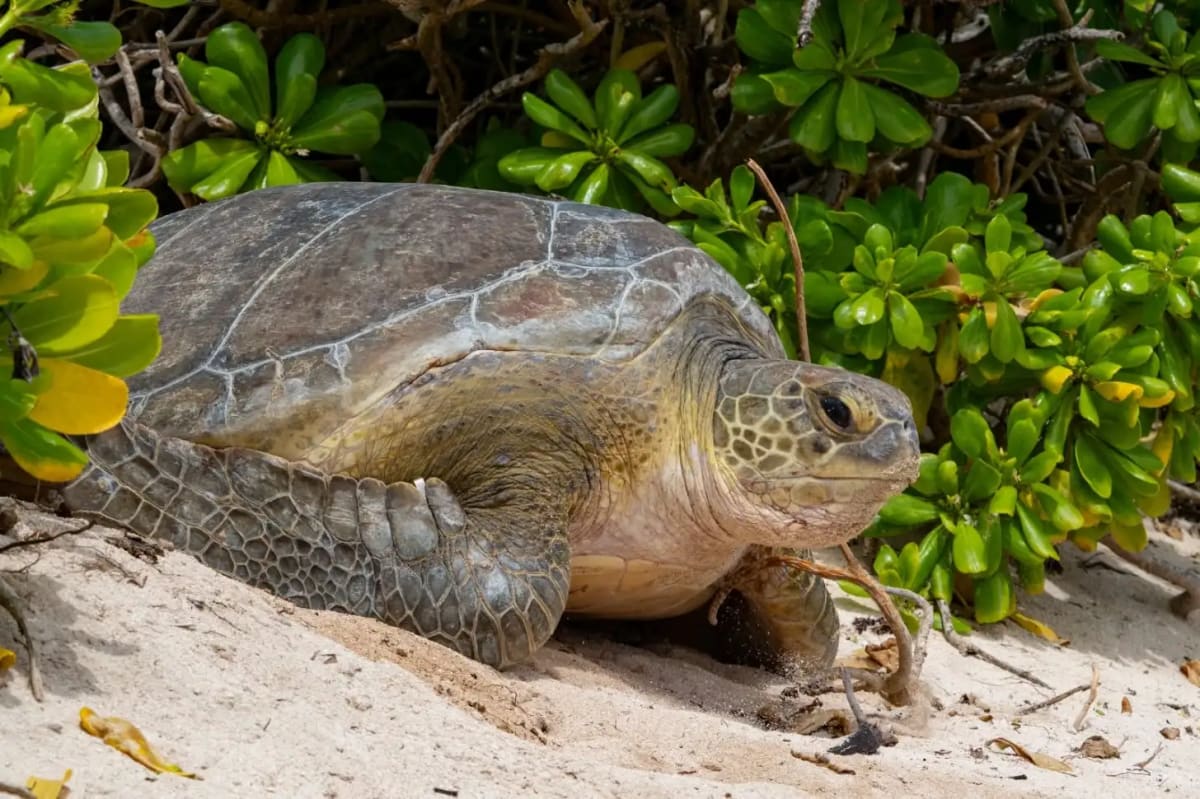
When volunteers with the Cayman Islands Department of Environment arrived for a routine beach check last week, they found a 400-pound green sea turtle stuck in a resort swimming pool. The massive female had crawled ashore to nest at Rum Point but ended up trapped instead of returning to the sea.
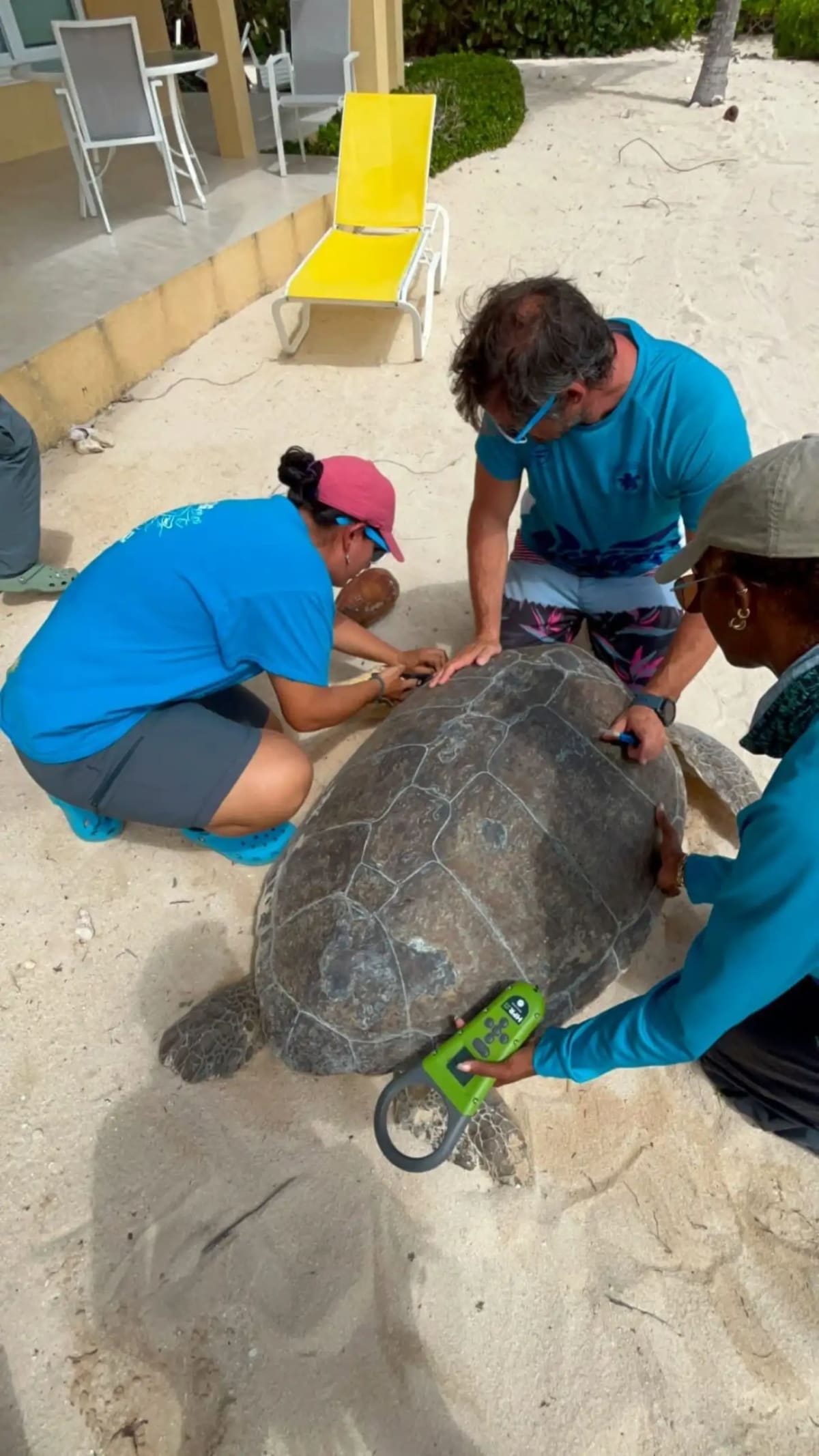
Getting her out was no easy task. The conservation team worked together to safely lift the heavy turtle from the pool, check her health, tag her for tracking, and release her back into the ocean.
She was lucky to be found healthy, but her predicament isn't rare. Female sea turtles come ashore at night during nesting season, and artificial lights from beachfront development can leave them completely disoriented.
Instead of following the natural moonlight back to the ocean, confused turtles often wander into developed areas. When they encounter ground-level pools, they can fall in and become trapped with no way to climb out.
The problem extends beyond nesting mothers. Baby sea turtles instinctively crawl toward the lowest and brightest horizon, which should be the ocean reflecting starlight.
Artificial lights from buildings, pools, and even flashlights can redirect hatchlings away from the water and toward danger. Without intervention, these tiny turtles never make it to their ocean home.
The Ripple Effect
The Department of Environment is asking beachfront properties to make turtle-friendly changes that protect these endangered animals. Simple actions like reducing visible artificial light, restoring native coastal vegetation, and installing barriers around ground-level pools can save lives during nesting season.
Property owners can also move beach furniture and small watercraft off the sand overnight and ensure ground-level pools have proper fencing. These practical steps create safe pathways for mother turtles and their babies.
Beach visitors play a role too. Keeping beaches flat and easy to navigate helps turtles move safely, and reducing personal light sources prevents disorientation.
This rescued turtle is now safely swimming in the ocean where she belongs, thanks to quick action from trained volunteers and a community committed to protecting marine life.
More Images

Based on reporting by Good Good Good
This story was written by BrightWire based on verified news reports.
Spread the positivity!
Share this good news with someone who needs it