4,000 Voices Shape New Plan to Prevent Autistic Suicides
A groundbreaking study analyzed responses from over 4,000 autistic individuals and their loved ones to identify what actually works in suicide prevention. Their lived experiences are now shaping government policy to create faster diagnoses and better mental health support.
Over 4,000 people who understand autism intimately just told researchers exactly what needs to change to save lives, and the government is listening.
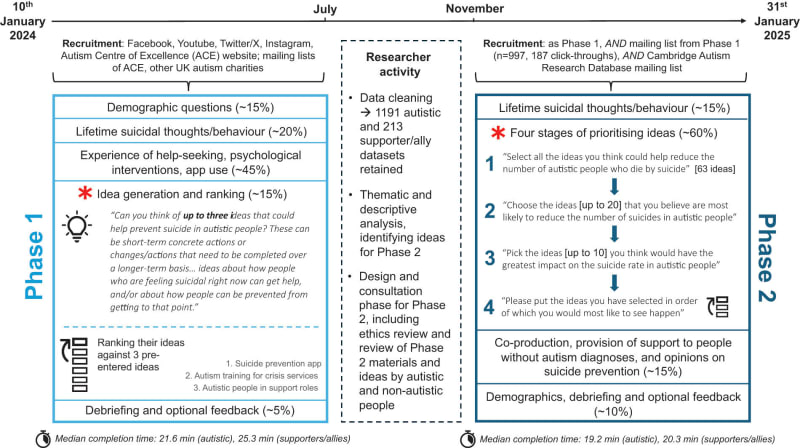
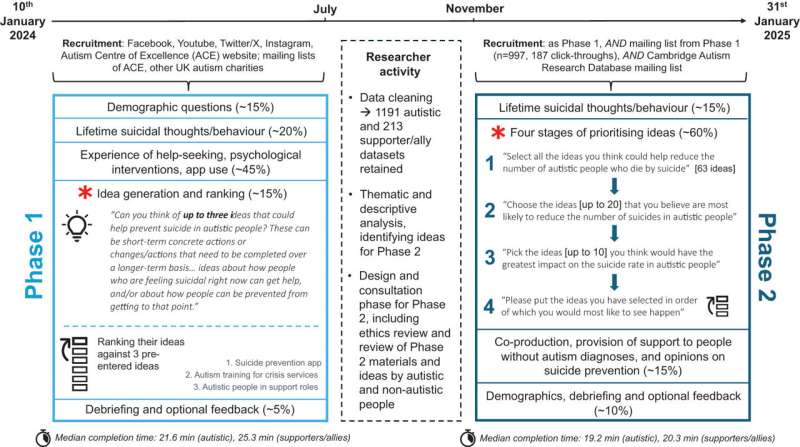
Bournemouth University researcher Dr. Rachel Moseley, who is autistic herself, led a comprehensive study asking autistic people with suicidal thoughts and families who lost loved ones to suicide what would have made a difference. Their answers are remarkably clear and actionable.
The statistics reveal an urgent crisis. Autistic people are three times more likely to die by suicide than non-autistic people. Nearly one in four autistic individuals will attempt suicide in their lifetime, compared to just one in 37 non-autistic people.
Dr. Moseley brings personal understanding to this research. "As an autistic person, I have experienced what it means to feel like an NHS 'treatment failure' long before knowing I was autistic," she shared. "I would not be here today if my family had not saved my life many times."
The study participants identified several clear priorities. They want autism diagnostic services transformed so people missed in childhood can get assessed quickly, accurately, and with compassionate follow-up care. They highlighted how delays and dismissive healthcare encounters directly contribute to crisis situations.
Participants also emphasized tackling inequalities autistic people face in education, employment, and healthcare. Better community inclusion emerged as crucial, along with crisis support delivered by people who actually understand autism, not just general mental health training.
Previous research by Dr. Moseley's team identified what they call "cracks in the system" driving higher suicide risk: societal stigma, missed childhood diagnoses, and negative healthcare experiences. This new study transforms those findings into a roadmap for change.
The Ripple Effect
Tom Purser, CEO of partner charity Autism Action, is pushing the government to commit to concrete timelines for a new autism strategy built with autistic voices at the center. "Behind the statistics and research findings are real people enduring preventable trauma and loss," he emphasized.
The research collaboration between Bournemouth University, Cambridge's Autism Research Centre, and Autism Action represents a powerful model of change driven by lived experience rather than assumptions. When 4,000 people share their stories, patterns emerge that no amount of theoretical research could reveal.
Dr. Moseley remains hopeful that bringing together so many real experiences will translate into meaningful improvements. The study gives participants something precious: the knowledge that their painful experiences might prevent others from suffering the same way.
This approach flips traditional research on its head by asking the people most affected what actually helps rather than having experts decide for them.
More Images


Based on reporting by Medical Xpress
This story was written by BrightWire based on verified news reports.
Spread the positivity!
Share this good news with someone who needs it