4,000-Year-Old Water System Found in China Reveals Dynasty
Archaeologists in central China uncovered a sophisticated 4,000-year-old water management network that proves the legendary Xia Dynasty was real and remarkably advanced. The discovery shows ancient engineers built a city-wide system rivaling other great civilizations.
Deep in China's Henan Province, archaeologists just proved that one of history's most debated civilizations was not only real but engineering marvels 4,000 years ago.
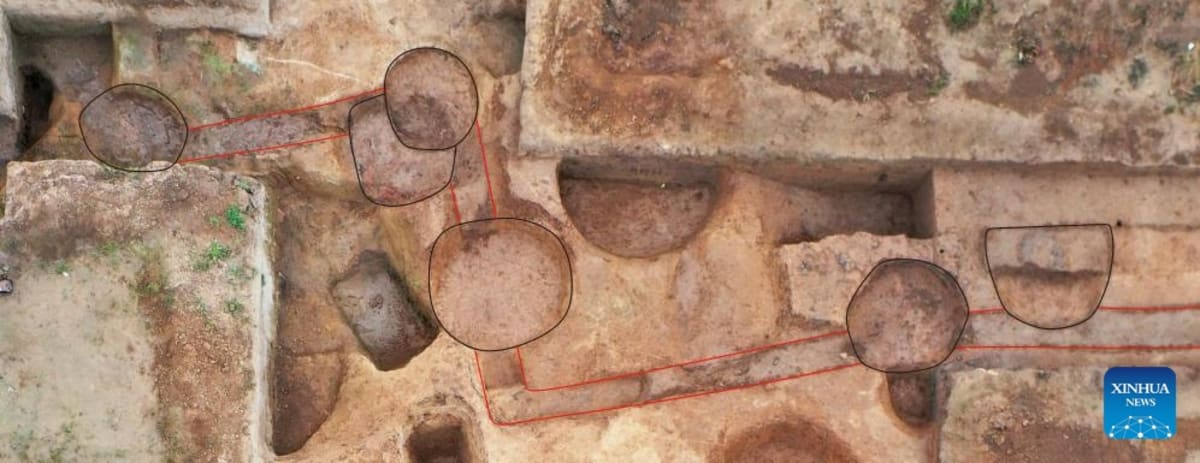
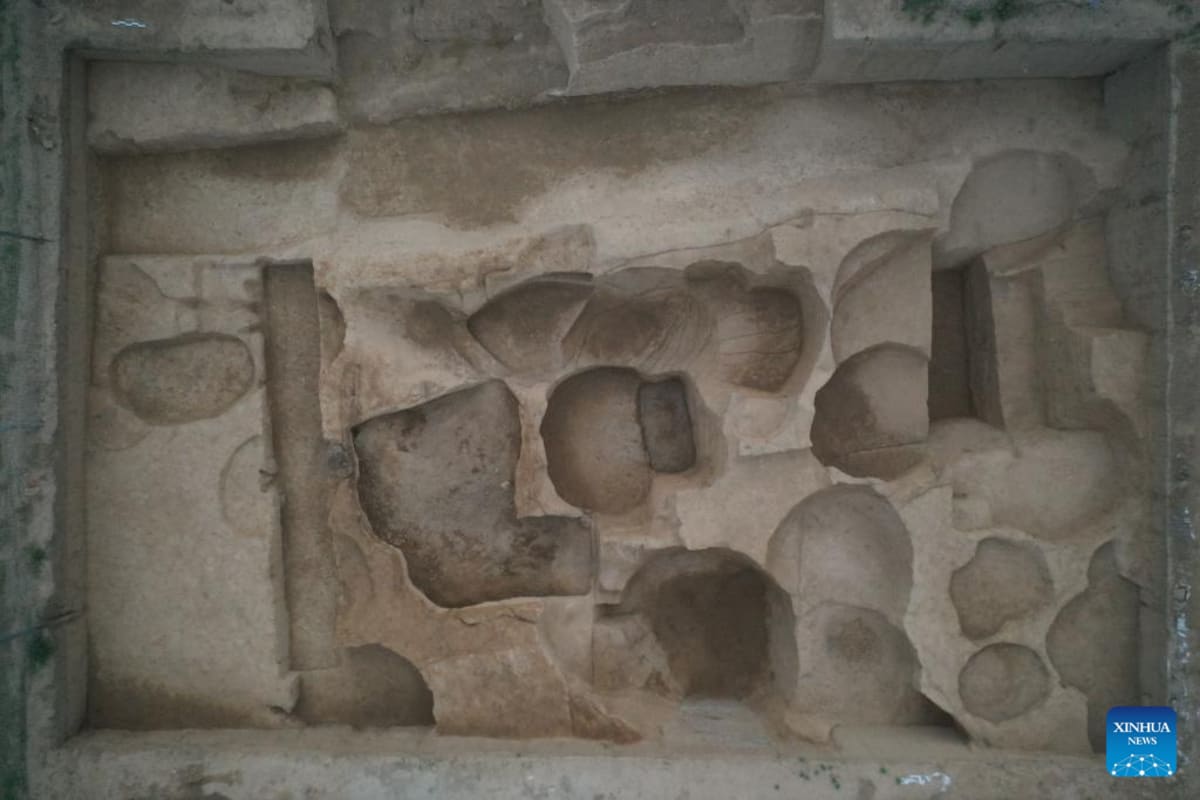
Researchers discovered an intricate water management system at the Wangchenggang Site in Dengfeng that would impress modern city planners. The network includes two massive ditches, each three meters wide and stretching over 120 meters, connected to a 10-meter-wide moat that organized water flow throughout an entire ancient city.
What makes this discovery extraordinary is the precision. Lead archaeologist Ma Long noted the uniform construction required removing thousands of cubic meters of earth with coordinated teams. This wasn't random digging but deliberate urban planning that demanded centralized authority and engineering expertise.
The system gets even more impressive up close. Smaller channels ranging from 0.3 to one meter wide connected directly to homes and kilns, creating efficient drainage for rainwater and wastewater. Ancient residents enjoyed dry, sanitary living conditions because engineers had already figured out layered infrastructure thousands of years before most civilizations.
Yang Wensheng, vice director of the Henan Provincial Institute of Cultural Heritage and Archaeology, emphasized what this means for history. "This discovery demonstrates that even in the Xia Dynasty, there was already a unified organizational capacity," he explained. It's strong evidence of a functioning state-level society when most of the world still lived in scattered villages.
The Xia Dynasty has puzzled historians for generations. Ancient Chinese texts like the Records of the Grand Historian described it as China's first dynasty, but skeptics questioned whether it actually existed or was just mythology. Discoveries like this water system are bridging the gap between legend and archaeological fact.
Why This Inspires
This discovery reminds us that human ingenuity has always found ways to solve complex problems. While we celebrate modern innovations, ancient engineers were tackling city-scale challenges with remarkable sophistication. The Wangchenggang system shows that 4,000 years ago, people were already thinking about community welfare, public health, and organized society.
The broader implications extend beyond China. This water network puts the Xia Dynasty alongside Mesopotamia and Egypt as one of civilization's earliest independent centers of innovation. While other ancient societies developed irrigation along the Tigris and Nile, Chinese engineers were solving identical challenges along the Yellow River using their own ingenuity.
Archaeologists continue excavating the site, hoping to uncover more structures and possibly written records. Each shovelful of earth reveals more about daily life in one of history's earliest organized societies.
The discovery transforms the Xia Dynasty from historical question mark into archaeological reality, proving that advanced civilization emerged independently across the world through human determination and brilliant problem-solving.
More Images
Based on reporting by Google: archaeological discovery
This story was written by BrightWire based on verified news reports.
Spread the positivity!
Share this good news with someone who needs it