43 Medieval Helmets Rewrite Mediterranean Trade History
A treasure trove of ancient helmets mistaken for Roman relics for 30 years turned out to be something even more fascinating. New research reveals they're actually medieval military cargo that unlocks secrets of a vast Mediterranean trade network.
For three decades, historians thought they knew the story of 43 iron helmets pulled from Spanish waters. They were completely wrong, and the truth is far more exciting.
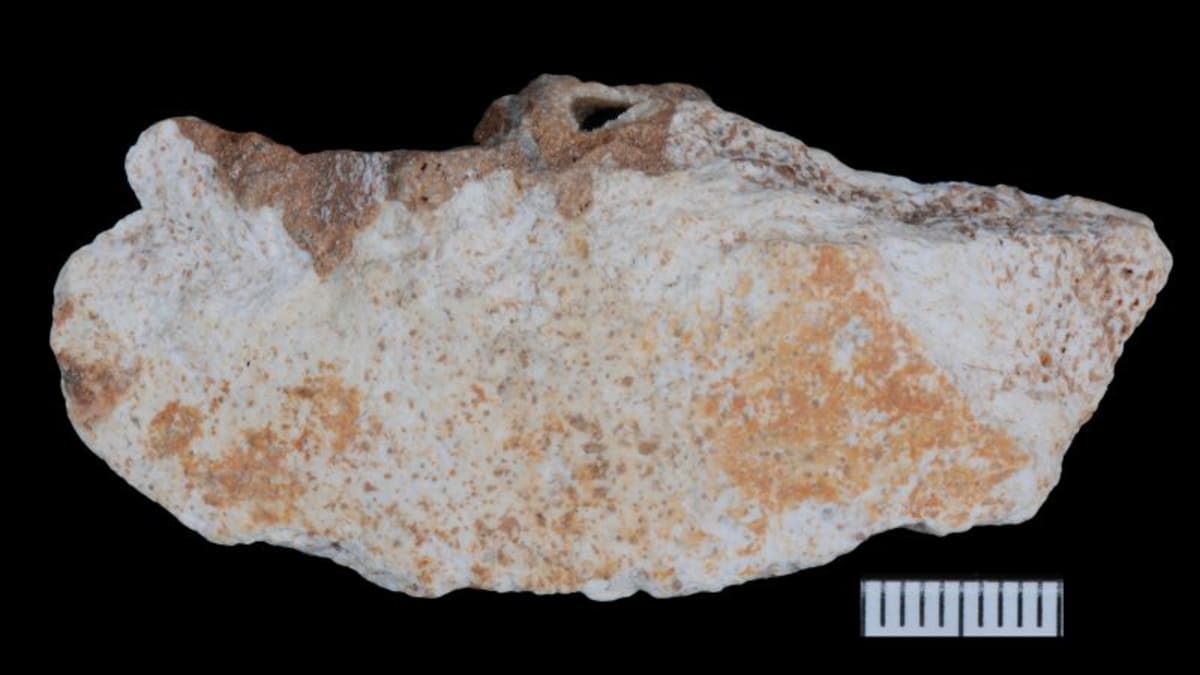
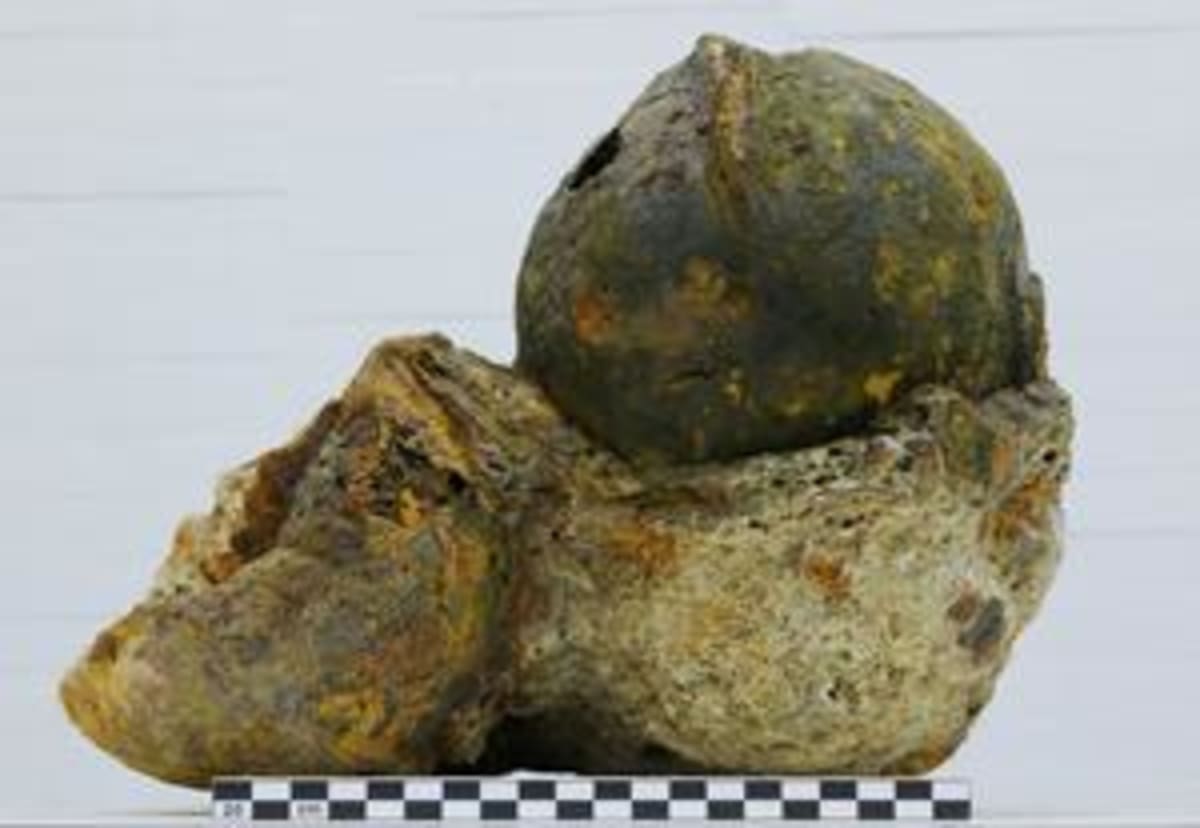
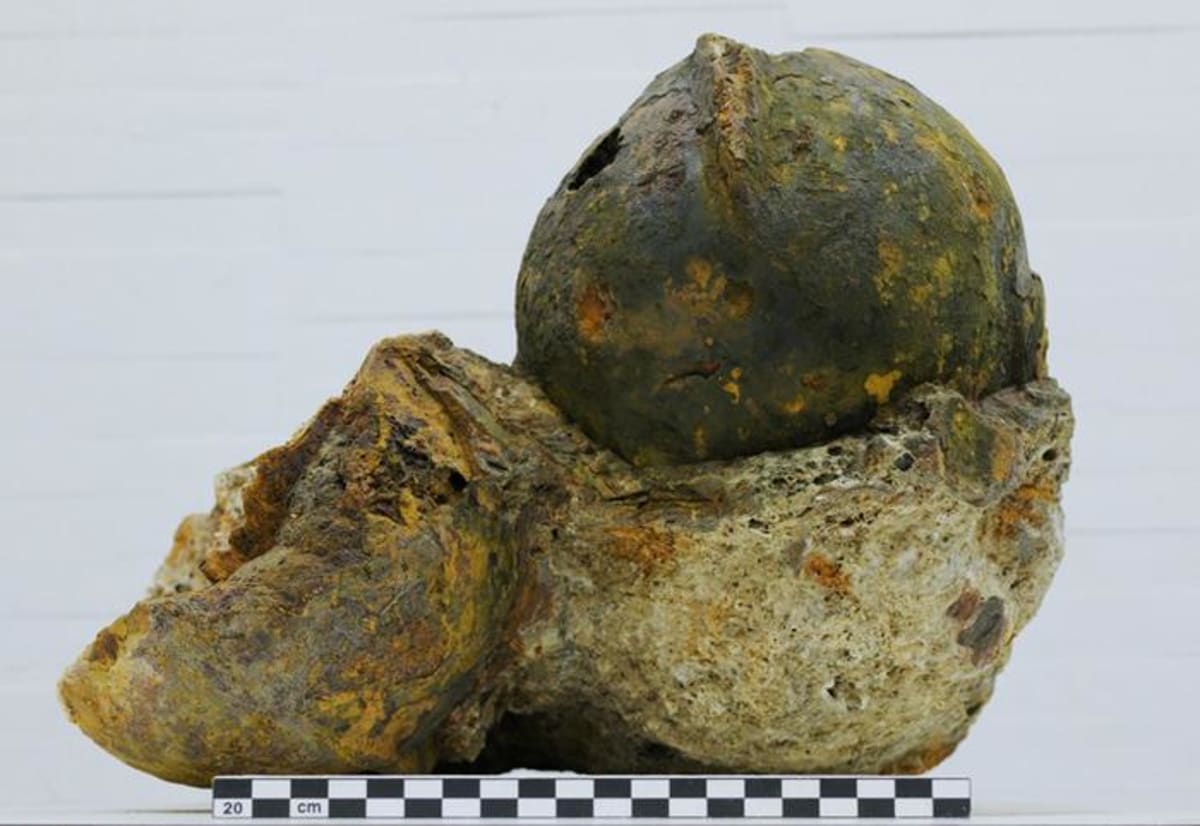
Researchers at the University of Alicante just solved a mystery that began in 1990 when fishermen accidentally snagged two massive metal blocks in their nets off the coast of Benicarló. Inside the corroded lumps were 43 iron helmets that everyone assumed were Roman artifacts.
New scientific analysis reveals the helmets were actually crafted between the late 14th and early 15th centuries. That makes this the largest collection of medieval helmets ever found in the western Mediterranean.
Manuel Frallicciardi, a doctoral student who led the study published in the journal Antiquity, used innovative techniques never before applied to medieval weaponry. When he combined that analysis with radiocarbon dating of textile fragments preserved inside the helmets, the Roman theory fell apart completely.
"At the beginning, it was difficult to place them in a specific era because they featured traits that recalled both Late Roman models and potential medieval pieces," Frallicciardi explained. The surprise came when he discovered these helmets matched almost no known category, representing a technological transition that left few traces in history.
The discovery tells a much bigger story than just correcting the historical record. These 43 helmets represent direct evidence of massive arms trading between the Valencia Region and major commercial hubs like Genoa, one of the era's dominant mercantile powers.
"We are looking at direct evidence of large-scale arms trading," said Raimon Graells, a lecturer at the University of Alicante who co-authored the study. "This discovery reveals a network of exchange and communication that was far more complex than previously thought."
The helmets likely sank during loading or unloading operations in just six meters of water near an area used as a jetty. A stroke of luck buried them under sand where they couldn't be recovered at the time, preserving them for centuries in protective marine concretions.
Some helmets still contained fabric linings sealed by sediment, creating stable environments that protected organic materials that normally decay underwater. These preserved textiles became crucial clues in reconstructing the cargo's history.
Why This Inspires
This discovery shows how much we still have to learn about our shared past. Advanced scientific methods are helping us rewrite history books and uncover forgotten connections between distant places and peoples.
The helmets arrived during turbulent times when Islamic piracy threatened the Valencian coast and local militias desperately needed defensive equipment. They may have been destined for troops of the Kingdom of Valencia or armed companies protecting the maritime frontier.
One accidental fishing catch just revealed an entire hidden chapter of Mediterranean history waiting beneath the waves.
More Images
Based on reporting by Google: archaeological discovery
This story was written by BrightWire based on verified news reports.
Spread the positivity!
Share this good news with someone who needs it