450-Million-Year-Old Fossil Reveals Ancient Ocean Secrets
Scientists found preserved soft tissue in a fossil older than the dinosaurs, offering a rare glimpse into how Earth's earliest ocean animals lived. The discovery sat unnoticed in a museum collection for years before experts recognized its importance.
Scientists just unlocked secrets from an animal that lived on the ocean floor before forests even existed on land.
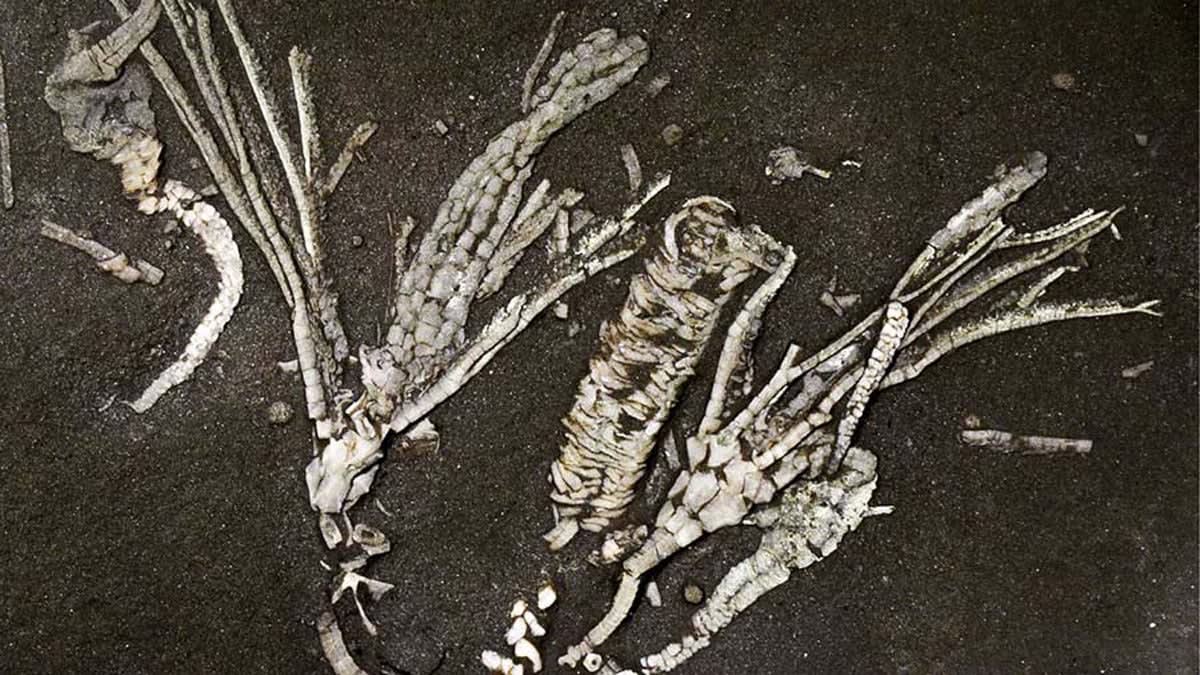
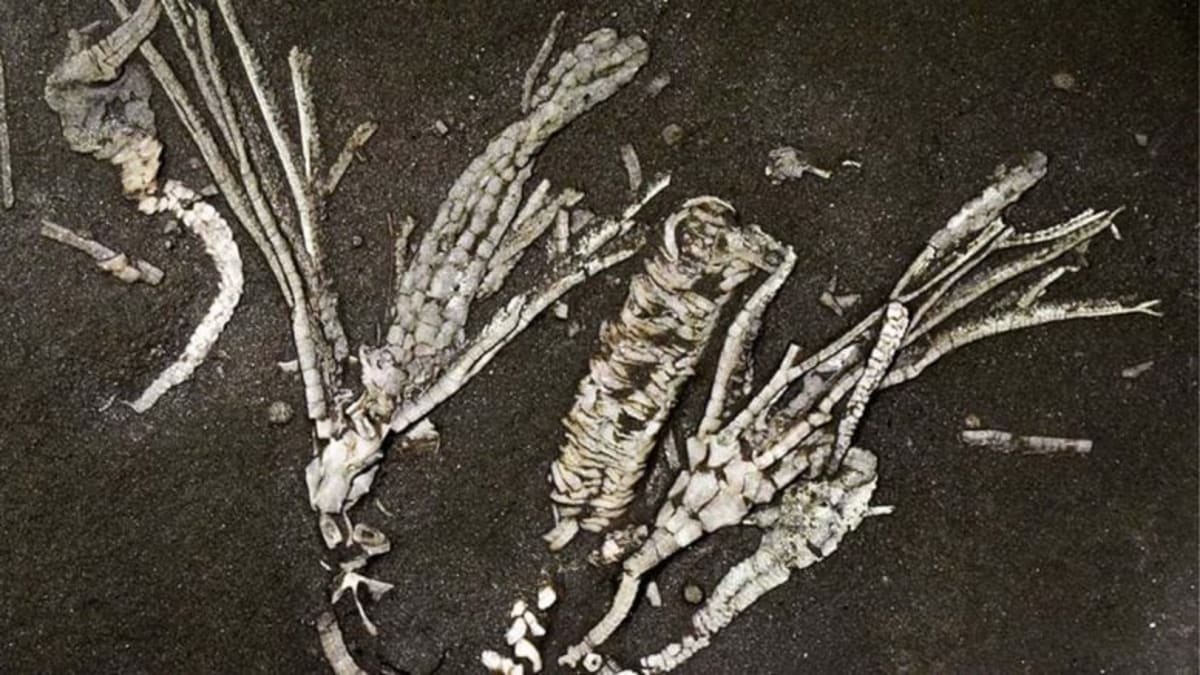
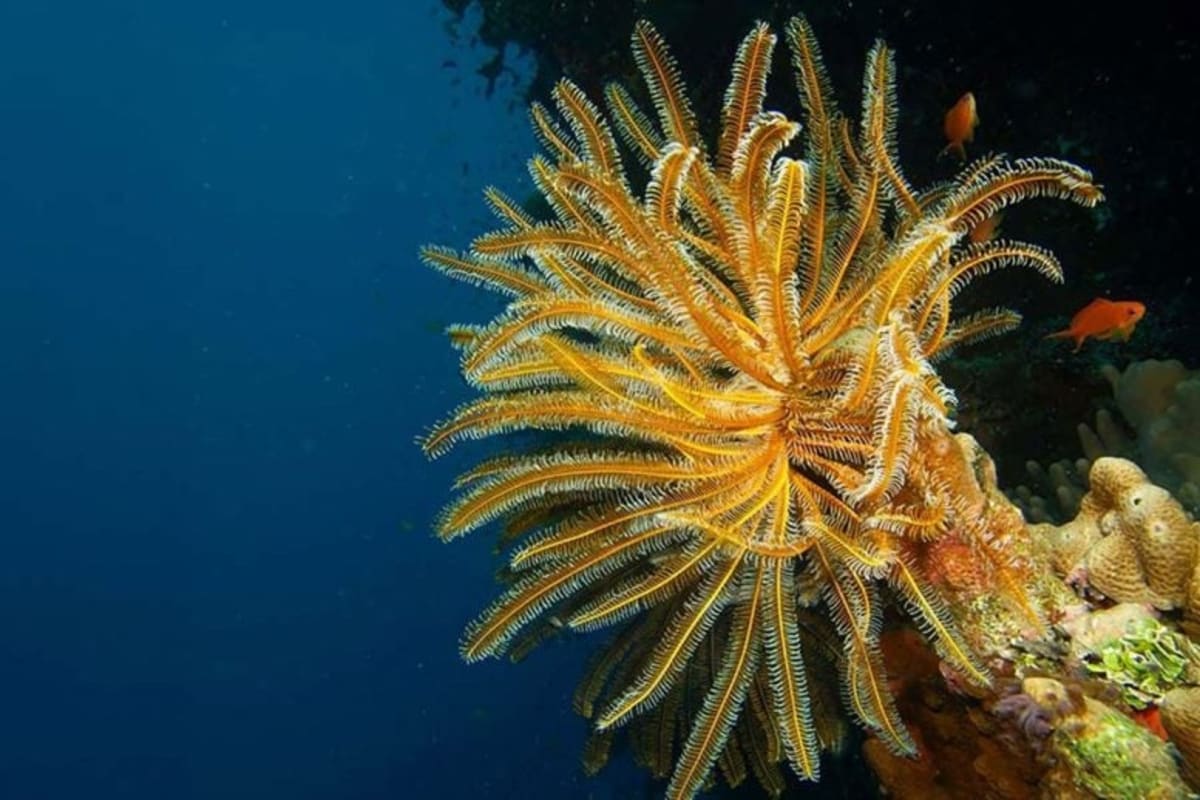
Researchers at the University of Oklahoma discovered fossilized tube feet in a 450-million-year-old crinoid, a flower-like relative of starfish that once dominated ancient reef ecosystems. It's only the second time soft tissue has ever been found in these creatures, despite millions of crinoid fossils existing worldwide.
"Preservation like this is truly one in a million," said Dr. Lena Cole, a paleontologist at the Sam Noble Oklahoma Museum of Natural History. To put the age in perspective, this soft tissue survived more than 200 million years longer than the oldest dinosaur bones.
Soft tissue almost never fossilizes because skin, organs, and delicate structures decay within days of death. For this fossil to form, everything had to align perfectly: oxygen levels, sediment chemistry, burial speed, and even bacteria activity all worked together like a natural time capsule.
The preserved tube feet reveal how these ancient animals fed and survived. Modern crinoids use these tiny structures along their arms to trap food particles from ocean currents, but the fossil shows a notably different arrangement. That means early ocean reef dwellers may have lived and fed in ways that no longer exist today.
"Since crinoid tube feet are used for feeding, you can think of them in a similar way to how we think about teeth in mammals," explained Dr. David Wright, who co-authored the study. "Differences in their structure tell us about what kinds of environments a species lived in and how it fed."
Why This Inspires
This breakthrough almost didn't happen. The fossil wasn't freshly dug from the ground but had been sitting in storage at a small community-funded museum in Montréal. Its significance only became clear when Cole and Wright, both crinoid specialists, examined it during a research visit and recognized what others had missed.
The discovery reminds us that scientific treasures often hide in plain sight, waiting for the right eyes to see them. Museum collections around the world hold countless specimens whose full stories haven't been told yet, and each one could reshape our understanding of life on Earth.
This tiny fossil is helping scientists reconstruct how some of our planet's first reef ecosystems worked, revealing a world far stranger and more diverse than modern oceans can show us.
More Images
Based on reporting by Google: fossil discovery
This story was written by BrightWire based on verified news reports.
Spread the positivity!
Share this good news with someone who needs it