4,500-Year-Old Neolithic Hall Opens Near Stonehenge
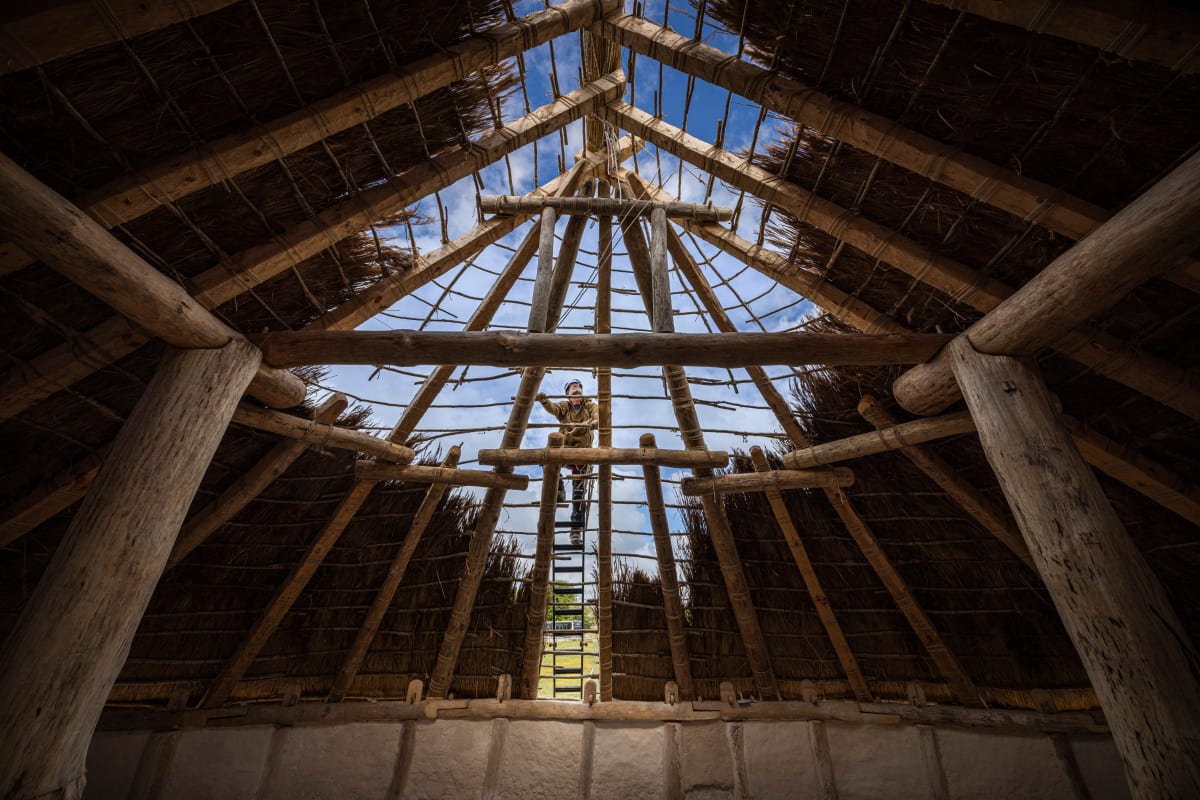
Volunteers have recreated a massive prehistoric building near Stonehenge using ancient techniques, offering visitors a chance to step back 4,500 years into Neolithic life. The seven-meter-tall hall opens this summer and will become an educational hub for schoolchildren this fall.
Imagine walking into a building designed the same way people built 4,500 years ago, with a crackling hearth and the same tools our ancient ancestors used. That dream just became reality near Stonehenge.
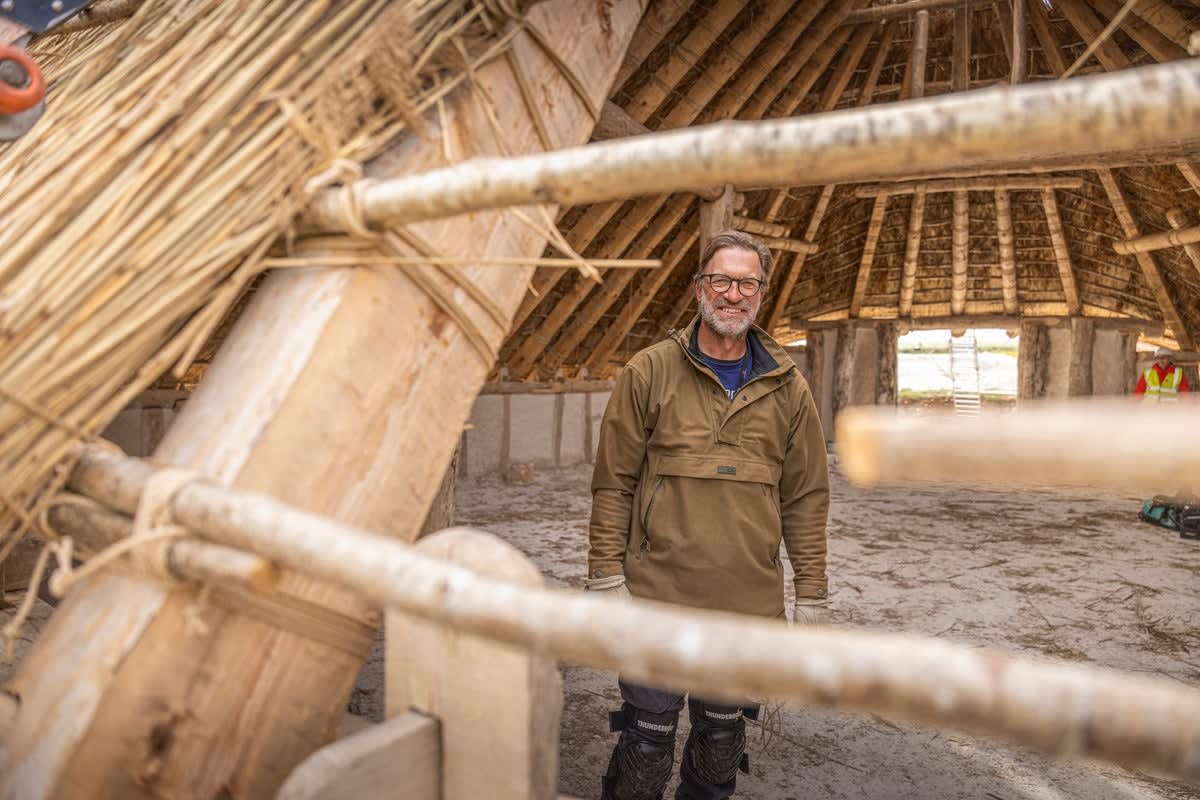
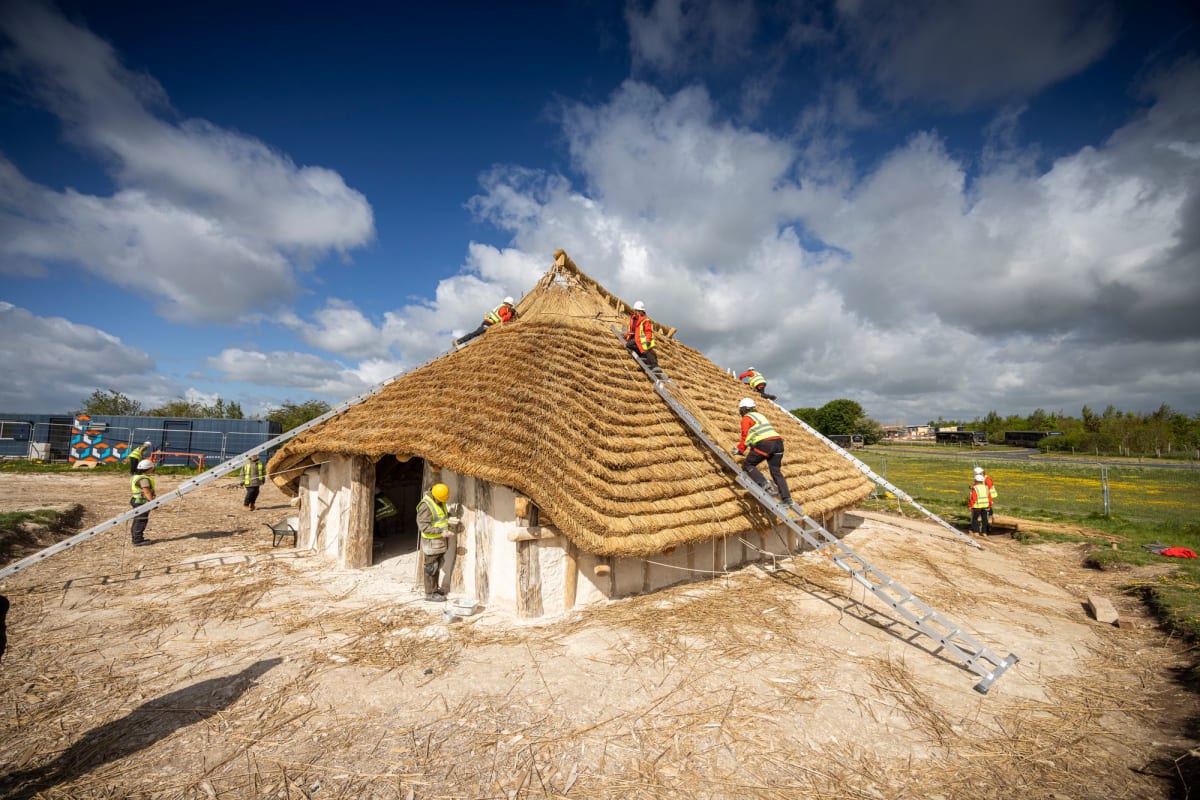
The Kusuma Neolithic Hall now stands seven meters tall, just two miles from the famous stone circle. English Heritage volunteers spent months building it using only historically authentic methods and locally sourced materials, exactly as Neolithic people would have done.
The £1 million project, funded by the Kusuma Trust, recreates a substantial prehistoric structure discovered near Durrington Walls, an ancient settlement. Archaeologists found thousands of animal bones and vast quantities of pottery at the site, pointing to massive winter feasts and gatherings.
The original building likely hosted celebrations, rituals, or burial practices. Today's recreation captures that communal spirit with burning hearths, Neolithic crafts, and ancient cooking methods.
Starting this summer, visitors to Stonehenge can explore the hall and meet the volunteers who built it. From autumn onward, schoolchildren will use it as a hands-on classroom to understand daily life four and a half millennia ago.
The Ripple Effect
Building the hall taught volunteers and researchers far more than reading textbooks ever could. Working with authentic techniques gave English Heritage a deeper understanding of how Neolithic people lived, worked, and gathered.
Matt Thompson from English Heritage says the project transforms their ability to provide memorable learning experiences. The hall instantly transports visitors back in time, making ancient history tangible and real.
For students, touching the same materials and standing in the same type of space as their distant ancestors creates connections no classroom lecture can match. They'll learn how people built shelter, prepared food, and came together as communities long before modern civilization.
The project shows how understanding our past can inspire our present, connecting us to the ingenious people who shaped human history.
More Images
Based on reporting by Independent UK - Good News
This story was written by BrightWire based on verified news reports.
Spread the positivity!
Share this good news with someone who needs it