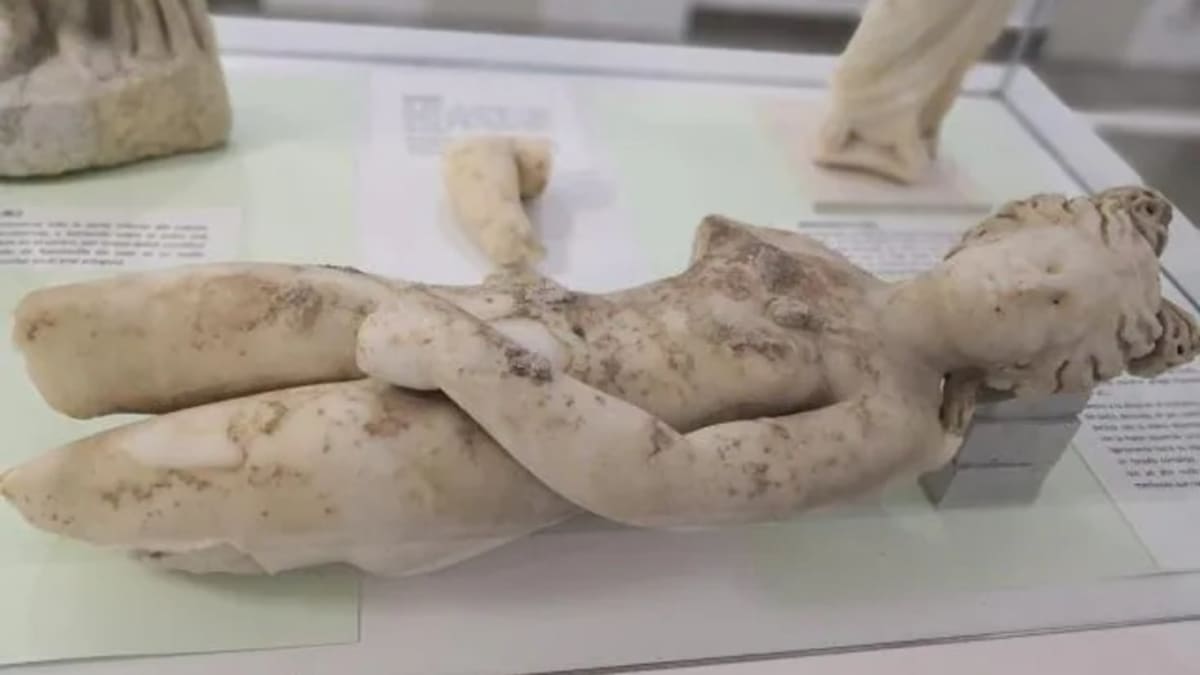
Ancient Venus Statue Survived 1,500 Years as a Doorstep
A priceless Roman statue of Venus survived centuries because later occupants accidentally preserved it by using the marble goddess as a stepping stone. The 2nd-century sculpture was discovered in 2018 at Spain's Roman Villa of Salar, one of the country's most spectacular archaeological sites.
A stunning marble statue of Venus the goddess stayed hidden for more than a millennium because someone decided it made a good doorstep.
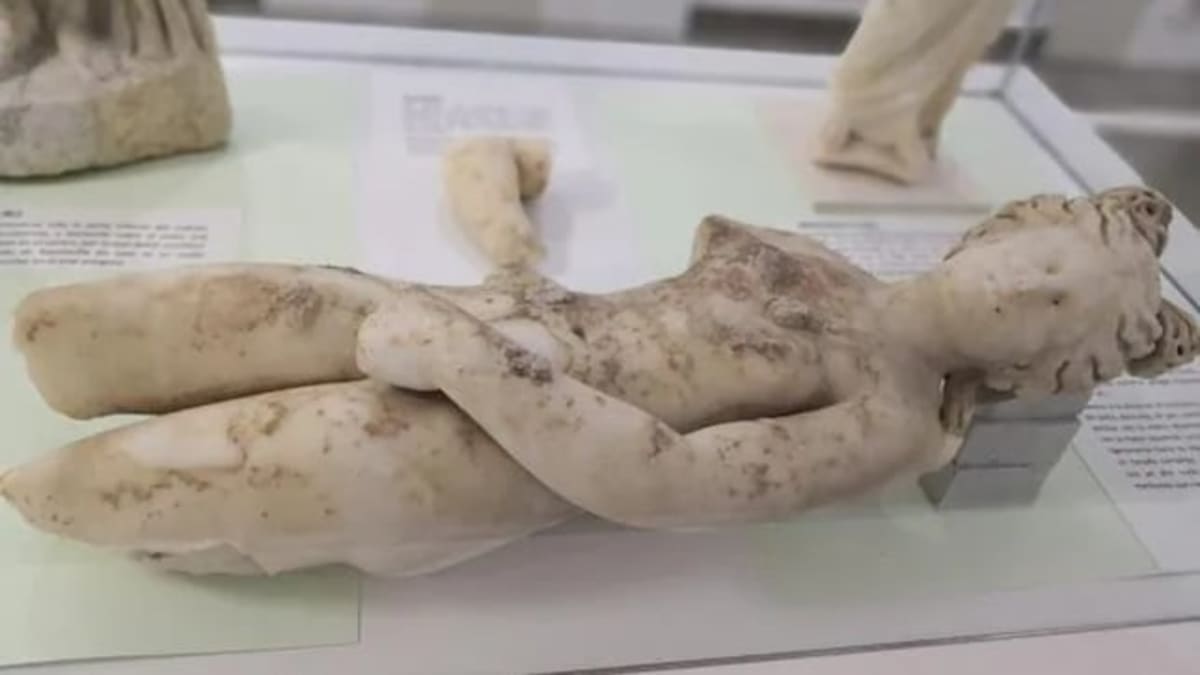
The Venus Pudica sculpture was carved from precious Pentelic marble in the 2nd century A.D. and stood in a luxurious Roman villa in what is now Salar, Granada. When the villa's original wealthy owners abandoned the estate around 500 A.D., later residents repurposed the 18.5-inch statue as a step in one of the walkways.
That humble second life saved the goddess from destruction when fire consumed the villa in the early 6th century.
The Roman Villa of Salar almost met a different fate entirely in 2004. Construction crews were building a wastewater treatment plant when they stumbled upon the site and nearly destroyed it. Fortunately, archaeologists intervened and began excavations in 2006.
The villa turned out to be one of Spain's most important Roman sites. Built during Emperor Tiberius's reign in the 1st century A.D., the estate underwent major renovations in the 4th century and became a showcase of Roman luxury in eastern Baetica, a region famous for olive oil, wine, and wheat production.
Researchers from the University of Granada uncovered the residence of the dominus, or estate owner, complete with a central courtyard, formal dining room, and elaborate chambers. The estate's mosaic collection alone makes it one of the most significant Roman villas in ancient Hispania.
But the real treasure emerged in 2018 when archaeologists discovered the Venus statue. The sculpture follows the design of Praxiteles' famous Venus de Cnido from 360 B.C., showing the goddess emerging from her bath with an elaborate hairstyle. It represents one of the most valuable pieces in Spain's archaeological heritage.
The Bright Side
The irony couldn't be sweeter. What might have seemed like disrespect to ancient art actually became the Venus statue's salvation. While fire destroyed much of the villa, the marble goddess survived under the footsteps of everyday people going about their lives.
The statue now rests at the Archaeological Museum of Granada after recent restoration work, though officials from Salar have requested its return home. Two companion nymph statues discovered at the site also survived and share space with Venus in the museum.
The villa itself remains partially excavated. Archaeologists have explored only about 10 percent of the entire complex, meaning more treasures likely wait beneath the Spanish soil where they've rested for nearly two thousand years.
More Images

Based on reporting by Google: archaeological discovery
This story was written by BrightWire based on verified news reports.
Spread the positivity!
Share this good news with someone who needs it