47 Million Galaxies Mapped in Largest 3D Universe Portrait
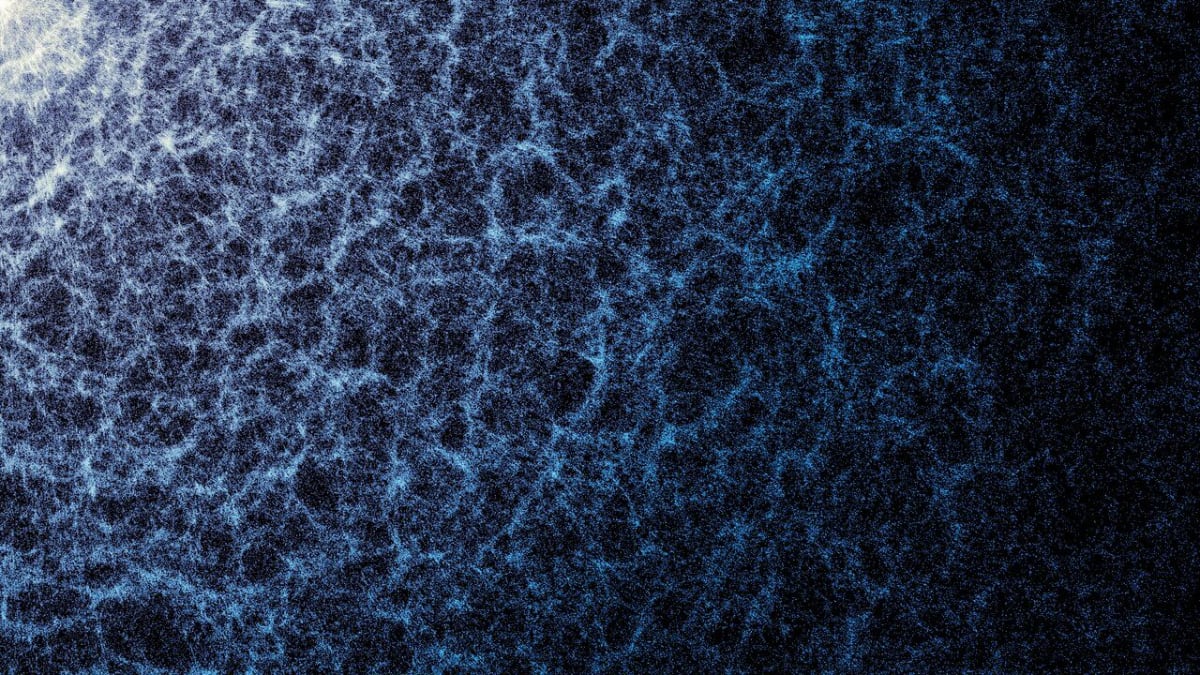
Scientists just unveiled the most detailed 3D map of the universe ever created, capturing 47 million galaxies stretching back 11 billion years. The stunning cosmic web could help solve one of physics' biggest mysteries.
A telescope in Arizona just finished painting the most ambitious portrait of our universe ever attempted, and it's nothing short of breathtaking.
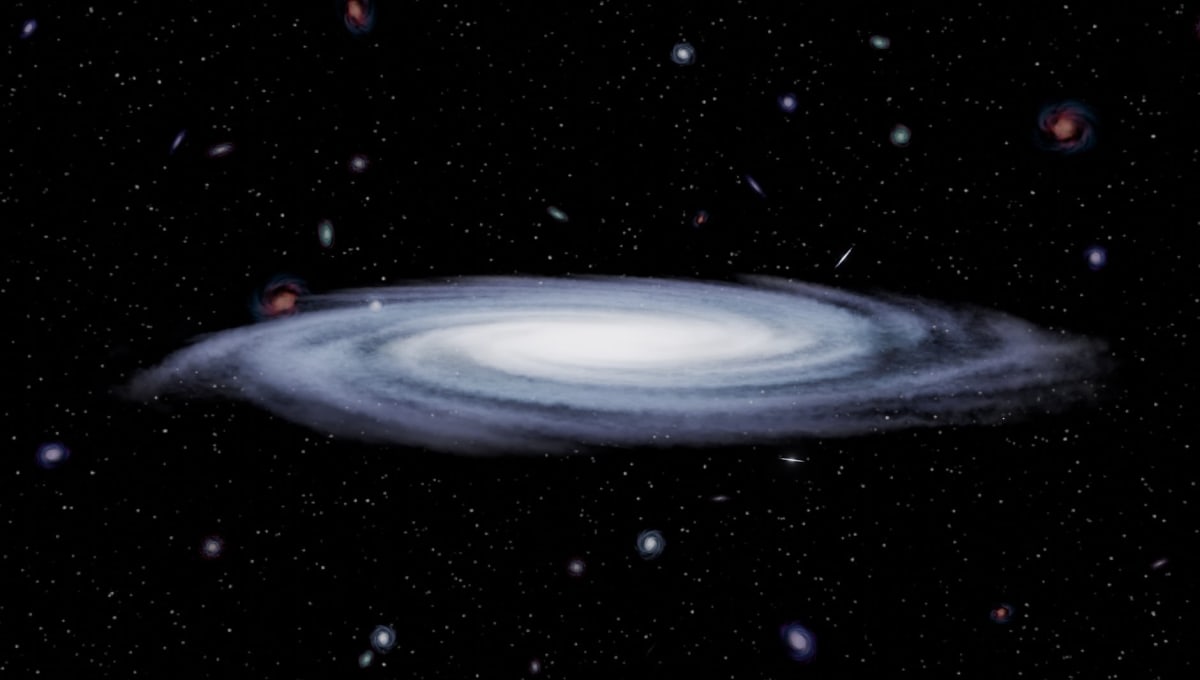
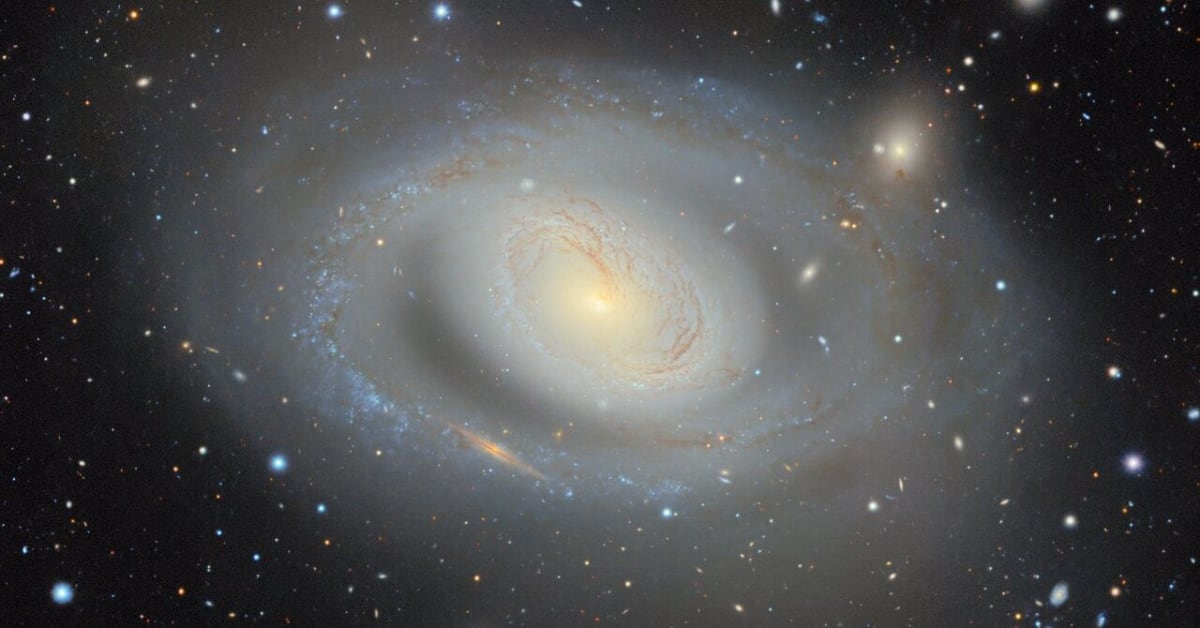
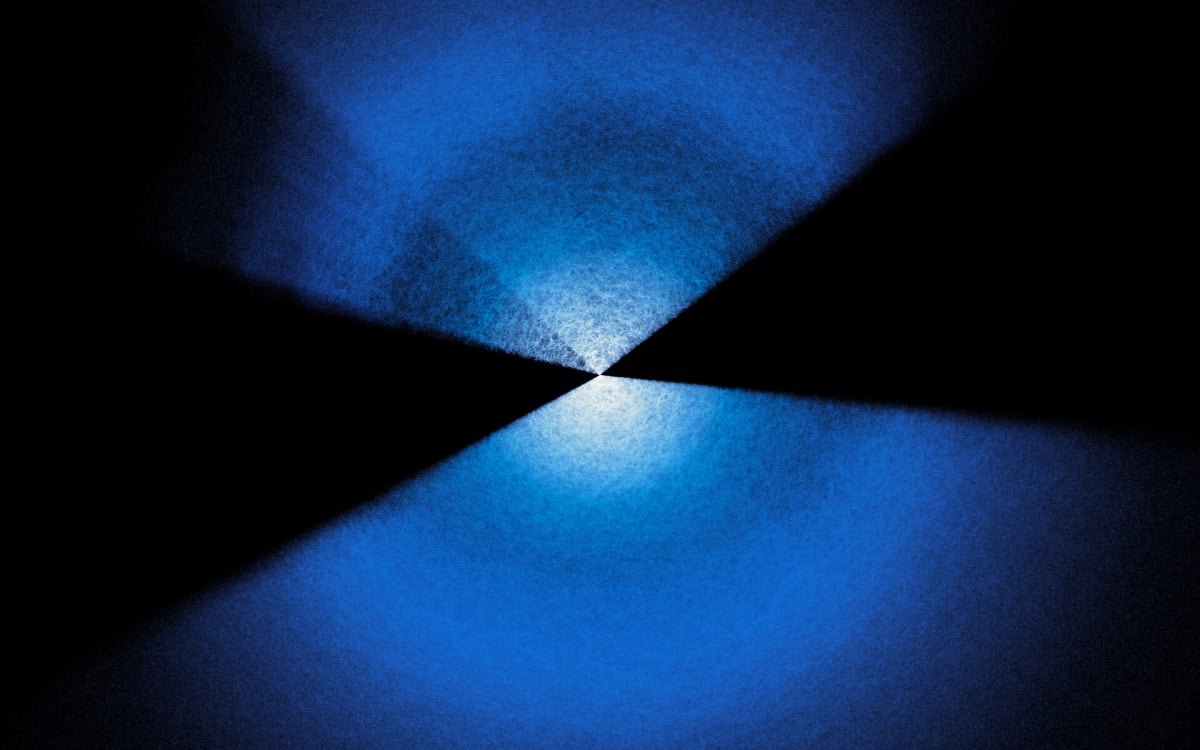
The Dark Energy Spectroscopic Instrument (DESI) spent five years creating a 3D map of 47 million galaxies, far exceeding its original goal of 34 million. Mounted on the Mayall Telescope at Kitt Peak National Observatory, DESI uses 5,000 robotic sensors working in perfect harmony to capture light from the cosmos.
The resulting image reveals something extraordinary: galaxies aren't scattered randomly across space. Instead, they form a cosmic web of glowing filaments and clusters, separated by vast empty voids where almost nothing exists.
Some of the light in this map traveled for billions of years before reaching Earth, effectively creating a time machine. Scientists can now watch how the universe has evolved and changed over the past 11 billion years, seeing back to what astronomers call "cosmic noon," when galaxies were forming at their fastest rate.
The Ripple Effect
This isn't just a pretty picture. The map is already helping researchers tackle dark energy, the mysterious force pushing our universe to expand faster and faster. Making up roughly 70% of everything that exists, dark energy remains one of physics' greatest puzzles.
By tracking how galaxies have clustered and moved over billions of years, scientists can see dark energy's fingerprints on the structure of space itself. Early findings suggest something surprising: dark energy might not be constant. It may have changed over cosmic history, a discovery that would completely reshape our understanding of the universe's fate.
More than 900 researchers from over 70 institutions collaborated on this massive undertaking, led by Lawrence Berkeley National Laboratory. Their teamwork turned raw data into profound insights about our cosmic home.
DESI will keep observing through 2028, expanding the map by another 20%. The telescope will target even fainter, more distant galaxies and explore harder-to-see regions near our own Milky Way.
This magnificent map reminds us that even in our vast, ancient universe, humans can still make sense of the cosmos one galaxy at a time.
More Images
Based on reporting by Live Science
This story was written by BrightWire based on verified news reports.
Spread the positivity!
Share this good news with someone who needs it