5 Amazon Nations Unite to Save Migratory Catfish
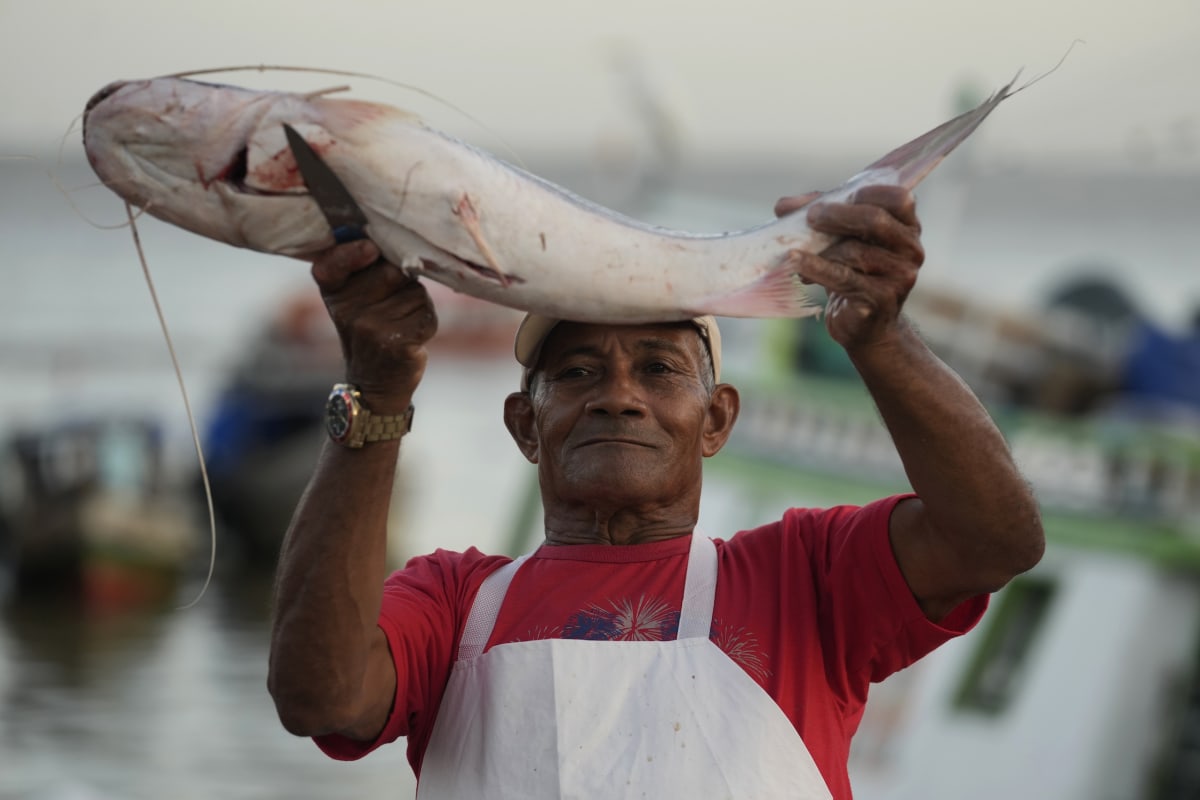
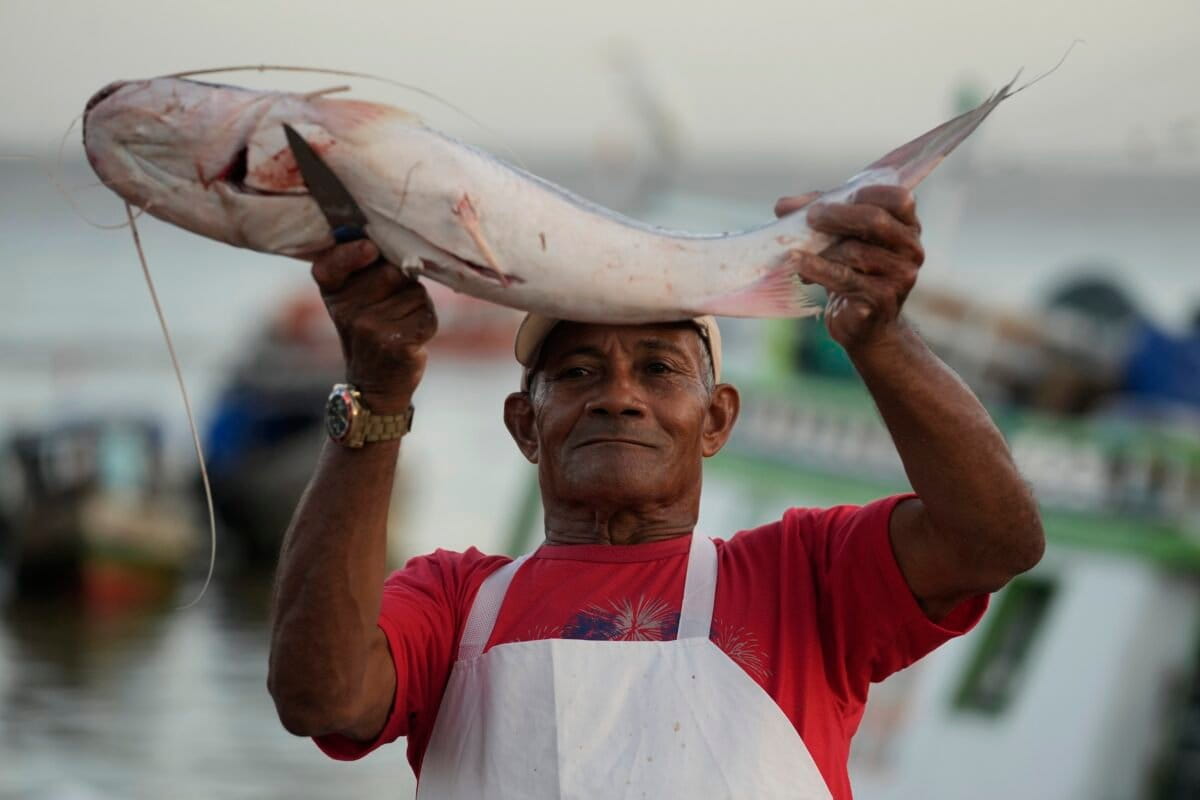
Five South American countries just launched the first international conservation plan to protect two iconic Amazon catfish that swim up to 7,500 miles in their lifetimes. The gilded catfish and Laulao catfish have lost 90% of their populations since the 1970s, but new protections offer real hope.
Five countries are joining forces to save two remarkable Amazon catfish whose populations have plummeted 90% in five decades.
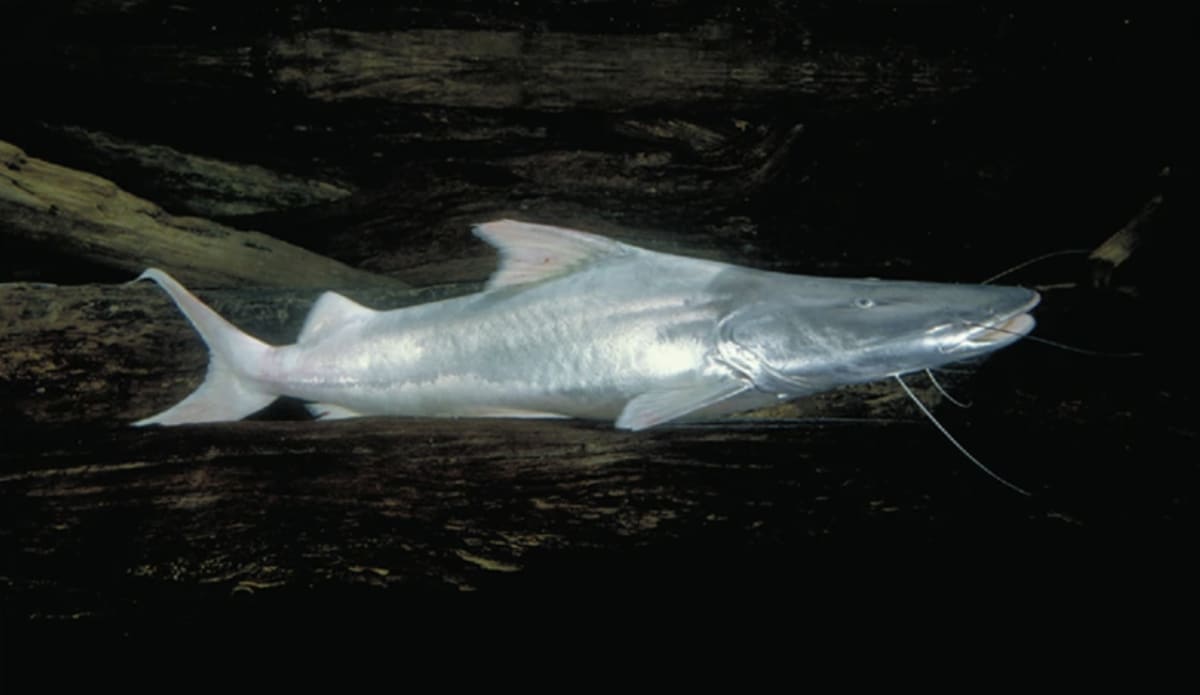
The gilded catfish and Laulao catfish undertake some of the longest river migrations on Earth, traveling up to 7,500 miles over their lifetimes. These fish spawn in the Andean foothills, and their larvae drift downstream all the way to the mouth of the Amazon River, where they grow into juveniles before making the epic journey back upstream to spawn again.
But dams and river disruptions have been cutting off their ancient migration routes. Now, Brazil, Peru, Bolivia, Colombia, and Ecuador have committed to an inaugural conservation plan that coordinates protections across borders.
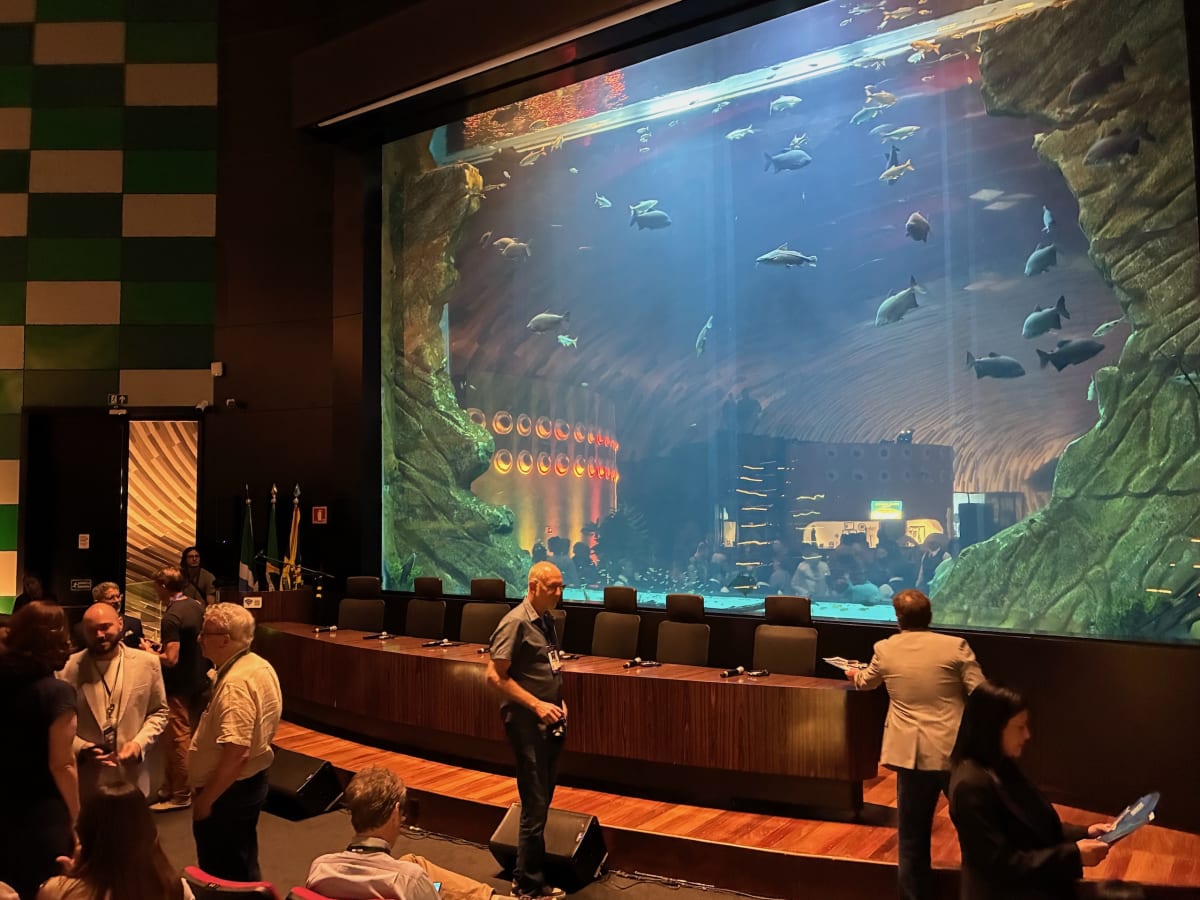
The breakthrough came at the United Nations Convention on Migratory Species conference in Brazil, where experts presented the first comprehensive study of global migratory fish in over a decade. The new report covered 15,000 fish species, revealing that nearly all 349 migratory species are threatened.
The meeting added 325 fish species to international protection lists, requiring all signatory countries to adopt conservation measures. This includes both Amazon catfish, which are vital food sources for millions of people across South America.
The Ripple Effect
This coordinated approach marks a turning point for freshwater conservation. Unlike land animals, migratory fish cross multiple countries during their life cycles, making single-nation efforts ineffective.
South America's relatively intact river systems give conservationists a fighting chance. National Geographic explorer Zeb Hogan, who led the global fish report, called the region ideal for "immediate action" because many Amazon basin connections remain preserved.
The gilded catfish became a conservation icon after scientists discovered in 2017 that it completes the world's longest freshwater migration, traveling even farther than salmon. This discovery highlighted just how much connected habitat these species need to survive.
Protecting these catfish means protecting entire river systems that support countless other species and human communities. The five-nation plan focuses on maintaining river connectivity, the key to survival for these ancient travelers.
With 132 countries now signed onto the migratory species treaty, this Amazon partnership could become a model for protecting migratory fish worldwide.
More Images

Based on reporting by Mongabay
This story was written by BrightWire based on verified news reports.
Spread the positivity!
Share this good news with someone who needs it