5-Year Cheetah Partnership Returns Species to Africa
A major new funding partnership just secured the future of Africa's struggling cheetah populations. The five-year deal will expand science-based conservation that's already brought cheetahs back to places they vanished from decades ago.
After 40 years without a single cheetah, the Kingdom of Eswatini just welcomed the big cats home again, and a groundbreaking partnership announced this week promises more wins like it.
The Origins Foundation revealed a five-year strategic partnership with The Metapopulation Initiative (TMI), Africa's leading cheetah conservation organization. The deal provides long-term funding stability to expand the science-based programs that have already achieved remarkable success across Southern Africa.
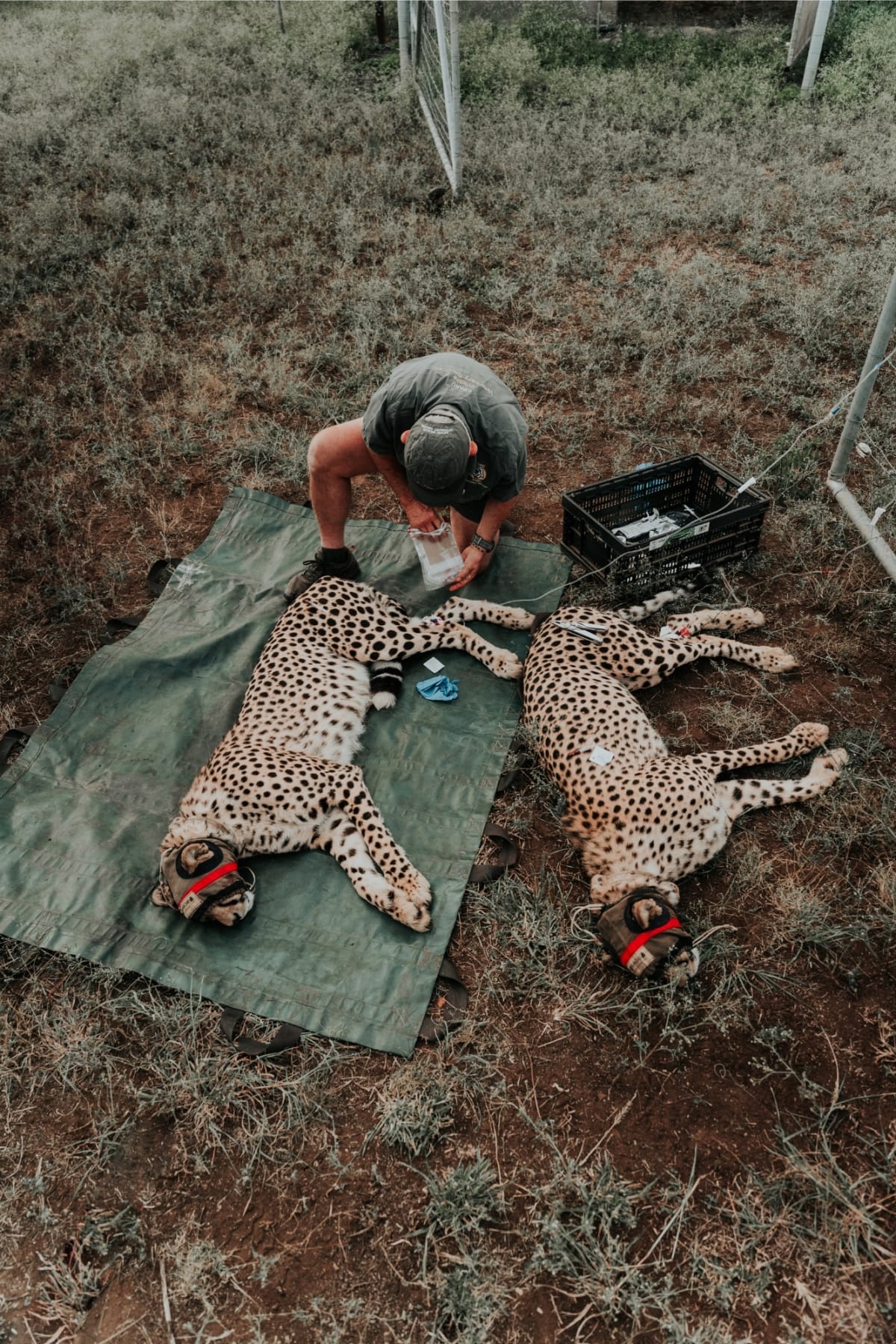
The timing celebrates real momentum. TMI recently completed one of its biggest years ever, successfully moving 16 cheetahs across international borders into Mozambique and orchestrating that historic return to Eswatini after more than four decades of local extinction.
These weren't simple animal moves. Each translocation required coordination between government authorities, reserve managers, veterinarians, conservation groups, and private landowners, all working from careful genetic planning and rigorous science.
That collaborative approach defines TMI's metapopulation management strategy. Instead of viewing cheetahs in isolated pockets, the organization treats fragmented populations as connected groups that can support each other through strategic wildlife movements and breeding plans.
"Conservation success is built over decades, not funding cycles," said Robbie Kroger, founder of The Origins Foundation. His organization chose TMI precisely because their methods have reversed what many considered inevitable decline.
The new partnership will fund expanded wildlife translocations, strengthened veterinary operations, enhanced population management, and broader biodiversity initiatives throughout Africa. It also honors the legacy of the late Vincent van der Merwe, whose pioneering vision transformed how Southern Africa approaches cheetah conservation.
The Ripple Effect
When cheetah populations stabilize and grow, entire ecosystems benefit. Healthy predator numbers indicate balanced prey populations, which signal thriving habitats. TMI's work strengthens not just cheetahs but the interconnected web of species sharing Africa's wild landscapes.
The five-year commitment gives conservationists something rare and precious: time to think beyond immediate crises. With funding secured, teams can plan multi-year initiatives, build deeper partnerships with local communities, and invest in research that pays off gradually.
For countries like Mozambique and Eswatini, returning cheetahs represents more than conservation success. These reintroductions restore national pride in natural heritage, create ecotourism opportunities, and demonstrate that species loss can be reversed when communities commit to science-based solutions.
The partnership proves that conservation victories happen when vision meets resources and patience.
Based on reporting by Google News - Conservation Success
This story was written by BrightWire based on verified news reports.
Spread the positivity!
Share this good news with someone who needs it