5,000-Year-Old Skull Shows Ancient Brain Surgery Worked
A skull discovered in northern Turkey proves that surgeons performed successful brain operations nearly 5,000 years ago, and the patient survived. The find reveals that prehistoric communities possessed medical knowledge far more advanced than historians previously believed.
Imagine undergoing brain surgery without modern tools, anesthesia, or antibiotics, then living to tell the tale. That's exactly what happened to someone in ancient Anatolia nearly 5,000 years ago, according to a stunning archaeological discovery in northern Turkey.
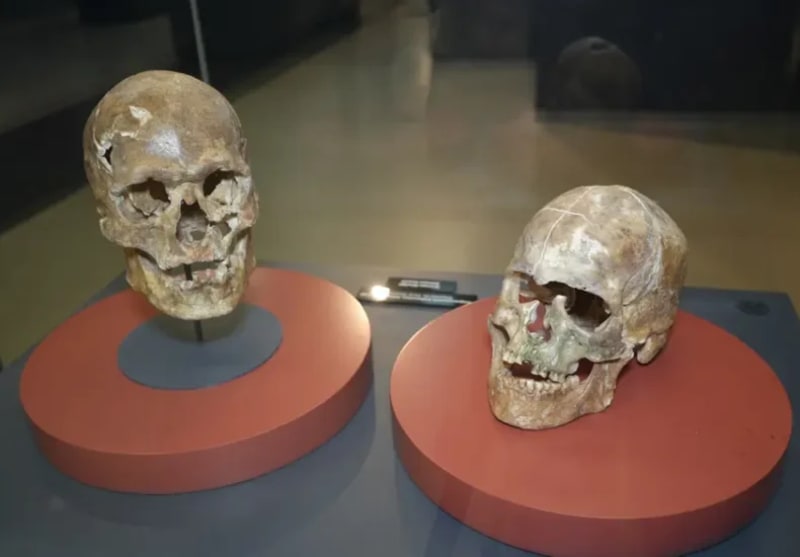
A human skull found at İkiztepe Höyüğü, near the modern city of Samsun, shows clear evidence of intentional cranial surgery. What makes this discovery extraordinary isn't just the surgery itself, but proof that the patient survived for a significant period afterward.
The healed edges around the surgical incision tell the real story. The bone had time to regenerate and repair itself, which means someone knew how to prevent deadly infections and provide effective post-operative care. These ancient surgeons were operating with knowledge gained through careful observation and experience, not guesswork.
İkiztepe Höyüğü has long been one of the most important archaeological sites in the Central Black Sea region. Excavations there have revealed burial goods like spearheads and personal objects, suggesting complex social structures and spiritual beliefs dating back to the Chalcolithic period through the Bronze Age.
This isn't an isolated case of ancient medical skill in the region. Archaeologists have found similar evidence of successful surgeries at Aşıklı Höyük and Çatalhöyük, other ancient Anatolian settlements. These sites suggest that prehistoric communities may have shared medical knowledge through migration and trade networks spanning the region.
Why This Inspires
This discovery challenges everything we thought we knew about prehistoric healthcare. These weren't primitive people stumbling through trial and error. They were skilled practitioners developing medical techniques through careful observation, passing knowledge between generations, and achieving survival rates that speak to genuine understanding of human anatomy.
The skull now rests in the Samsun Museum alongside other treasures that showcase ancient Anatolia's sophistication. The museum houses the Amisos Treasures, stunning gold objects from the 7th to 5th centuries BC, and the rare Amisos Mosaic depicting the four seasons.
Together, these findings paint a picture of Anatolia as an early center for medical innovation. The evidence suggests that long before formal medicine emerged in the ancient world, communities in this region were already saving lives through surgical intervention.
This ancient patient's survival reminds us that human ingenuity and compassion have been healing the sick for thousands of years longer than we ever imagined.
Based on reporting by Google: archaeological discovery
This story was written by BrightWire based on verified news reports.
Spread the positivity!
Share this good news with someone who needs it