Ancient Roman Poop Medicine Confirmed by Turkish Discovery
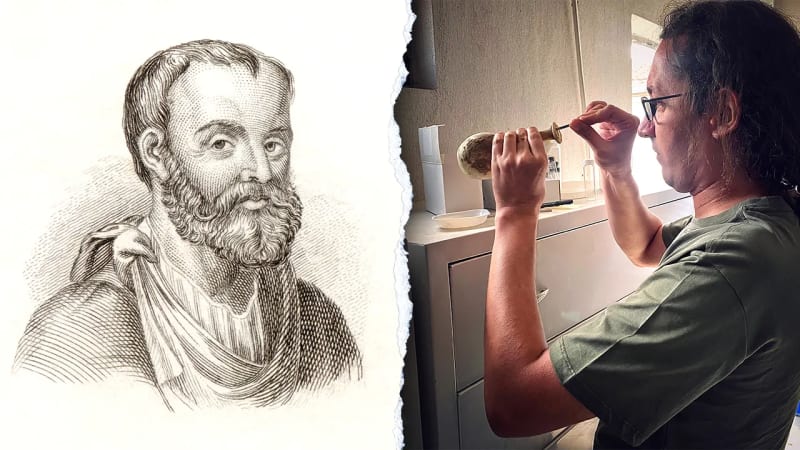
Archaeologists just proved ancient Romans really did use human waste as medicine. A 2,000-year-old glass bottle found in Turkey contained feces mixed with thyme and olive oil, exactly as physician Galen described.
Scientists found definitive proof that ancient Roman doctors prescribed actual human poop as medicine, settling a debate that's lasted centuries.
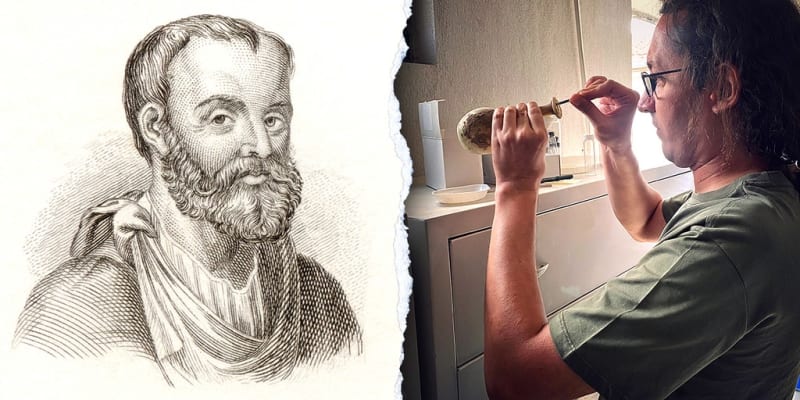
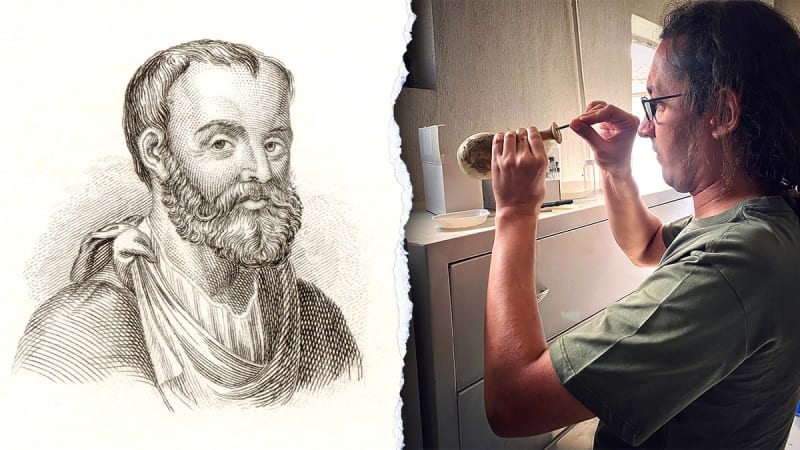
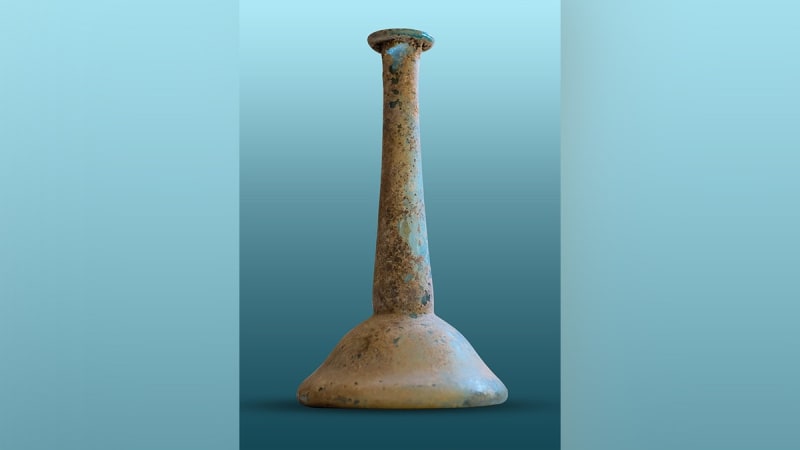
The discovery happened almost by accident. Archaeologist Cenker Atila was studying old glassware in a Turkish museum when he noticed mysterious dark flakes stuck inside a small perfume bottle from ancient Pergamon, a Greek city conquered by Rome in 133 B.C.
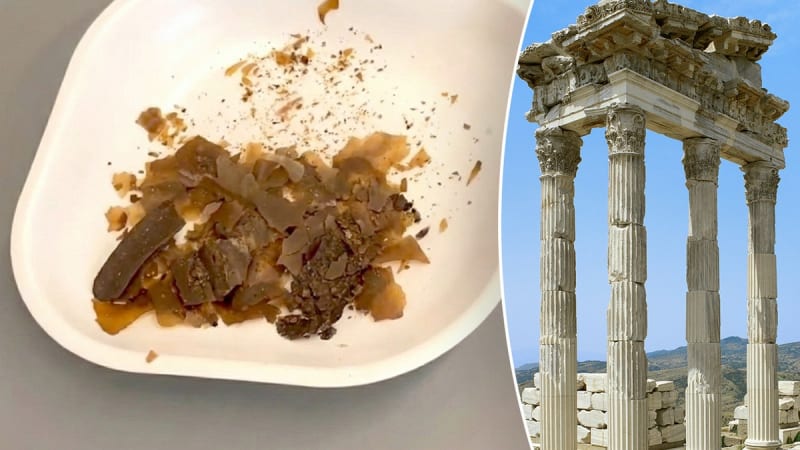
Chemical analysis revealed something remarkable. The residue was human feces carefully mixed with thyme and olive oil, creating a medicine exactly matching recipes written by Galen, the most famous physician of the Roman Empire.
"Finding the very remedy described by Galen himself was both a great surprise and a source of immense excitement," said Atila, a professor at Sivas Cumhuriyet University. His team published the findings in the Journal of Archaeological Sciences.
Ancient texts had long mentioned fecal treatments, but skeptics questioned whether doctors actually used them. This brown residue ended the debate with physical proof.
The thyme served double duty in the mixture. It masked the smell while providing antibacterial properties that may have offered genuine medical benefits.
The vessel itself tells an interesting story. Romans repurposed a delicate glass unguentarium, normally used for expensive perfumes, as a medicine bottle for this unusual treatment.
Why This Inspires
This discovery reminds us that ancient healers were experimenting, observing, and trying to help their patients with every tool available. While modern medicine has moved far beyond these methods, the same spirit of innovation continues today.
Scientists are now exploring similar ideas in controlled settings. Fecal transplants have become legitimate treatments for certain intestinal conditions, proving our ancestors may have stumbled onto something real.
The find also shows why preserving even ordinary artifacts matters. Atila emphasizes that careful examination of seemingly unremarkable objects can unlock major scientific discoveries.
After 2,000 years, the mixture no longer smells, though it still holds secrets about how our ancestors approached healing and medicine.
Ancient innovation continues teaching modern science valuable lessons about trying bold solutions to stubborn problems.
More Images
Based on reporting by Fox News Travel
This story was written by BrightWire based on verified news reports.
Spread the positivity!
Share this good news with someone who needs it