550-Million-Year-Old Sponge Solves Ancient Mystery
Scientists discovered a 15-inch fossil along China's Yangtze River that bridges a puzzling 160-million-year gap in the evolutionary record of Earth's earliest animals. The find is rewriting how researchers search for ancient life.
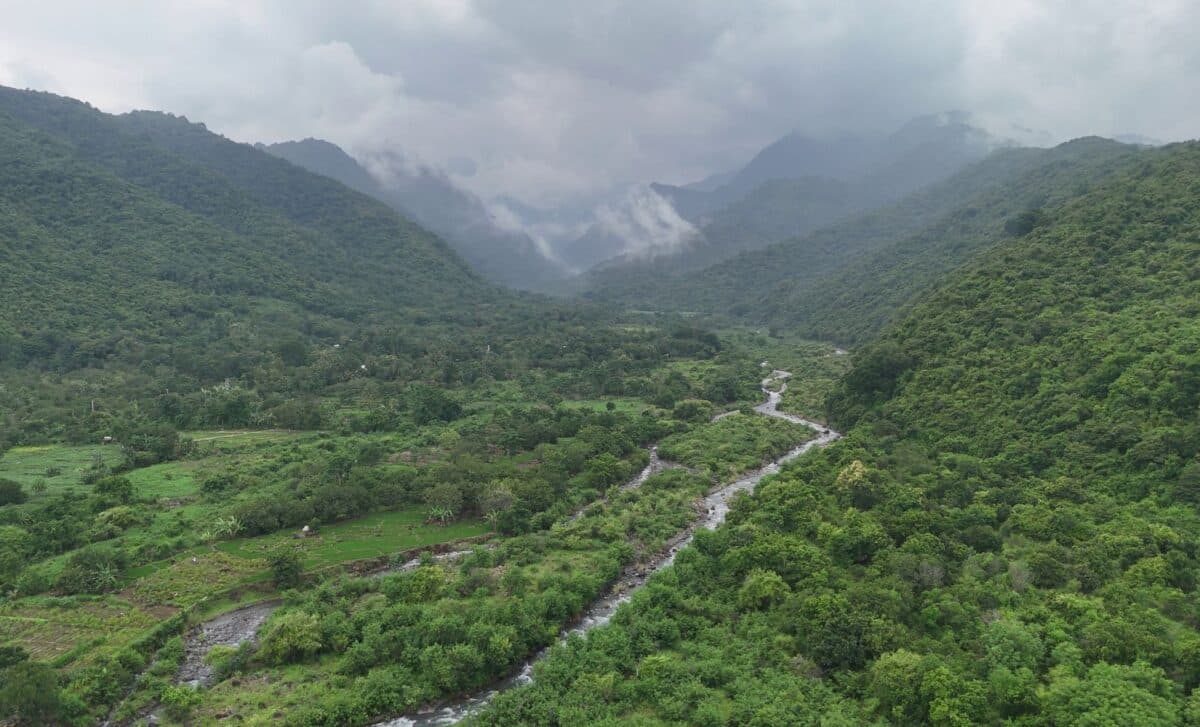
A fossil pulled from the banks of China's Yangtze River just answered a question that has stumped scientists for decades.
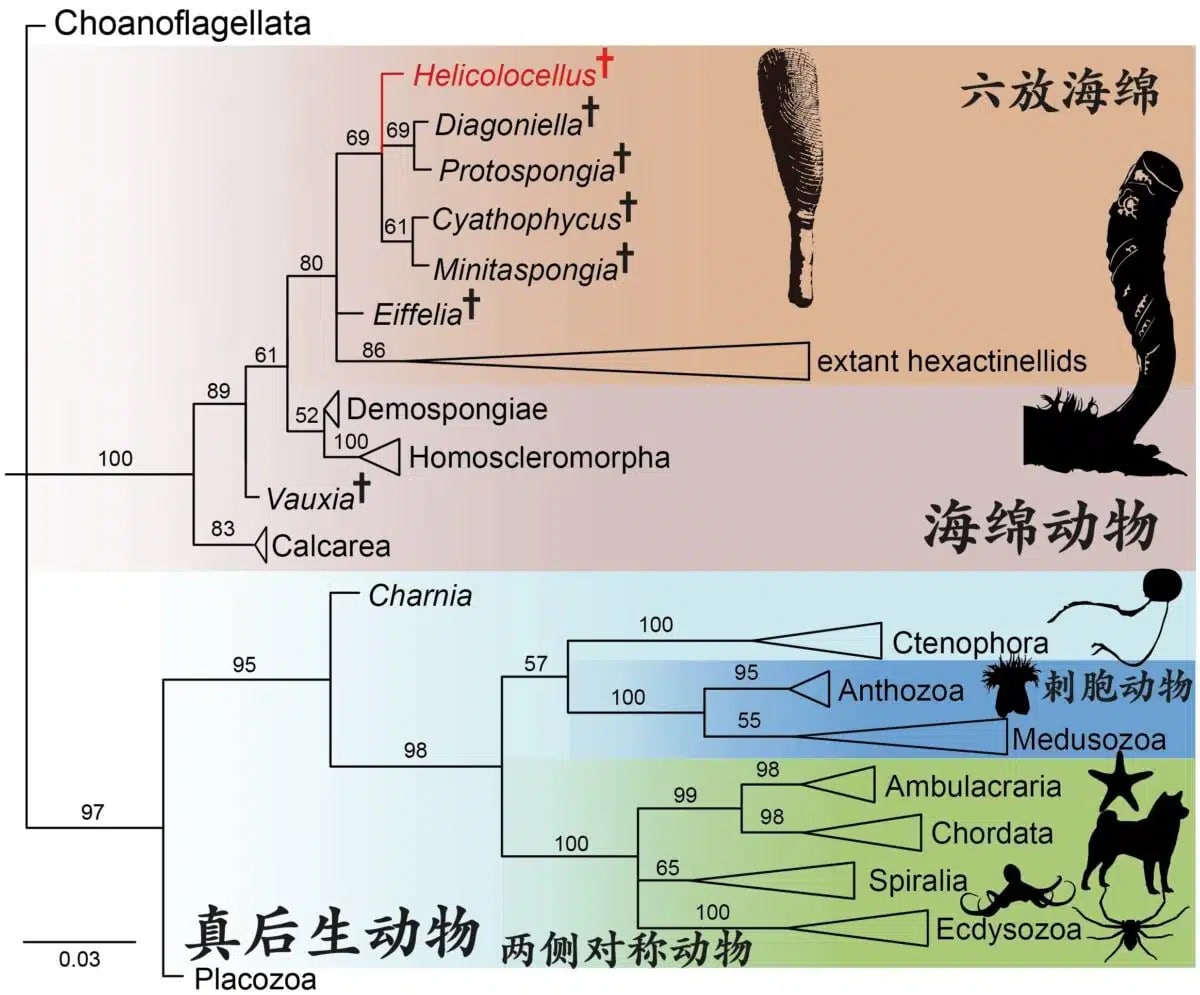
For years, researchers faced a confusing contradiction. Molecular studies suggested sponges first appeared around 700 million years ago, but clear sponge fossils only showed up starting 540 million years ago. That left a mysterious 160-million-year gap with no explanation.
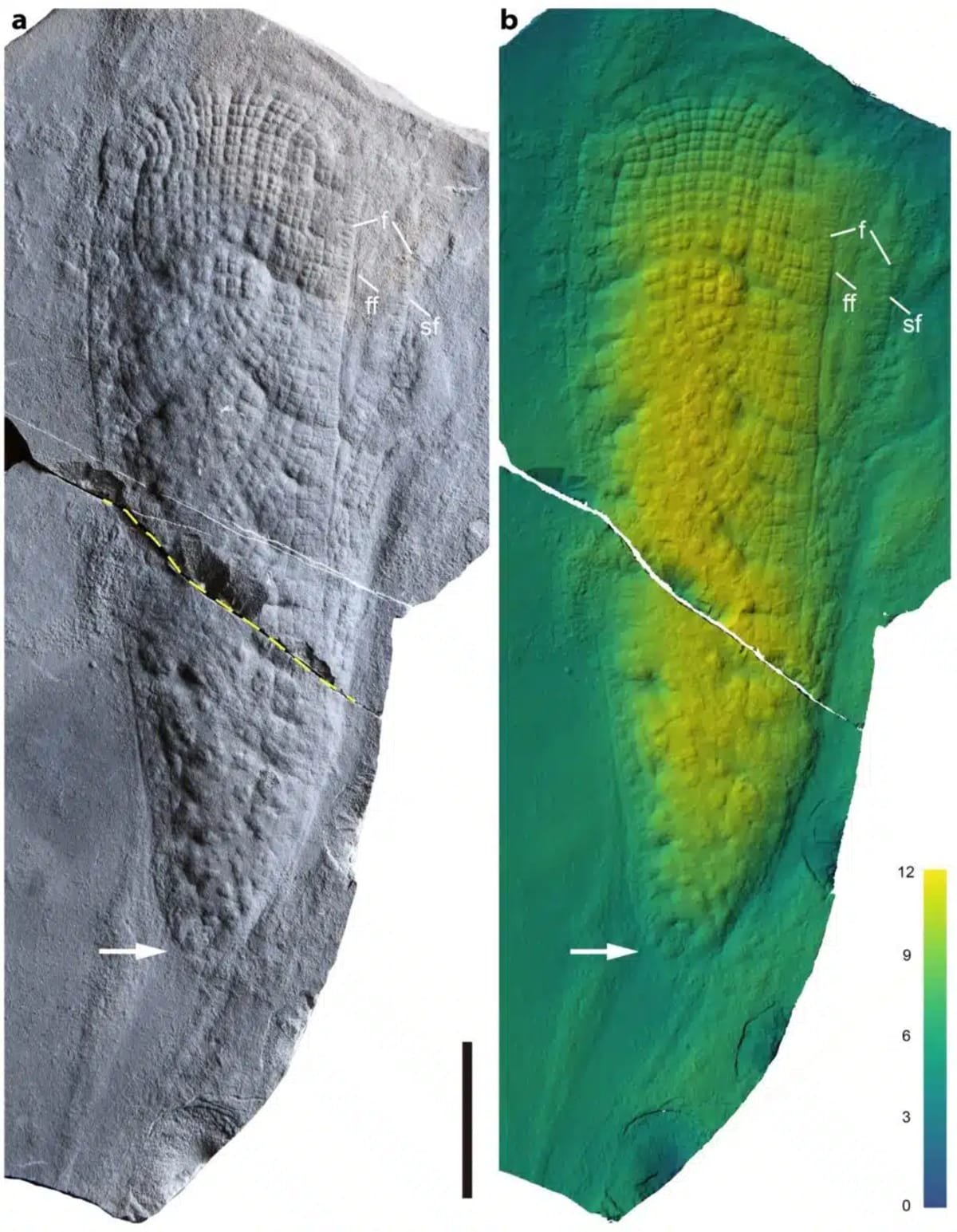
Now a team led by geobiologist Shuhai Xiao has described a 550-million-year-old sponge fossil that falls right in the middle of that missing window. The discovery came from an unlikely source: a photograph sent by a collaborator about five years ago.
"I had never seen anything like it before," Xiao said. "Almost immediately, I realized that it was something new."
The fossil didn't match sea squirts, anemones, or corals. Instead, its surface showed a grid of box-like shapes, each divided into smaller repeating units. That pattern pointed to an ancient glass sponge, according to research published in Nature.
The size surprised everyone. "When searching for fossils of early sponges I had expected them to be very small," said Alex Liu from the University of Cambridge. The specimen measured about 15 inches long with a complex, cone-shaped body.
The real breakthrough came from understanding why earlier sponges left almost no trace. Xiao's team found that ancient sponge structures became progressively less mineralized the further back in time they looked.
"If you extrapolate back, then perhaps the first ones were soft-bodied creatures with entirely organic skeletons and no minerals at all," Xiao explained. Without hard parts, these delicate organisms could only fossilize under very special conditions where rapid preservation outpaced decay.
Why This Inspires
This discovery does more than fill a gap in the fossil record. It fundamentally changes how scientists hunt for evidence of early life on Earth.
If the first sponges were entirely soft-bodied, then a significant portion of early animal life may have vanished without leaving conventional fossils. Researchers now know they need to focus on unusual geological environments where delicate organisms had any chance of being preserved.
The 160-million-year gap was never really empty. It was populated by creatures too soft and too fragile to leave their mark under ordinary conditions, waiting in rare pockets of ancient rock for the right eyes to find them.
"The new finding offers a window into early animals before they developed hard parts," Xiao said. That window just opened a little wider.
More Images


Based on reporting by Google News - Science
This story was written by BrightWire based on verified news reports.
Spread the positivity!
Share this good news with someone who needs it