6 College Projects Healing Hearts and Building Smarter Cities
Students across America are turning classroom ideas into real-world solutions that could change millions of lives. From heart attack recovery patches to AI-powered urban forests, these innovations prove the next generation isn't waiting to make a difference.
Universities are graduating more than students this year. They're launching technologies that could reshape how we heal, build, and live.
At Texas A&M, biomedical students created a tiny patch that's giving heart attack survivors hope. The biodegradable microneedle delivers healing molecules directly to damaged heart tissue, helping repair the kind of injuries that typically lead to chronic heart failure. With 805,000 Americans experiencing heart attacks annually, this innovation moved from student project to funded therapy backed by the National Institutes of Health and American Heart Association in just one year.
Meanwhile, California State University Northridge students solved a problem that's plagued prosthetics for decades: cost and adaptability. Their AI-powered arm prosthesis recognizes materials, adapts to user habits, and provides texture feedback. The revolutionary design costs just $300 to make with a 3D printer, putting advanced prosthetics within reach for people who couldn't afford $50,000 traditional models.
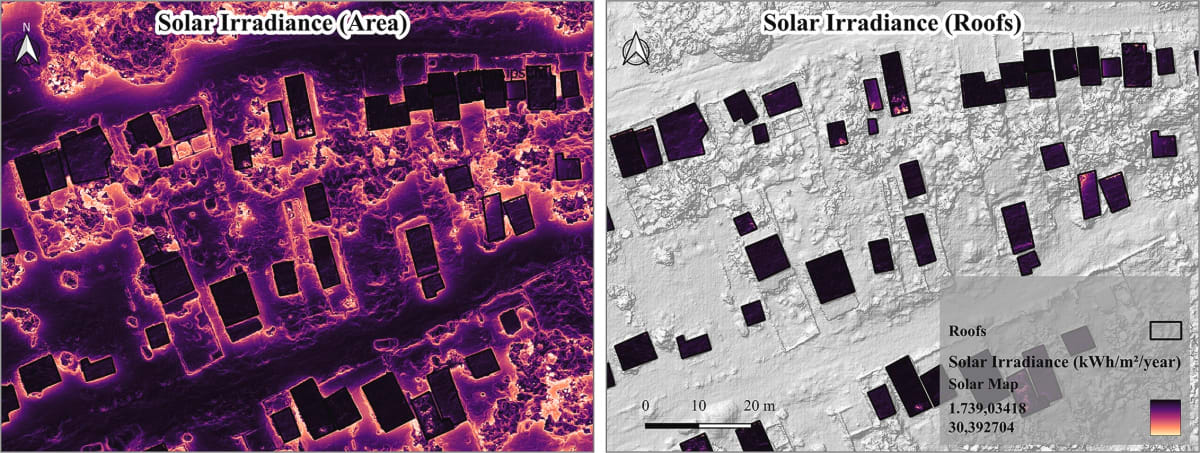
Cities are getting smarter thanks to Savannah College of Art and Design students who created Grove, an urban forestry monitoring system. Smart soil sensors and AI track tree health in real time, helping cities prevent problems before trees die. Residents can report damage through a gamified app that makes tree stewardship feel like community action, not civic duty. New York Urban Forestry and Trees Atlanta already recognize Grove for boosting property values and air quality.
At MIT, researchers turned science fiction into reality with Speech to Reality technology. Users literally speak furniture and sculptures into existence using 3D generative AI and robotic assembly. Unlike traditional 3D printing that takes hours, this system builds objects in minutes using reusable modular parts. The team is expanding to create durable moving objects with hinges, rails, and varied materials.
The Ripple Effect: These projects share a common thread beyond innovation. They're solving expensive, complicated problems with accessible technology that empowers everyday people. Grove turns residents into environmental stewards. The prosthetic arm gives independence to people society often overlooks. The heart patch transforms recovery from survivable to livable. Speech to Reality democratizes design for people who never touched CAD software.
Each project started in a classroom where students were encouraged to ask "what if" instead of "why not." Those questions are now becoming answers that improve lives, strengthen communities, and prove young people aren't just preparing for the future—they're actively building it.
The next breakthrough that changes your life might be sketched on a campus whiteboard right now.
Based on reporting by Fast Company - Innovation
This story was written by BrightWire based on verified news reports.
Spread the positivity!
Share this good news with someone who needs it