6 Indian Women Scientists Who Changed Space and Medicine
While the world watched India's Mars mission succeed on the first try, few knew the women behind it. These six scientists revolutionized space exploration, cancer detection, and mathematics without seeking headlines.
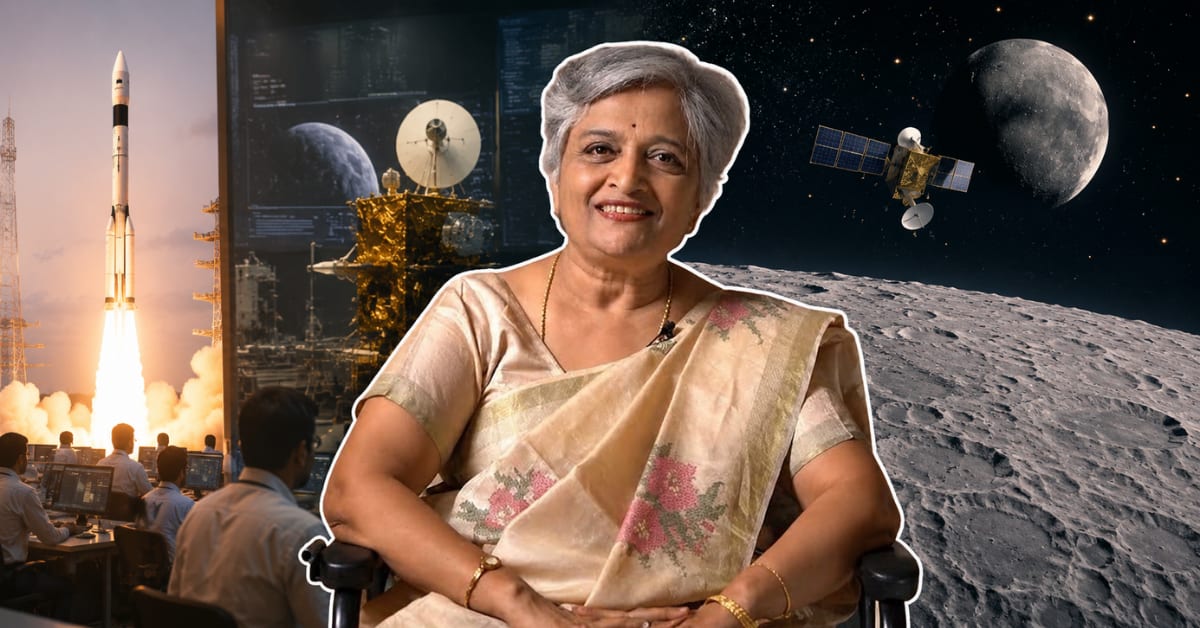
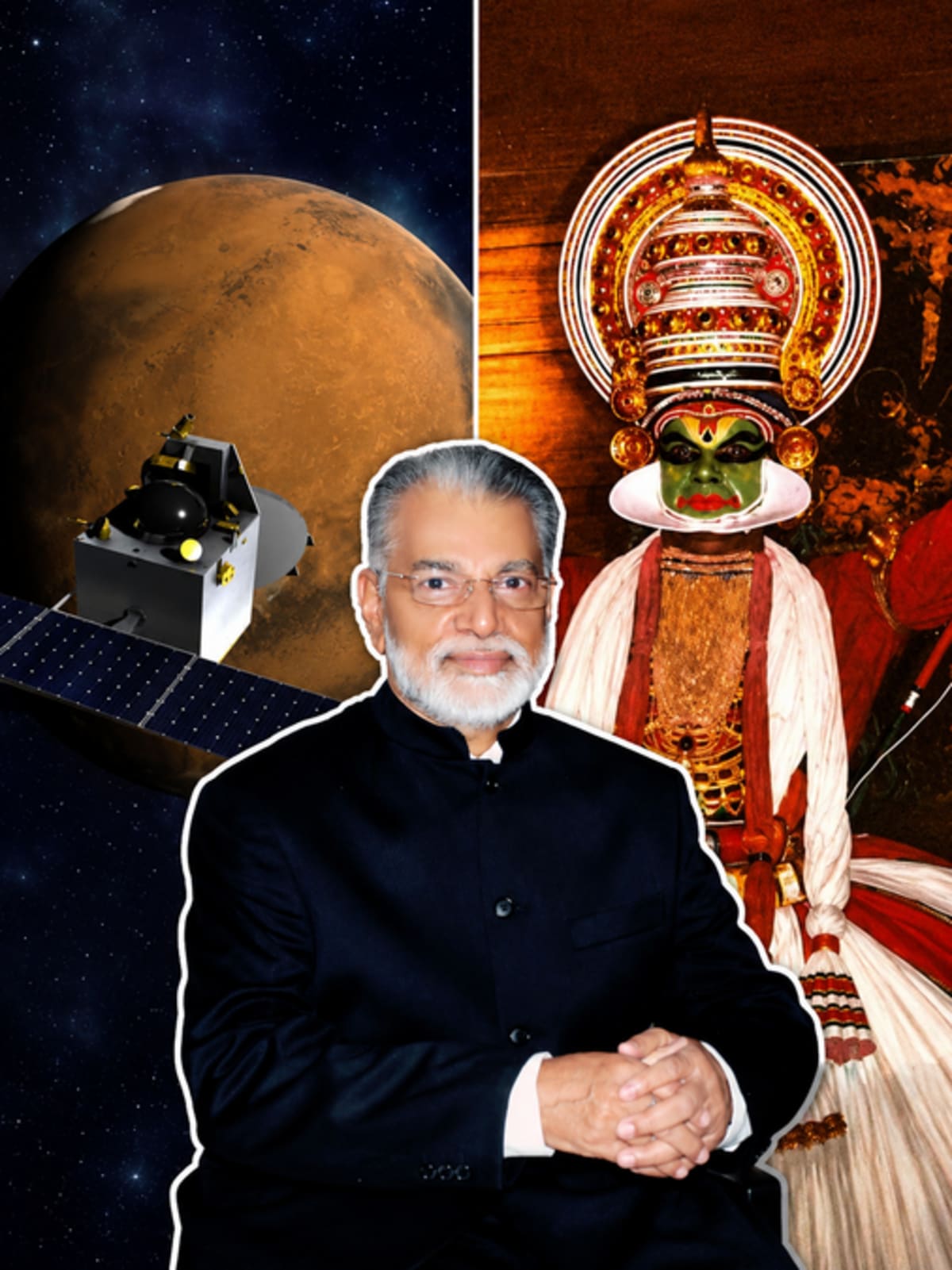
India reached Mars on its first attempt in 2014, a feat only achieved by one other nation. Behind that precision were women like Dr. Ritu Karidhal, the "Rocket Woman of India," who led mission planning for both the Mars Orbiter Mission and Chandrayaan-2.
Dr. Nandini Harinath worked alongside her as a systems engineer, handling the intricate navigation and mission planning that made the Mars achievement possible. Her meticulous calculations ensured every trajectory was perfect, every system aligned.
When Chandrayaan-2 launched in 2019, Dr. Muthayya Vanitha became the first woman to lead an ISRO lunar mission as Project Director. She managed the end-to-end execution of one of India's most complex space ventures, laying groundwork for Chandrayaan-3 and the upcoming Gaganyaan missions.
Dr. Anuradha TK took a different approach to advancing India's space program. As ISRO's communications expert, she became the voice that explained rocket science to millions, translating complex missions into stories everyone could understand and building public trust in Indian science.
Beyond space, Dr. Geetha Manjunath founded NIRAMAI, a health-tech startup using artificial intelligence for early breast cancer detection. Her non-invasive screening tool can identify cancer up to five years earlier than traditional methods and now operates in hospitals across India and internationally.
In mathematics, Dr. Rajula Srivastava earned the 2025 Maryam Mirzakhani New Frontiers Prize for her work in analytic number theory and automorphic forms. Her research advances cryptography and data systems, the invisible infrastructure securing our digital world.
The Ripple Effect
These scientists didn't just complete missions or publish papers. They proved that India could compete in space exploration on a fraction of NASA's budget, demonstrated that early cancer detection could be accessible and affordable, and showed that precision matters more than publicity.
Their work opened doors for the next generation of Indian women in STEM fields, created new standards for mission planning, and saved countless lives through earlier disease detection.
The next time India launches a rocket or a new cancer screening center opens, remember the quiet revolutionaries who made it possible.
Based on reporting by The Better India
This story was written by BrightWire based on verified news reports.
Spread the positivity!
Share this good news with someone who needs it