6 Young Reporters Write Letters to Journalism's Future
Six emerging environmental journalists from three continents wrote letters to the future instead of their editors, revealing what the next generation believes journalism must become. Their words offer hope grounded in ethics, collaboration, and a promise to keep paying attention.
Six young environmental reporters recently tried something different: instead of pitching stories to editors, they wrote letters addressed to the future.
The writers are fellows in the 2025 Y. Eva Tan Conservation Reporting Fellowship, scattered across India, Malaysia, Colombia, Democratic Republic of Congo, Brazil, and Nigeria. Their letters ask a pressing question: what kind of journalism will the world need when crisis becomes normal?
Shradha Triveni in India writes about cities where pollution is part of daily life and audiences are abandoning traditional media for social feeds. She believes journalists must reinvent how they tell stories to stay relevant and trusted.
Lee Kwai Han from Malaysia reached journalism through skepticism about sensational coverage. She found her answer in rigorous fact-checking and ethics, the tools that keep reporting credible when misinformation spreads fast.
Manuel Fonseca in Colombia pushes back against reducing murdered environmental defenders to statistics. He argues that numbers can't explain why people risk everything to protect rivers and forests, and journalism must tell those deeper stories.
Blaise Kasereka Makuta from the Democratic Republic of Congo focuses on traditional medicine as a knowledge system disappearing with climate change and displacement. He wonders if future generations will judge whether journalists documented these practices before they vanished.
Hope appears throughout the letters, though it's careful and realistic. Fernanda Biasoli in Brazil finds it in networks of young reporters sharing ideas across borders, comparing environmental journalism to a river fed by many tributaries.
Samuel Ogunsona from Nigeria sees potential for regions often portrayed as victims to instead shape climate solutions, if global promises turn into action.
The Ripple Effect
These fellows represent a shift in environmental journalism. They're not parachuting into communities for quick stories and leaving. They're building sustained relationships, making their reporting accessible to the people they cover, and ensuring those communities benefit from the attention.
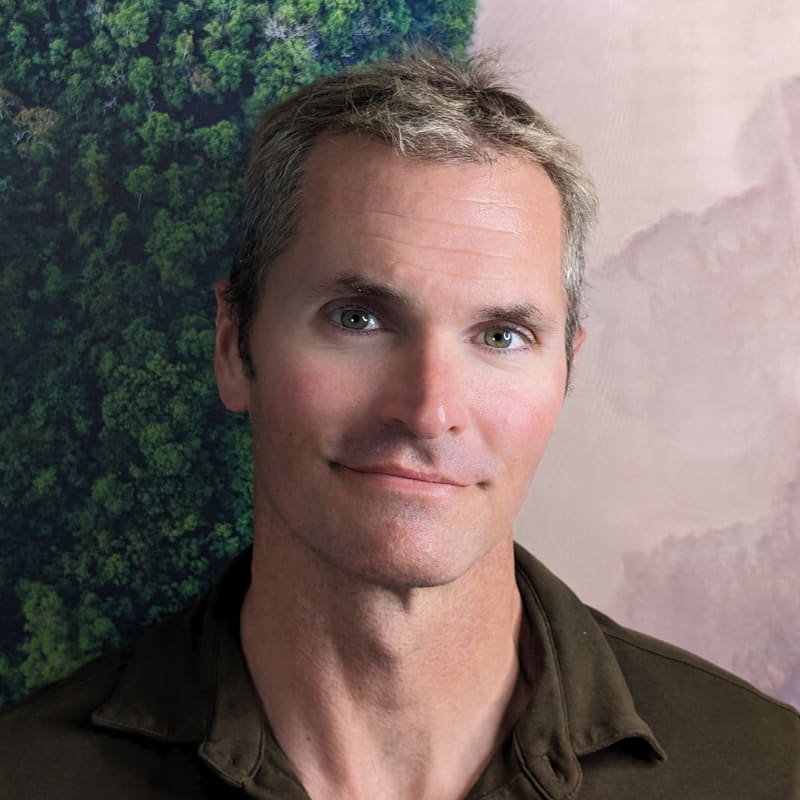
Their mentor Karen Coates notes that training local journalists creates ripples. Alumni launch environmental desks at major publications and influence policy debates in their home countries, building infrastructure for credible information where it matters most.
None of these young reporters claim journalism will solve the crises they document. Their ambition is more modest and perhaps more lasting: they promise that someone, somewhere, will keep observing carefully, verifying honestly, and telling complex stories without turning them into spectacle.
In places where environmental decisions determine whether families eat or communities survive, credible reporting guides choices and holds power accountable. These six journalists are committing to be that steady presence, one careful story at a time.
More Images

Based on reporting by Mongabay
This story was written by BrightWire based on verified news reports.
Spread the positivity!
Share this good news with someone who needs it