635,000 Trees Planted Across Oregon Wildfire Scars
Reforestation crews just planted over 635,000 seedlings across 5,000 acres of Oregon's Malheur National Forest burned in massive 2024 wildfires. The four-week spring planting effort is helping restore forests where extreme heat destroyed natural seed sources.
Across nearly 5,000 acres of charred Oregon forest, more than 635,000 tiny seedlings are now taking root where wildfire once raged.
The massive spring planting effort wrapped up in late April across Malheur National Forest, two years after the 2024 fire season scorched over 300,000 acres. Contracted crews and Forest Service staff worked side by side for four weeks, carefully placing each conifer seedling into steep, remote terrain across the Blue Mountain and Emigrant Creek Ranger Districts.
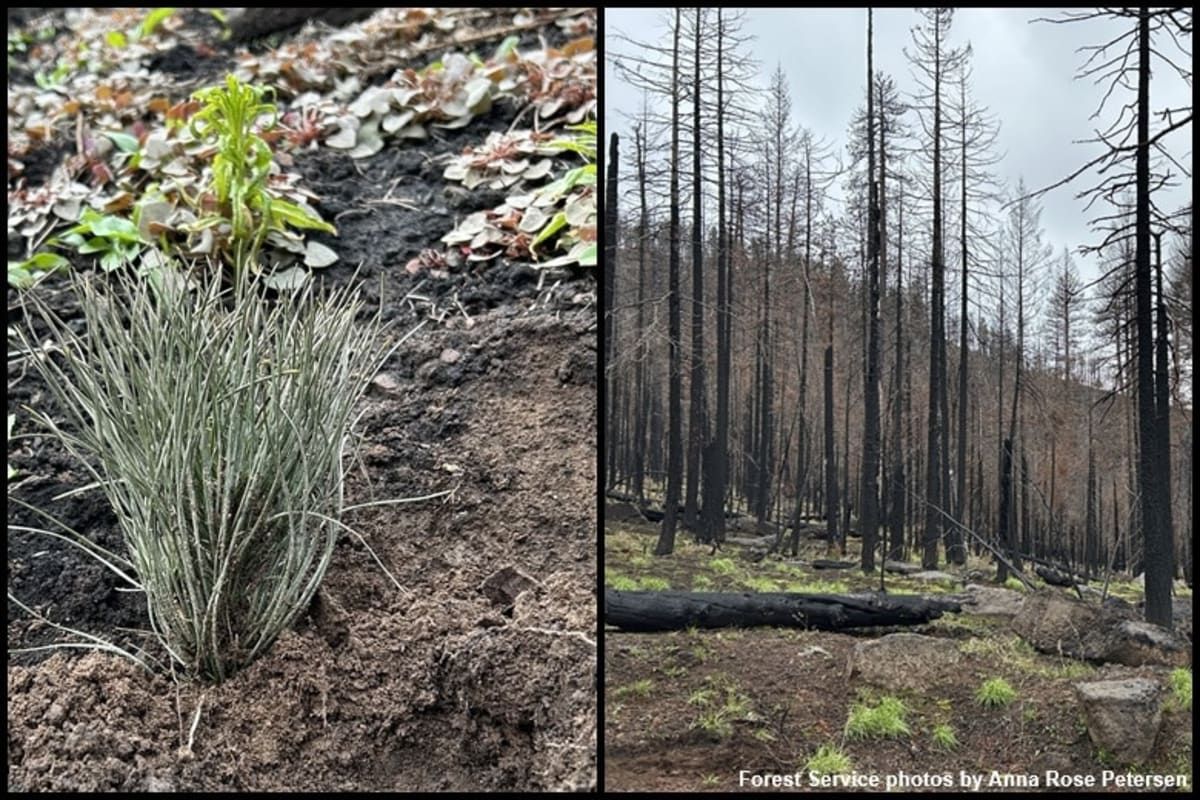
The project tackles a growing challenge across the American West. When wildfires burn extremely hot, they kill mature trees that would normally drop seeds after the flames pass, and they damage soil so severely that natural regrowth struggles to take hold.
That's what happened across the Falls, Rail Ridge, and Sand Fire scars. Without human help, these landscapes faced years of slow recovery or permanent transformation into different ecosystems.
Getting ready for planting takes years of advance work. The Forest Service grows seedlings from seeds collected years earlier, timing their growth so they're ready exactly when conditions are right.
Crews started before sunrise each planting day, loading seedlings from refrigerated coolers and racing against the clock. Spring's cool, wet conditions give young trees their best shot at surviving Oregon's hot, dry summers, so timing matters enormously.
Each seedling got handled with care and planted methodically across the landscape. The work continued from dawn until afternoon, day after day, as crews moved across remote hillsides ensuring every tree had the best chance to thrive.
The Ripple Effect
This planting represents far more than replacing lost trees. Restored forests stabilize soil, preventing erosion that can pollute waterways and trigger landslides. They provide wildlife habitat, store carbon, filter water, and support recreation economies that rural Oregon communities depend on.
As wildfire intensity increases across the West, active reforestation has become essential for maintaining healthy landscapes. Natural recovery alone can't keep pace with the scale and severity of modern burns.
The 635,000 seedlings planted this spring are growing into the forests that will shelter wildlife, clean water, and provide timber for communities decades from now.
Based on reporting by Google News - Reforestation
This story was written by BrightWire based on verified news reports.
Spread the positivity!
Share this good news with someone who needs it