Helicopters Return 6,000 Logs to Pacific Northwest Rivers
The Yakama Nation is flying thousands of tree trunks back into rivers to fix a decades-old mistake. What was once removed as "barriers" are now restoring habitats and bringing salmon home.
For nearly 40 years, Scott Nicolai thought he was helping rivers by removing logs. Now he's using helicopters to put 6,000 of them back.
The Yakama Nation habitat biologist spent decades pulling logs out of streams across central Washington, believing clean, fast-moving water was best for fish. But the rivers told a different story.
Without logs, salmon and bull trout lost their spawning grounds. Streams dried up during summer. Wildlife populations crashed.
"We're trying to learn from our mistakes and find a better way to manage," said Phil Rigdon, director of the Yakama Nation Department of Natural Resources.
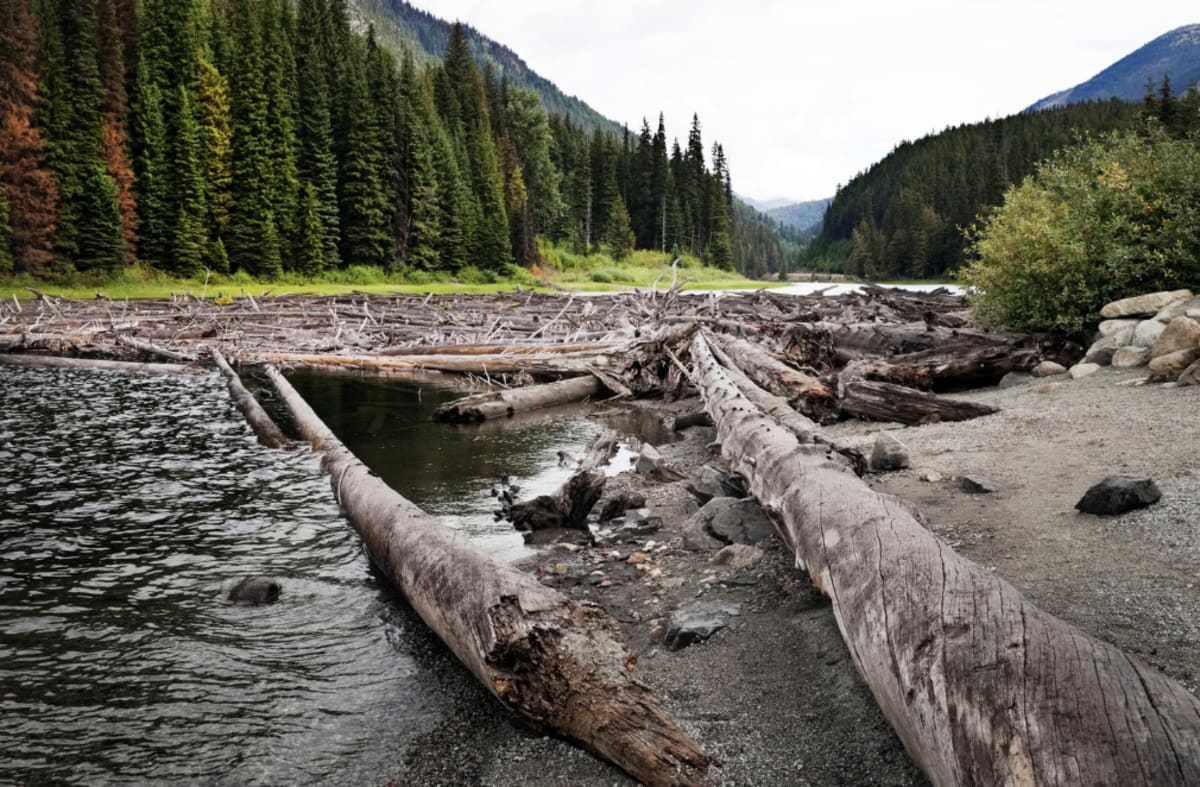
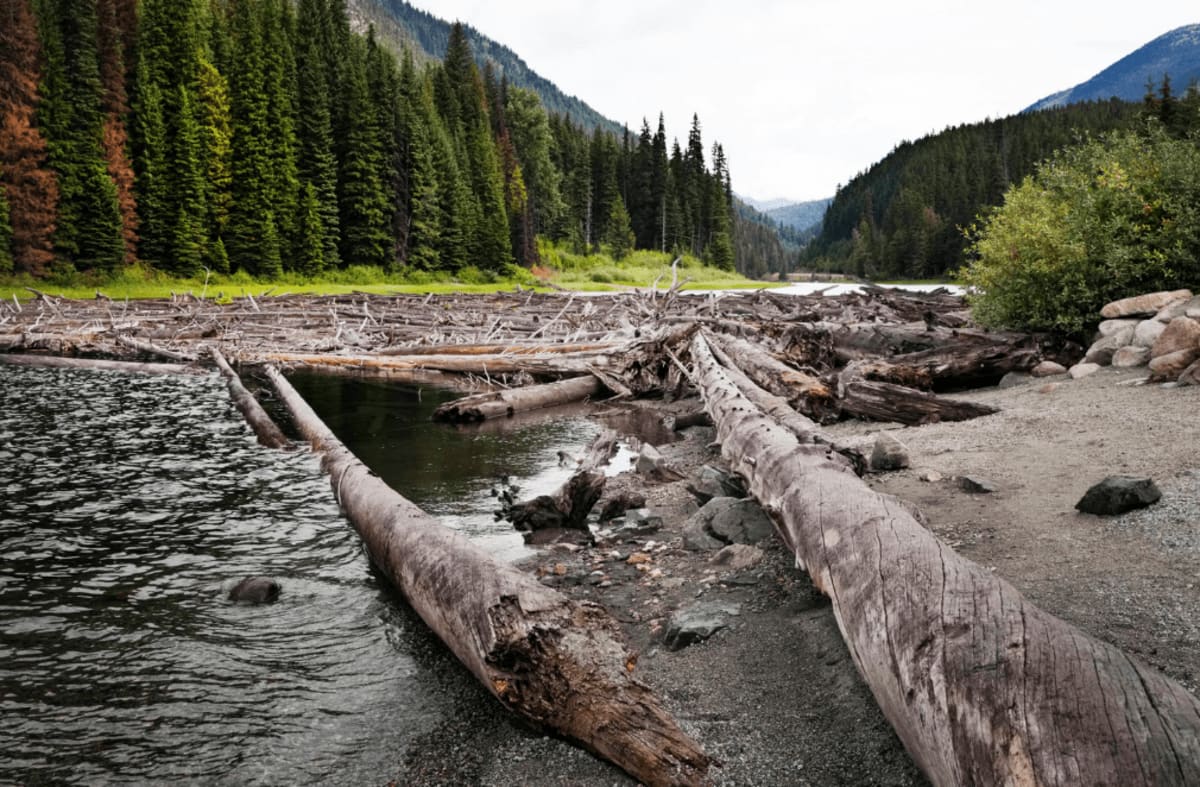
The logs create sheltered pockets where fish can spawn safely. They slow rushing water and spread it across floodplains, letting it soak deep into the ground. That stored water seeps back into streams during hot, dry months, keeping them cool and flowing when fish need it most.
Now one of the region's largest river restoration projects is underway. More than 6,000 logs are being placed along 24 miles of rivers and streams across the Yakama Reservation and surrounding lands.
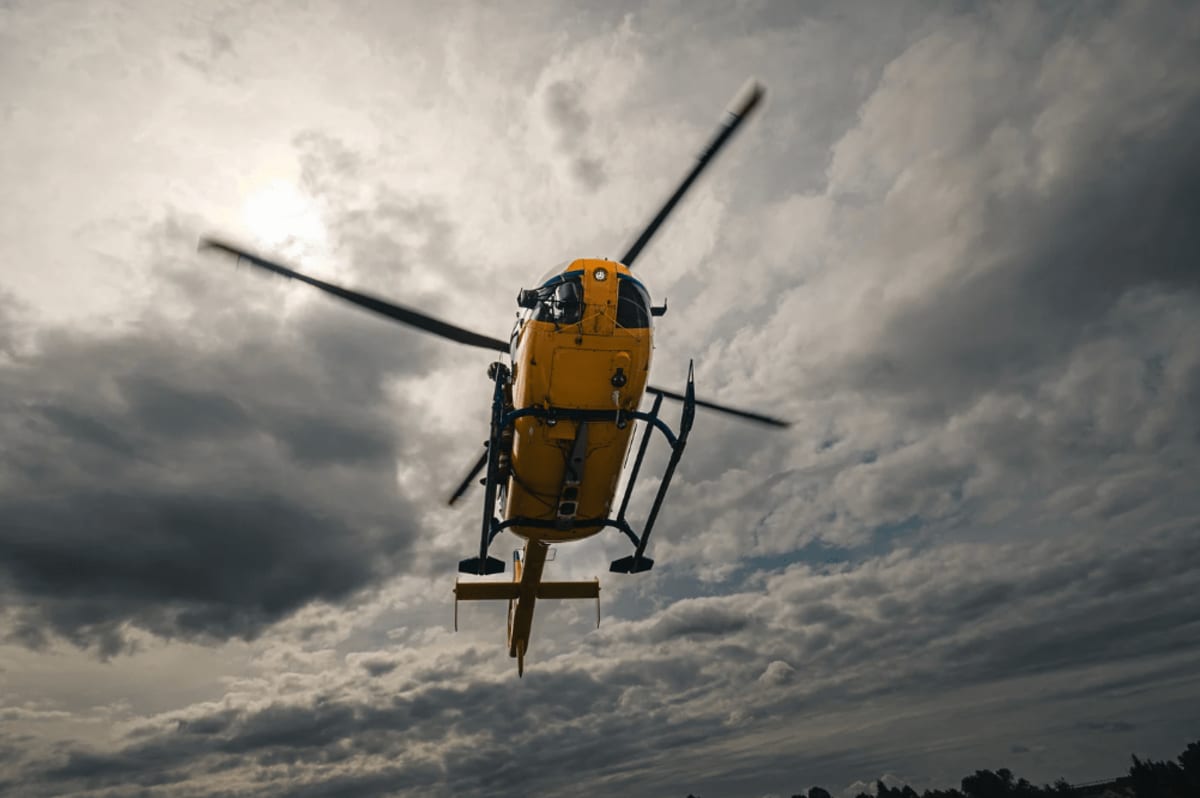
Roads can't reach many of these remote streams, so helicopters airlift Douglas fir, grand fir, and cedar logs from staging areas. Pilots follow pink and blue flagging tape to drop each trunk at precise locations marked by restoration teams.
The timber comes from forest-thinning projects led by The Nature Conservancy. While some logs could have been sold for profit, the Yakama Nation chose to use them as river infrastructure instead.
The Ripple Effect
The project reaches beyond ecology into cultural healing. Tribal leaders gathered along the Little Naches River for a ceremony as helicopters flew overhead.
"It was very simple: to bring what was rightfully part of this land back to us," said former tribal chairman Jerry Meninick.
The work challenges assumptions about what "healthy" nature should look like. For decades, clean meant good. Simple meant efficient. But rivers need complexity to thrive.
The logs slow water during floods, create habitat for insects that feed fish, and support algae that form the base of the food chain. They transform straight channels into winding, life-filled ecosystems.
What seemed like barriers were actually foundations. What looked messy was actually thriving.
Nature has a remarkable ability to heal when given the right tools, and sometimes those tools are as simple as letting rivers be messy again.
More Images


Based on reporting by Upworthy
This story was written by BrightWire based on verified news reports.
Spread the positivity!
Share this good news with someone who needs it