66-Million-Year-Old Feather Reveals Bird Survival Secret
A tiny feather preserved in dinosaur poop may finally explain why some birds survived the asteroid that killed the dinosaurs while others vanished forever. The discovery offers fresh hope for understanding how life adapts to planetary catastrophes.
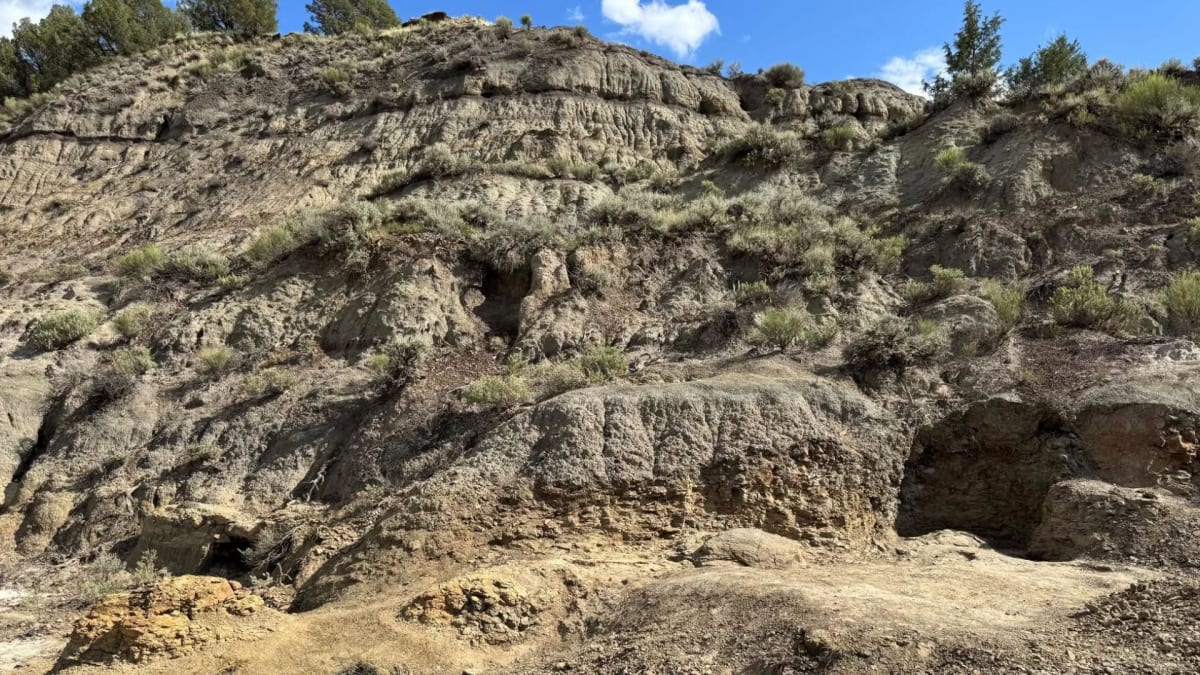
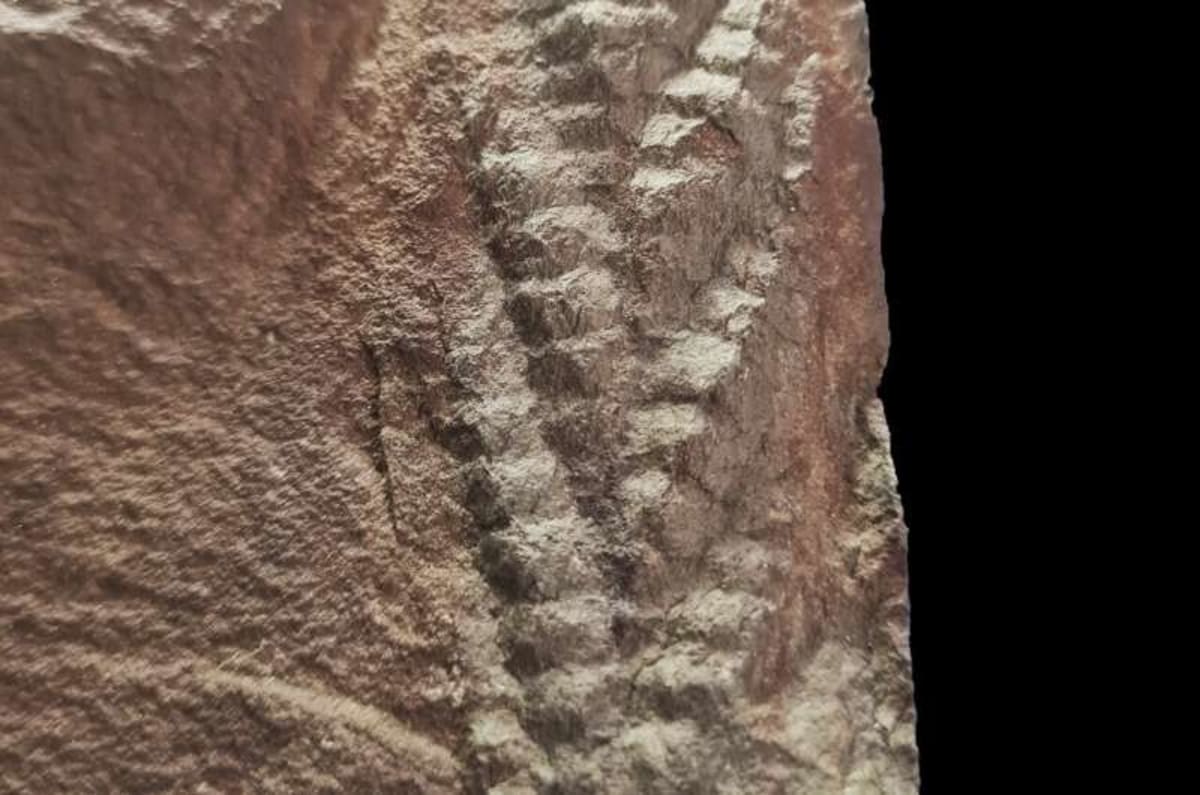
A paleontologist crawling through Montana's rocky badlands spotted something odd: a cherry-sized fossil with delicate branching patterns etched into its surface. Inside that ancient chunk of dinosaur dung sat the most perfectly preserved feather ever found from the age of dinosaurs.
David DeMar, a lab manager at Seattle's Burke Museum, almost couldn't believe what he'd stumbled upon in 2016. He radioed his colleagues twice because no one responded the first time. They thought he was joking.
The feather dates back 66 million years to the late Cretaceous period, right before a massive asteroid slammed into Earth and wiped out the dinosaurs. Scientists believe a large meat-eating dinosaur like T. rex ate an ancient swimming bird, digested it, and pooped out the remains that would solve a paleontology puzzle millions of years later.
Jingmai O'Connor, a bird expert at Chicago's Field Museum of Natural History, calls it "without a doubt, the best feather we've ever found from the age of dinosaurs." CT scans revealed even more treasures inside the fossilized feces: additional feathers, bone fragments, and two tiny fish scales from the bird's final meal.
The discovery helps answer a question that's puzzled scientists for decades. Many bird species thrived during the Cretaceous period, but only one group survived when the Chicxulub asteroid impact sent ash into the atmosphere and caused dramatic global cooling. That lucky group gave rise to every bird species alive today.
The secret may have been insulation. O'Connor noticed that the fossilized feathers from this extinct water bird lacked the warming properties of modern bird feathers. When temperatures plummeted after the asteroid strike, birds with better insulation could stay warm enough to survive the harsh conditions.
Why This Inspires
This discovery shows how a single fossil smaller than a golf ball can unlock mysteries spanning millions of years. Scientists continue finding new ways to understand how life adapts and perseveres through Earth's most catastrophic moments. The research reminds us that survival often comes down to small but crucial adaptations.
The finding also demonstrates the value of careful fieldwork and curiosity. DeMar could have walked right past that small fossil, but he noticed something unusual and took the time to investigate. His persistence led to breakthrough insights about extinction and survival.
Richard Prum, an ornithologist at Yale University who wasn't involved in the research, called the preservation "remarkable and unexpected." Nothing else from that ancient era shows such beautiful detail, including evidence of individual cells visible in the feather structure.
The larger coprolite pieces DeMar found nearby may hold even more clues about this prehistoric food web. Future analysis could reveal additional details about the birds, dinosaurs, and other creatures that lived during Earth's final days before the great extinction.
This tiny feather proves that answers to life's biggest questions sometimes come in the smallest, most unexpected packages.
More Images



Based on reporting by Google News - Science
This story was written by BrightWire based on verified news reports.
Spread the positivity!
Share this good news with someone who needs it