7 Indian Villages Keep Ancient Traditions Alive Today
Seven remote Indian villages are preserving centuries-old crafts, customs, and conservation practices that connect modern life to ancient traditions. From India's first green village to master silk weavers, these communities prove cultural heritage can thrive in the 21st century.
While tourists flock to India's bustling cities, seven hidden villages are quietly keeping centuries of cultural traditions alive through daily practice, not just memory.
In the highlands of Uttarakhand, Chopta welcomes visitors to rustic wooden cottages surrounded by lush meadows and mountain air that feels untouched by modern life. The village maintains its tranquil character despite being accessible to those seeking authentic mountain experiences.
Kutch's villages in Gujarat extend far beyond the famous salt flats, where generations of artisans continue creating exquisite embroidery and woven textiles using techniques passed down through families. Each piece tells a story of skill refined over lifetimes.
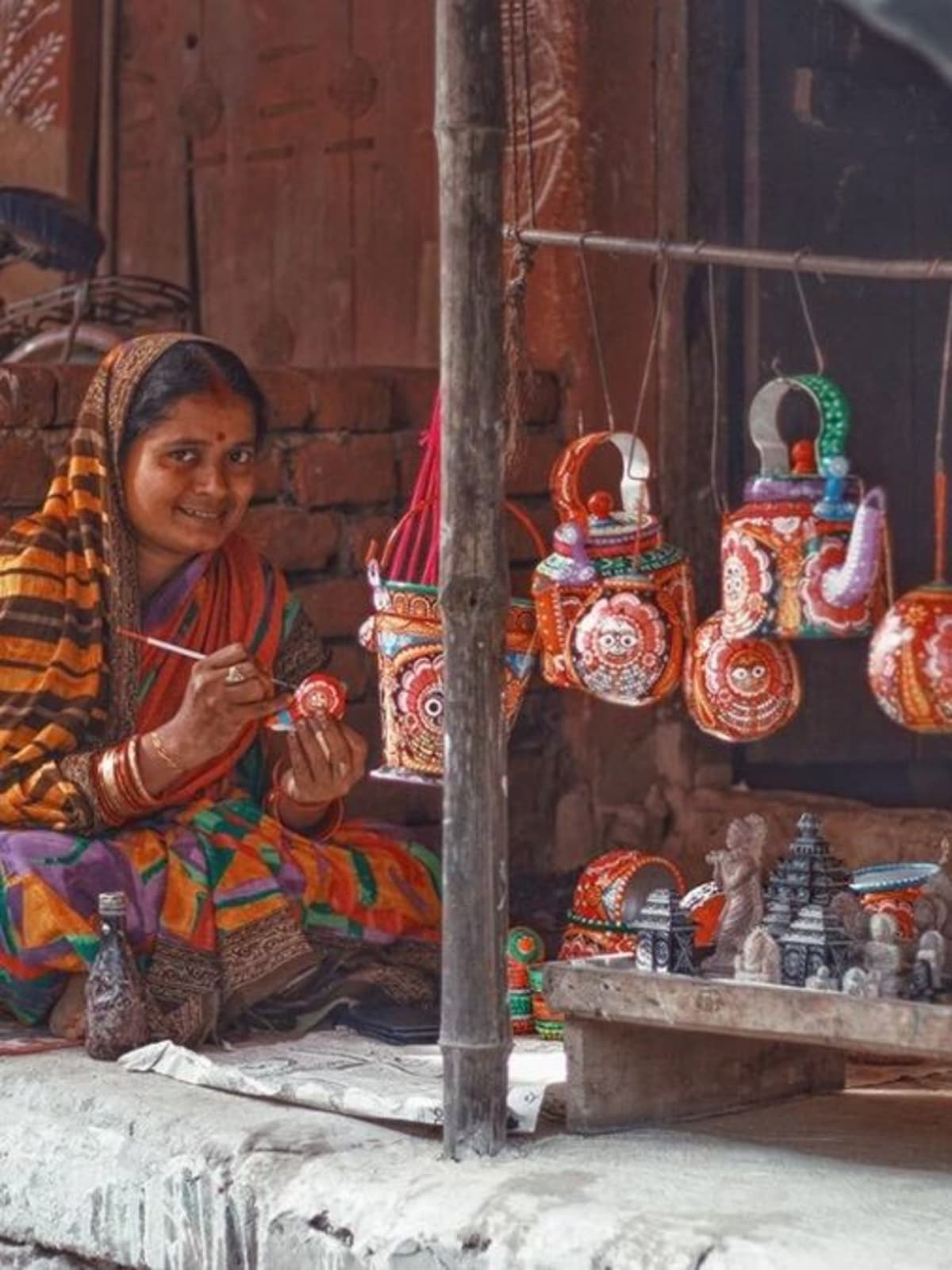
Raghurajpur in Odisha pulses with artistic energy as skilled painters transform ancient myths into vibrant visual stories using timeless brushwork techniques. The entire village functions as a living art gallery where creativity flows through everyday life.
Surrounded by dense forests in Nagaland, Khonoma earned recognition as India's first green village by blending tribal customs with modern conservation practices. The community proves that environmental protection and cultural preservation can strengthen each other.
Lonar in Maharashtra sits beside a rare meteorite crater, where ancient temples stand as physical connections to legends and historical events from bygone eras. The village maintains these sacred sites while welcoming curious visitors to witness geological wonder.
Near the Indo-Pakistan border in Ladakh, Turtuk charms the few travelers who reach it with unique Balti culture, sprawling fruit orchards, and mountain scenery that remains largely undiscovered. The village opened to tourists only recently, preserving its authentic character.
Chanderi in Madhya Pradesh remains famous for handwoven silk sarees created through skills passed down across countless generations of master weavers. The craft continues not as museum performance but as living tradition supporting local families.
Why This Inspires
These villages demonstrate that cultural heritage doesn't require freezing communities in time or turning them into tourist attractions. Instead, they show how ancient practices can remain relevant and economically viable when communities value their traditions enough to teach them forward. Each village has found its own path to preserving what matters while adapting to modern realities.
These living treasures remind us that India's richest heritage breathes through daily life in places most travelers never see.
Based on reporting by The Better India
This story was written by BrightWire based on verified news reports.
Spread the positivity!
Share this good news with someone who needs it