Thailand's 79-Year-Old Weaver Fights to Save Royal Silk
For nearly 70 years, Wanma Nuimeem has woven intricate silk patterns once made for Thai royalty, but she's one of the last artisans who knows how. Now, a UNESCO nomination is bringing hope that her fading craft will survive for future generations.
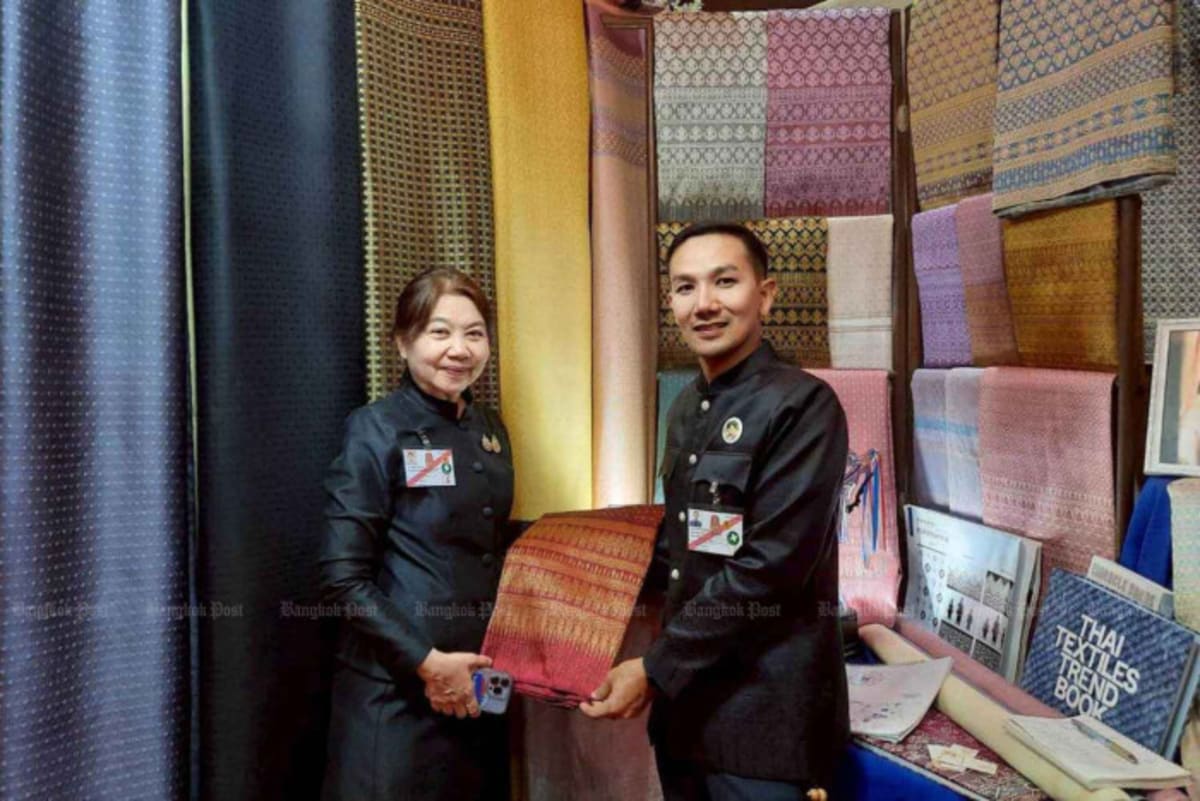
At 79 years old, Wanma Nuimeem can still hear the rhythmic clack of her hand loom in Surat Thani, Thailand, where she's spent nearly seven decades weaving silk patterns fit for kings. She's one of the last people on Earth who knows how to create Ratchawat Khom, an intricate design first requested by King Rama IV in 1860.
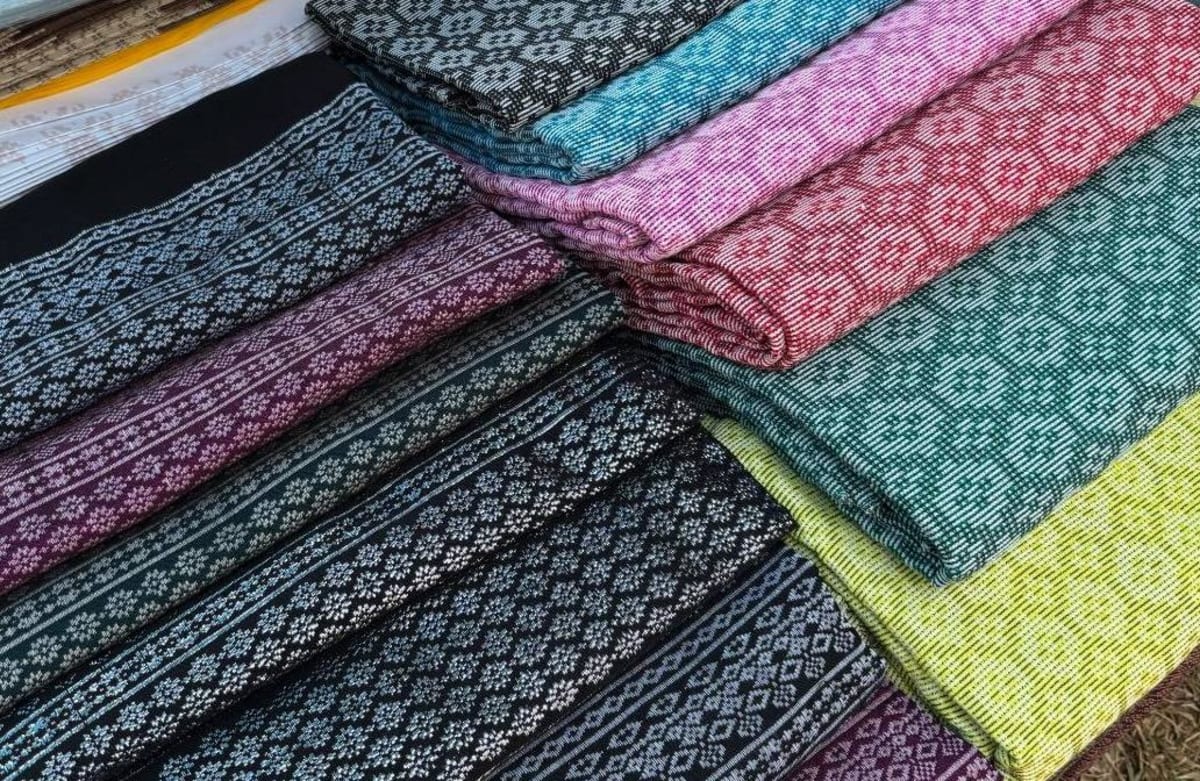
The pattern features geometric lattice work that became deeply woven into the province's cultural identity. But as experienced weavers age and younger people choose different careers, this piece of living history faces extinction.
"In the past, girls in our village did not have the opportunity to attend school, so my mother taught me to weave to ensure I could support myself," Wanma said. Today, young people have more options, and weaving takes time while offering little income.
Many of Wanma's fellow artisans have died without passing on their knowledge, leaving behind silent looms and unfinished work. She's gathered these tools and transformed her shop into a small museum, believing that each loom represents the lives and wisdom of those who came before.
Despite being named a Master Artisan of Thailand in 2010, Wanma worries her signature pattern could disappear. Only her youngest daughter and a niece have continued the craft.
Why This Inspires
Help is coming from an unexpected place. Thailand's government is nominating eight traditional Chud Thai outfits for UNESCO's Intangible Cultural Heritage list, which could bring global attention to craftspeople like Wanma.
Younger weavers are already adapting. Nantapon Phatthananthon, 39, leads a local cooperative that's created new designs inspired by historical sites from the ancient Srivijaya era. His team transforms motifs from artifacts like the Narai statue into modern patterns for jackets, caps, and shirts.
"The challenge is how to apply our traditional knowledge in ways that people can use in everyday life," he explained. Without adaptation, the craft won't survive.
Technology is lending a hand too. Chananya Suwanwong, a digital graphics teacher, works with weavers to turn historical patterns into digital formats that work on both traditional looms and modern machines. Her team develops color schemes inspired by ancient beads found in the region while continuing to use natural dyes from local plants.
"Fabric is not just clothing," Chananya said. "It is a record of who we are and where we come from."
Foreign Affairs Minister Sihasak Phuangketkeow confirmed the UNESCO bid is progressing steadily, emphasizing that communities drive cultural preservation. Many initiatives start at the local level before receiving government support.
For Wanma, the goal is simple: "If the Ratchawat Khom pattern continues to exist, I am satisfied." Thanks to UNESCO recognition and a new generation of innovative weavers, that wish may finally come true.
More Images
Based on reporting by Bangkok Post
This story was written by BrightWire based on verified news reports.
Spread the positivity!
Share this good news with someone who needs it