Thai Fishers and Scientists Team Up to Save Ancient Nets
In Thailand's Songkhla Lake, a 50-year fishing tradition using giant Yo Yak nets was dying as pollution drove away fish. Now local fishers and researchers are joining forces with fish shelters and science to bring both back.
Jampen has worked Thailand's massive Yo Yak lift nets for nearly 50 years, just like her parents before her. But today, at 60, she watches her grandchildren grow up knowing they'll likely never fish these waters.
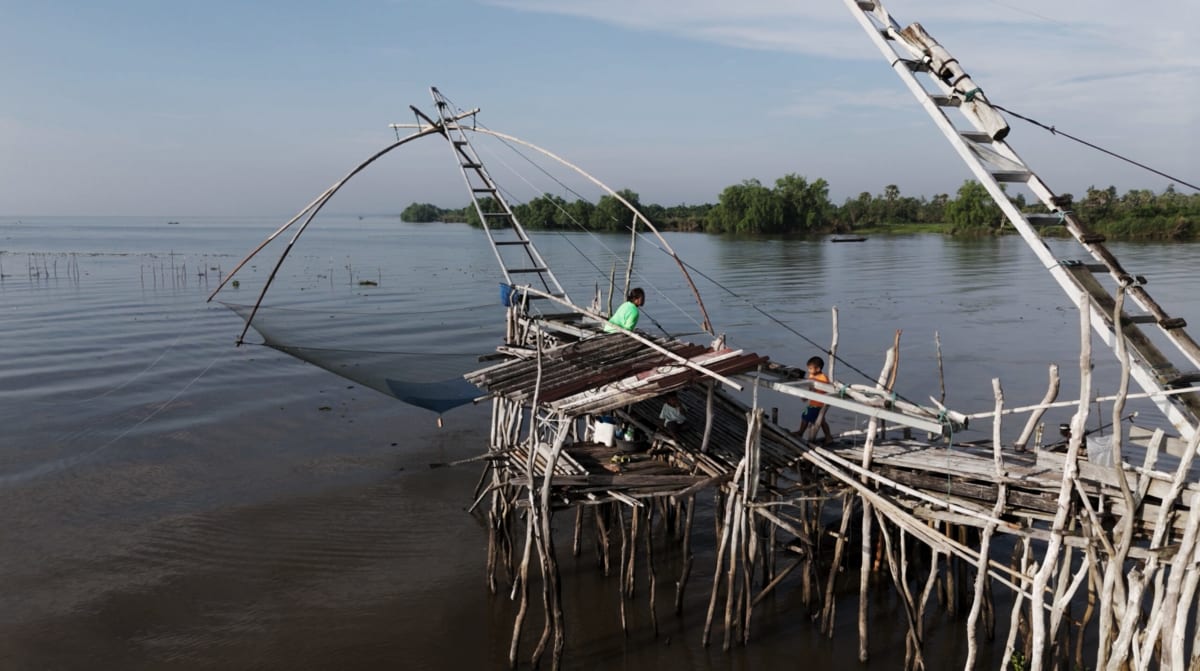
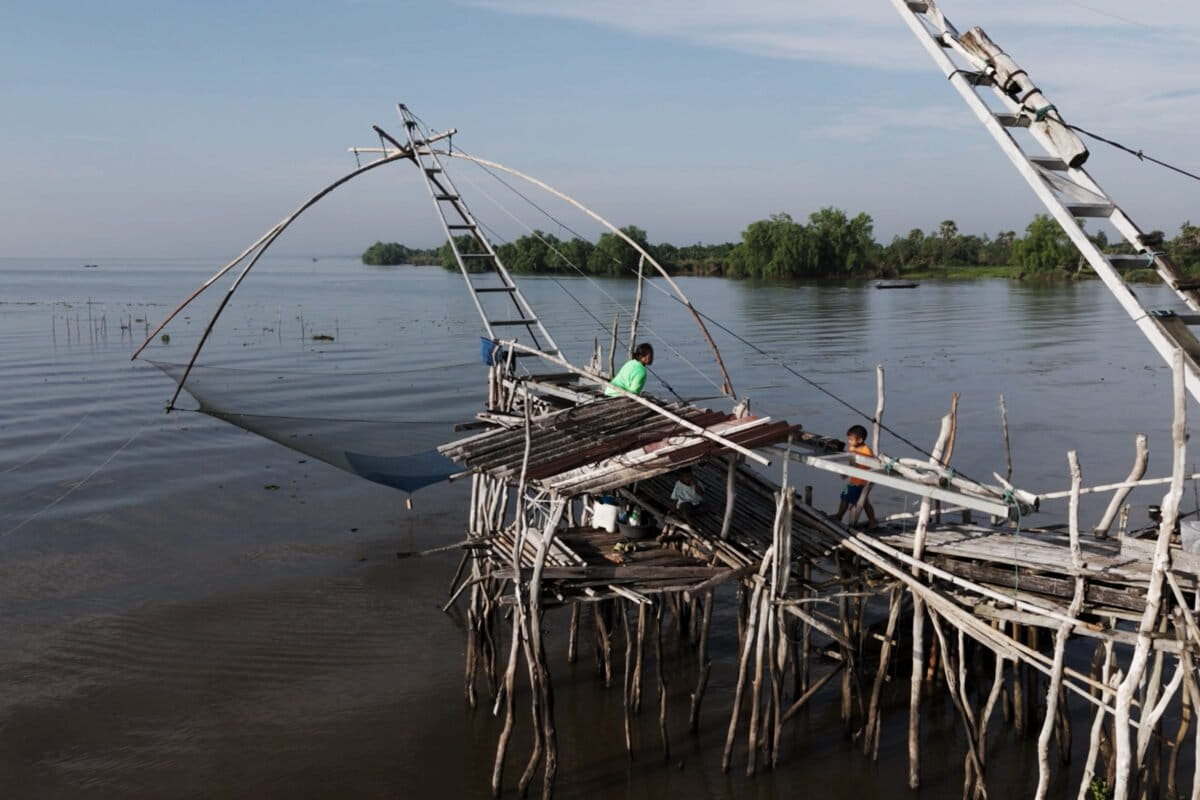
The giant nets, some as tall as houses, once dotted Songkhla Lake by the hundreds. Gravity-powered and elegant, they could pull in enough fish to earn a family 4,000 to 5,000 baht (about $115 to $145) in a single day. Now only 30 Yo Yak structures remain, and most days bring nothing but empty nets.
Pollution has devastated the lake's fish population, particularly the Luk Bre fish that sustained communities here for generations. Jampen's own child left for Bangkok after school, choosing steady work over the fading fishing life. It's a story repeating across the lake as young people leave and ancient knowledge disappears with them.
But something remarkable is happening in these same waters. A team of researchers launched the "Searching for Luk Bre" project, studying everything from fish migration patterns to traditional processing methods. They're using GIS mapping to track exactly where fish populations have declined and why.
The real magic comes from an unlikely partnership. Thirty-five local volunteer fishers now work alongside the scientists, building fish shelters in conservation zones to create nursery grounds for juvenile fish. These structures give young fish safe places to grow, combining traditional fishing wisdom with modern conservation science.
The Ripple Effect
The collaboration is already changing how communities and governments think about the lake. The GIS data provides hard numbers that show what fishers have known for years: the fish are vanishing. This evidence gives local voices the weight they need when talking to government agencies about lake management.
The fish shelters represent something bigger than conservation. They're a bridge between generations, a reason for young people to stay, and proof that traditional ways of life can adapt and survive. Tourism, income, and culture all depend on bringing the fish back.
Jampen still tends her nets and dreams of her children returning home. The volunteers keep building shelters, researchers keep mapping, and slowly the community is writing a new chapter for an ancient tradition.
The Yo Yak may be massive, but saving them starts small: one shelter, one partnership, one community refusing to let go of what matters.
More Images
Based on reporting by Mongabay
This story was written by BrightWire based on verified news reports.
Spread the positivity!
Share this good news with someone who needs it