Thailand's Clean Air Bill Passes 611-3 After 6-Year Push
After six years of citizen advocacy, Thailand's parliament has overwhelmingly voted to recognize clean air as a protected public right. The landmark bill could transform how the nation tackles its deadly seasonal smog crisis.
Thailand just took a massive step toward breathing easier. Last week, lawmakers voted 611 to 3 to advance the Clean Air Act, bringing the country closer to solving an air pollution crisis that sends millions to hospitals every year.
The story started in 2019 when concerned citizens and environmental groups proposed the bill. Seven different draft versions were combined into one powerful piece of legislation that finally reached parliament after years of advocacy and political delays.
The numbers tell a sobering story about why this matters. More than 32,000 Thais die prematurely each year from air pollution, according to the World Health Organization. In 2023 alone, around 10 million people needed medical care for pollution-related illnesses.
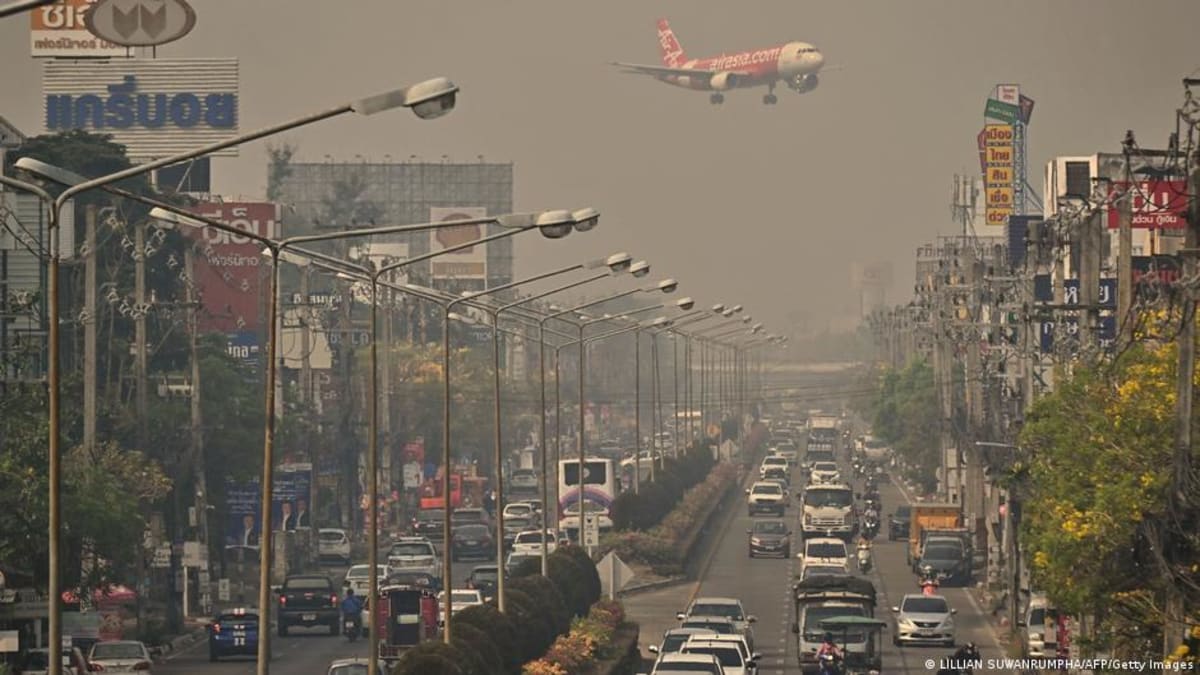
Thailand's worst air crisis hits from December to April, when farmers burn crop stubble, forest fires rage, and vehicle emissions combine with stagnant weather. The result is a thick blanket of toxic smog that makes cities like Chiang Mai nearly invisible from nearby hills.
The new law would create Thailand's first coordinated national framework for clean air. Right now, pollution rules are scattered across different laws with no single agency in charge.
Under the bill, major polluters in industry, transport and agriculture would pay fees and fines for the damage they cause. Local governments would gain new power to respond quickly when air quality becomes dangerous.
One of the most innovative parts creates a Clean Air Fund to help farmers move away from burning practices. The bill would also support community air-quality monitoring, giving everyday citizens a real voice in protecting their neighborhoods.
The bill now heads to the Senate for review before going to the prime minister and king for final approval. Some lawmakers worry about enforcement and costs to businesses, but Prime Minister Anutin Charnvirakul has publicly backed the legislation.
The Ripple Effect
This victory shows what citizen action can achieve. A grassroots coalition spent six years pushing this bill through political changes and setbacks, never giving up on the right to breathe clean air.
Professor Piyapong Boossabong from Chiang Mai University notes that Thailand has passed progressive laws before that weren't enforced. But the overwhelming 611-3 vote signals something different this time: a national consensus that clean air isn't optional.
The bill's supply chain provisions could also pressure neighboring countries to reduce agricultural burning that drifts across borders. When one nation takes bold action on transboundary pollution, it creates momentum for regional change.
For 10 million Thais who sought medical care last year because they couldn't safely breathe their own air, this law represents hope that the next burning season might finally be different.
Based on reporting by DW News
This story was written by BrightWire based on verified news reports.
Spread the positivity!
Share this good news with someone who needs it