89-Year-Old Has Two Antarctic Landmarks Named After Him
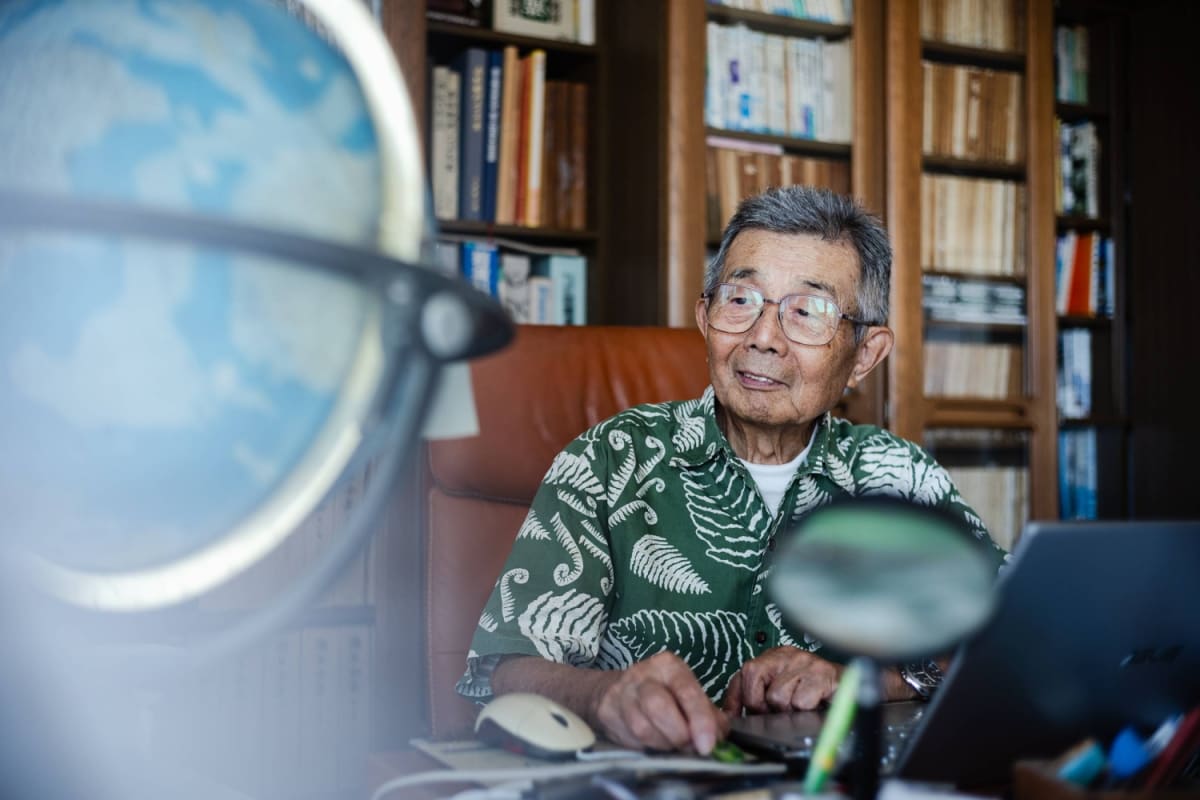
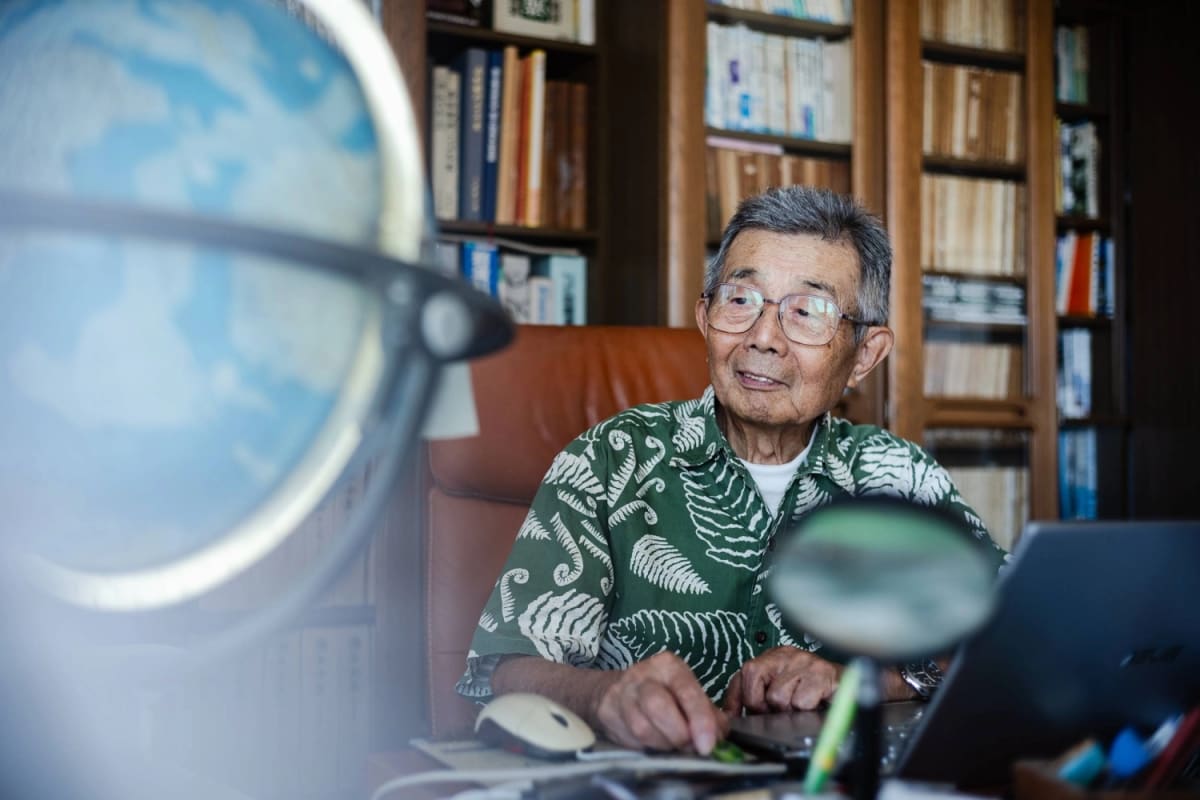
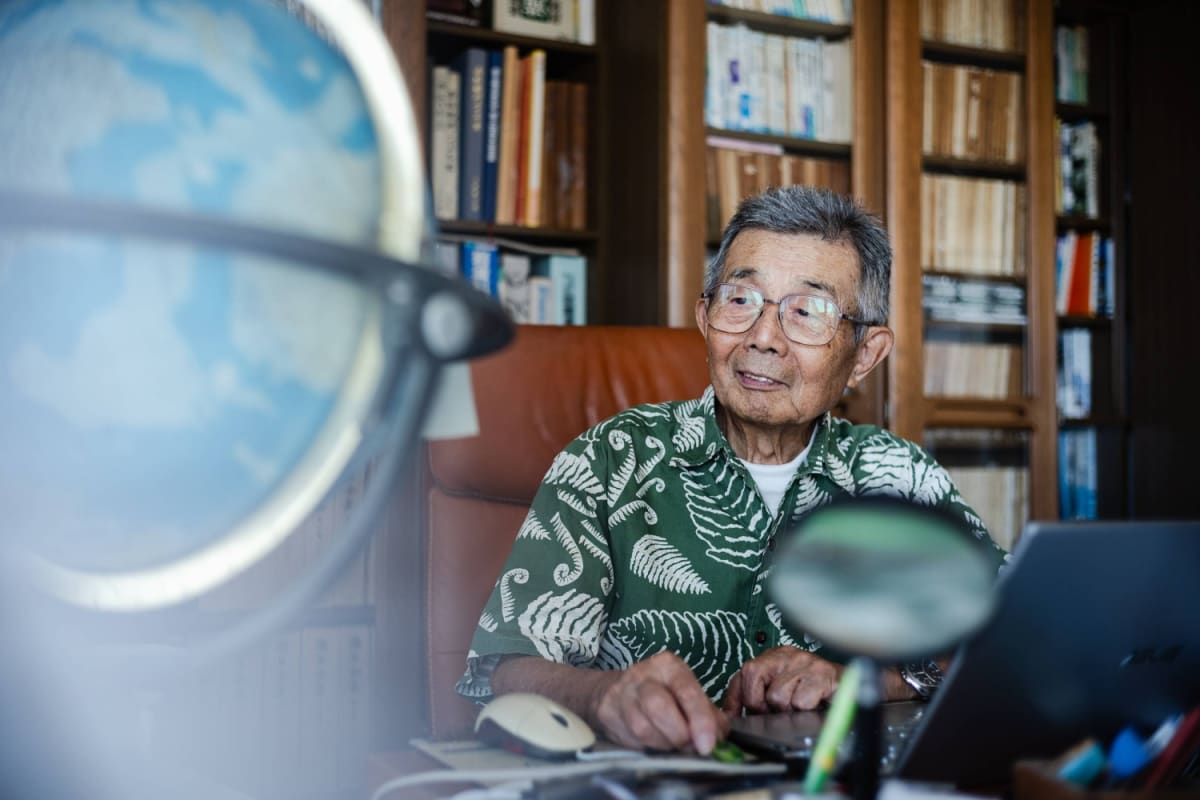
A Japanese scientist who couldn't handle space travel found his frontier on Earth instead. After 13 trips to Antarctica and decades of groundbreaking research, Katsutada Kaminuma now has two Antarctic landmarks bearing his name.
When Katsutada Kaminuma realized the spinning rides at Tokyo's amusement park made him too nauseous for space travel, he didn't give up on exploration. He simply looked for untrodden ground closer to home.
That decision led the now 89-year-old geophysicist to Antarctica more than a dozen times since 1966. His contributions to polar science earned him an honor few researchers receive: two places named after him on the frozen continent.
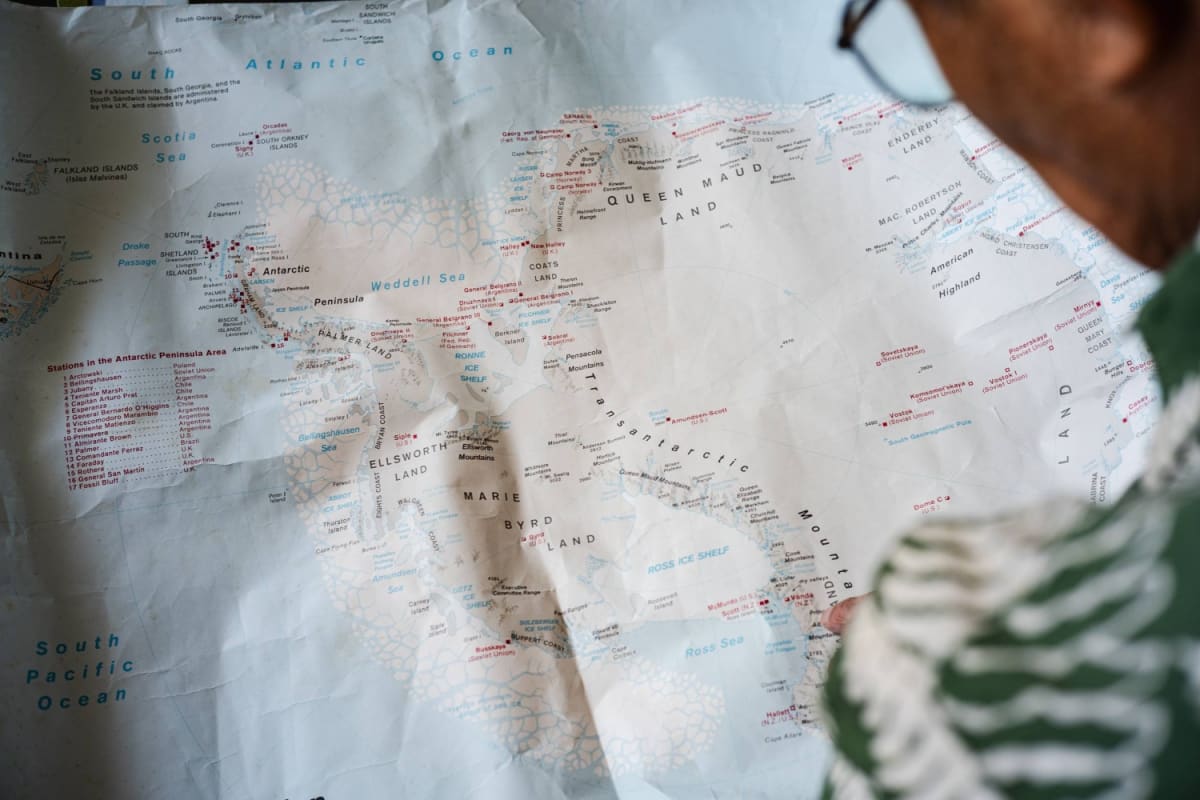
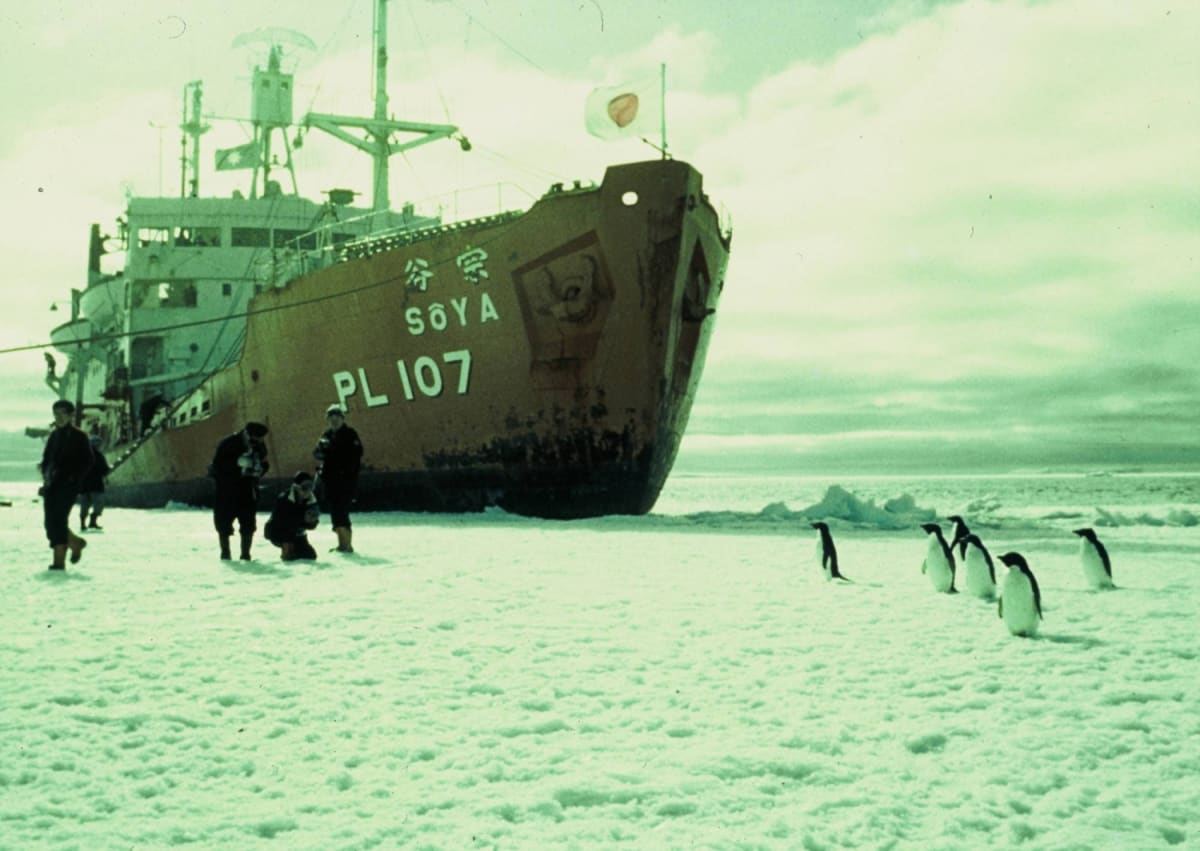
Kaminuma Crag and Kaminuma Bluff now mark the Antarctic landscape, a testament to his decades studying everything from seismic activity to meteorite searches. He specialized in earthquake research, installing critical seismograph equipment at Japan's Syowa Station during the Cold War to detect underground nuclear tests.
The young researcher got his big break in 1965 when the University of Tokyo invited him to join Japan's 8th Antarctic expedition. He accepted immediately, remembering how he'd dreamed of exploring virgin territory since middle school.
His timing proved perfect. When Kaminuma arrived, unexplored areas still existed in Antarctica, and his expedition leader allowed him to venture beyond where anyone had walked before. "It's not in the Guinness World Records or anything, just personal satisfaction," he recalls. "But it was wonderful."
His work took him beyond Japan's research station too. For about 10 years, Kaminuma became what he calls a "seasonal laborer," collaborating with American and New Zealand teams around McMurdo Station. He eventually visited those international bases more often than Japan's own Syowa Station.
The collaboration served a strategic purpose during a resource-hungry era. In the 1970s, when oil companies sent representatives to Antarctic conferences, Japan needed to demonstrate research presence in resource-rich regions. Kaminuma's international work helped establish that footprint while keeping Antarctic science free from pure geopolitical interests.
Why This Inspires
Kaminuma turned a physical limitation into a lifetime of discovery. His willingness to pivot from space dreams to Earth's most remote continent shows how obstacles can redirect us toward unexpected achievements.
At 89, he's still writing, currently finishing his latest book about 70 years of Antarctic observation at Syowa Station. He serves apple juice with ice from Antarctica to visitors, sharing stories of a frontier he helped map and understand.
His journey proves that when one frontier closes, another opens, sometimes leading to places even more remarkable than originally imagined.
More Images
Based on reporting by Japan Times
This story was written by BrightWire based on verified news reports.
Spread the positivity!
Share this good news with someone who needs it