Antarctic Chef Learns Zero-Waste Living in Earth's Harshest Place
A Japanese chef spent a year feeding 30 scientists in Antarctica and discovered life-changing lessons about sustainability. Her experience cooking with one year's worth of food, no resupply, transformed how she lives today.
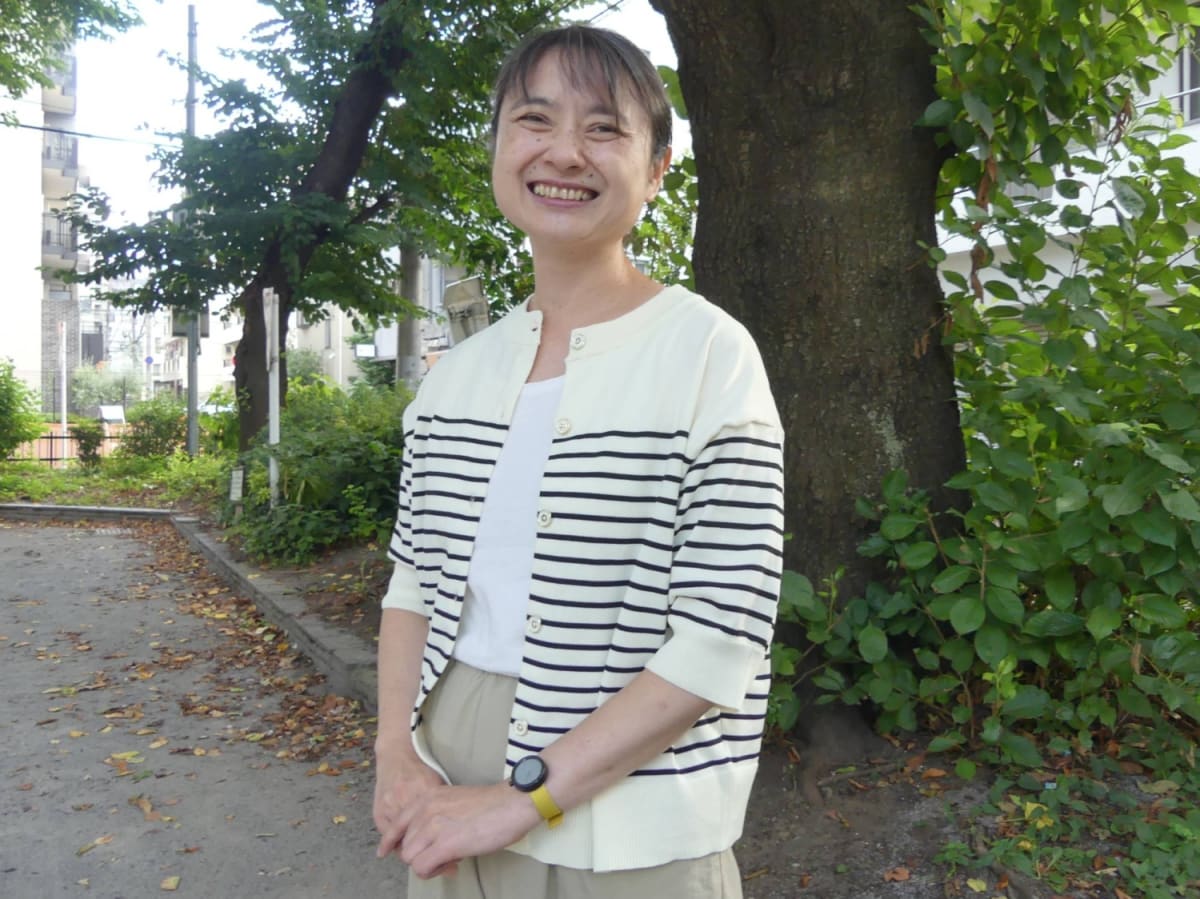
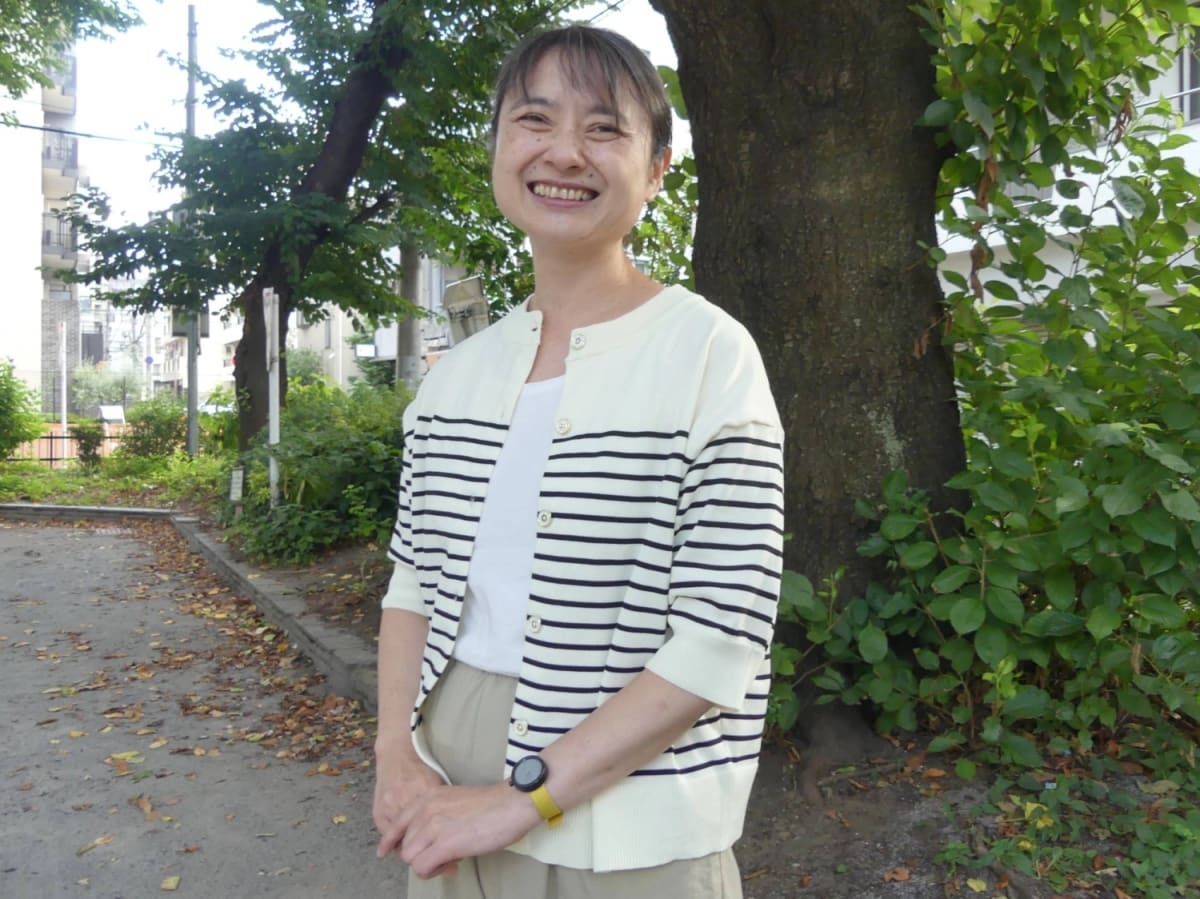
Junko Watanuki cooked her way through one of Earth's most extreme environments and came home with lessons that changed her life forever.
The 52-year-old chef spent a year at Japan's Syowa Station in Antarctica, where she fed 30 expedition members with zero opportunity to restock supplies. Every ingredient had to last 12 months, and every scrap of waste had to be packed up and shipped back to Japan to protect the pristine environment.
Watanuki's journey to Antarctica took years of determination. After watching a 2009 comedy film about an Antarctic chef, she became obsessed with the idea. She trained at an izakaya to learn speed cooking, frequented an eatery run by a former Antarctic chef to hear their stories, and failed the expedition exam twice before finally succeeding on her third try.
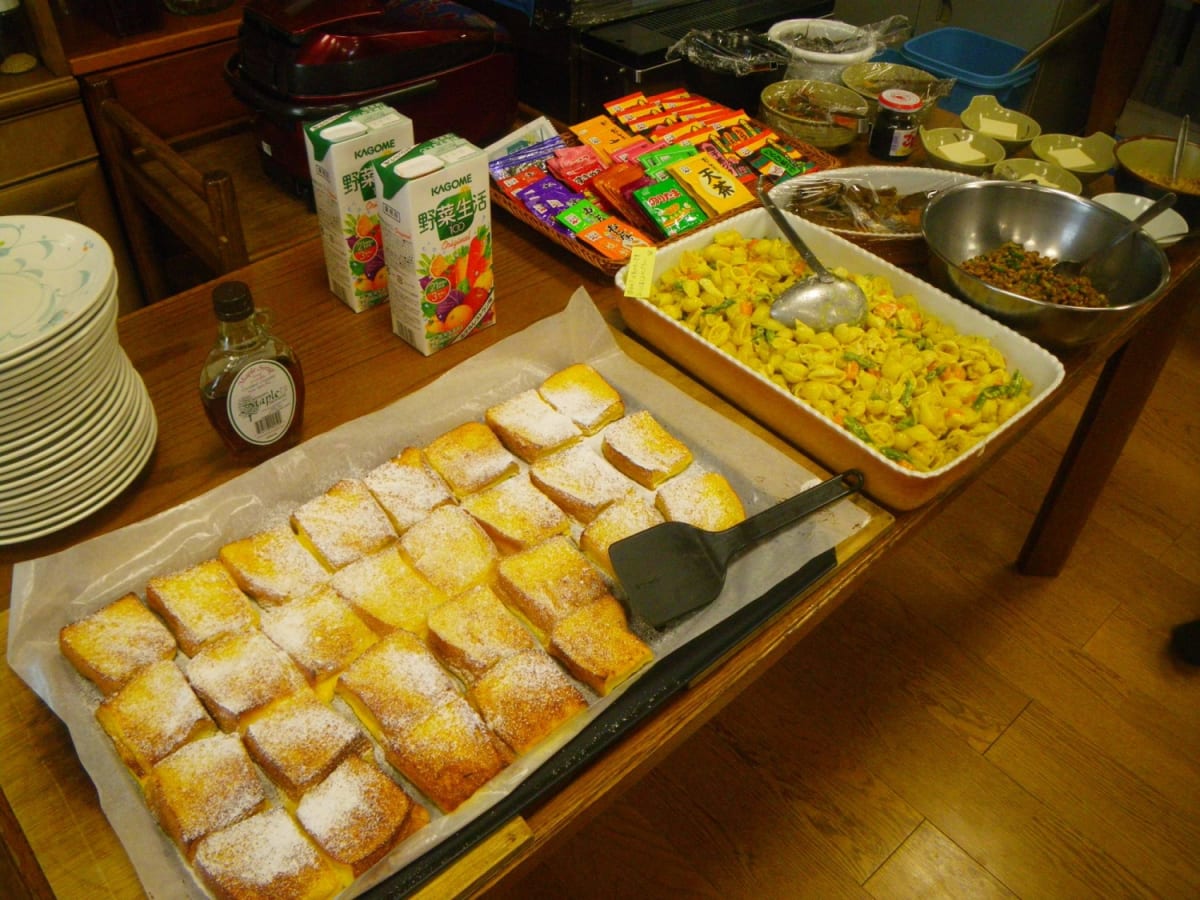
The first months at Syowa Station terrified her. She rationed eggs carefully, using only 20 at a time instead of 30, constantly worried about running out. Eventually, she found her rhythm and even organized elaborate events, including recreating Tokyo's famous Jiro ramen shop on the ice, complete with homemade chicken broth and 8 kilograms of bean sprouts grown in the station's greenhouse.
But Antarctica gave her more than cooking stories. Living there opened her eyes to human impact on the planet in ways she never imagined. Researchers showed her real-time data where carbon dioxide levels spiked when ships approached, even before they were visible on the horizon.
The air itself taught her lessons. In Antarctica's pristine atmosphere, human breath doesn't appear white because there are so few aerosols. Near snowmobiles and generators, exhaust clouds became starkly visible. Just existing there meant burdening the environment.
Why This Inspires
Watanuki's return to Japan hit hard. She cried in a supermarket deli section, thinking about all the food destined for trash bins. Tokyo's bustling streets and fast-moving screens overwhelmed her after a year of simplicity.
Nearly a decade later, she lives by the lessons Antarctica taught her. She wrote a book about her experience and gives lectures on sustainability and food waste. Her message focuses on small, achievable changes rather than overwhelming goals.
"If you just try to reduce the amount of tissue paper you use from two sheets to one at a time, you can also reduce waste by half," she says. She refuses unnecessary giveaways, carefully manages every purchase, and has completely rethought what "enough" means.
Her time feeding scientists at the bottom of the world showed her that living with less isn't deprivation. Antarctica gave her clarity about what truly matters and the determination to share those insights with anyone who will listen.
More Images
Based on reporting by Japan Times
This story was written by BrightWire based on verified news reports.
Spread the positivity!
Share this good news with someone who needs it