90,000 Trees Tackle Toxic Dust in Aral Sea Desert
The dried bed of the Aral Sea is getting a green makeover with 90,000 hardy saxaul trees planted across 90 hectares to fight toxic dust storms affecting millions. This bold partnership between the UN and local organizations is turning one of Earth's worst environmental disasters into a story of restoration.
A massive tree-planting campaign is bringing life back to one of the harshest landscapes on Earth: the dried bed of the Aral Sea in Uzbekistan.
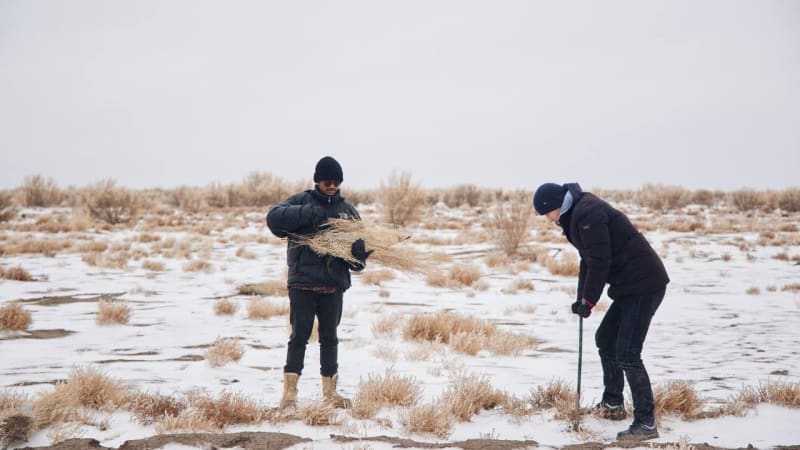
The United Nations Development Programme, the Art and Culture Development Foundation of Uzbekistan, and Aral School have joined forces to plant 90,000 saxaul and other salt-loving seedlings across 90 hectares of the barren Aralkum desert. Experts and students worked together in the field to plant the hardy species that can survive the extreme conditions, including brutal temperatures swinging from negative 30 to 45 degrees Celsius, high salt levels, and constant dust storms.
The Aral Sea once stood as one of the world's largest lakes. Today, its dried seabed releases toxic dust storms that affect the health of millions of people across the region, making restoration urgent and deeply personal for local communities.
Saxaul trees are uniquely built for this challenge. A single mature shrub can hold up to four tons of shifting sand with its roots reaching 10 to 15 meters deep into the ground. Each hectare of saxaul absorbs more than 1,100 kilograms of carbon dioxide every year, and seven-year-old plantations reduce ground-level wind speed almost to zero.
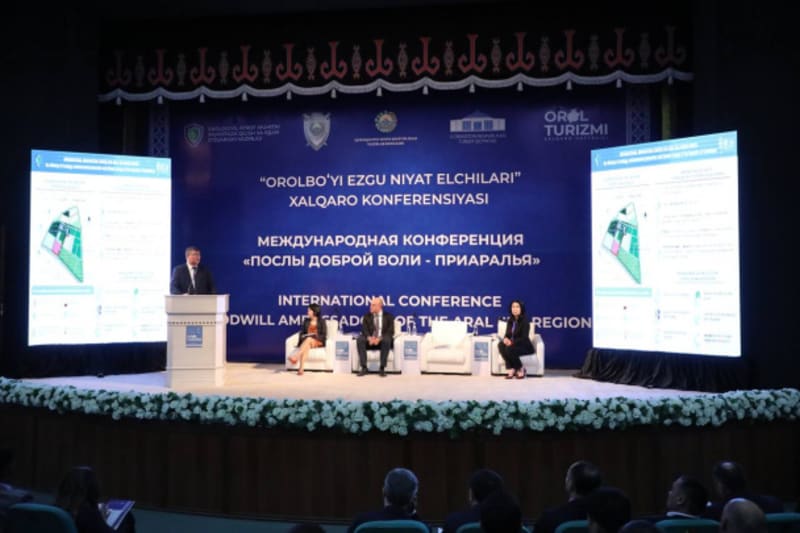
Gayane Umerova, who leads the Art and Culture Development Foundation, explained that Aral School brings together people from different fields including design, ecology, science, and culture. "It is at their intersection that new solutions emerge," she said, adding that working with UNDP allows them to put these ideas into action directly in communities.
The Ripple Effect
The seedlings came from local nurseries, ensuring they're fully adapted to survive the brutal conditions. This careful preparation increases their chances of taking root and growing into the dust-fighting force the region desperately needs.
Akiko Fujii, the UN Development Programme's representative in Uzbekistan, emphasized that technical solutions alone won't save the Aral region. True restoration requires partnerships that recognize education, science, and culture as essential parts of environmental recovery, she noted.
The planting campaign connects to the larger Green Aral Sea crowdfunding initiative launched by the UN in March 2020. Aral School, an environmental education program led by bioregional designer Jan Boelen, runs its first pilot course from January to June 2026, training a new generation to reimagine restoration work.
These 90,000 trees represent more than carbon capture and dust control: they're seeds of hope for communities learning to heal one of humanity's most devastating environmental mistakes.
More Images


Based on reporting by Google News - Reforestation
This story was written by BrightWire based on verified news reports.
Spread the positivity!
Share this good news with someone who needs it