91 New Species Found After Ancient Mass Extinction
Scientists discovered 91 new animal species in a small Chinese quarry, revealing how life bounced back after a catastrophic extinction event 512 million years ago. The 50,000 fossils offer an unprecedented window into evolution's resilience.
Life found a way back, even after half the planet's animals disappeared.
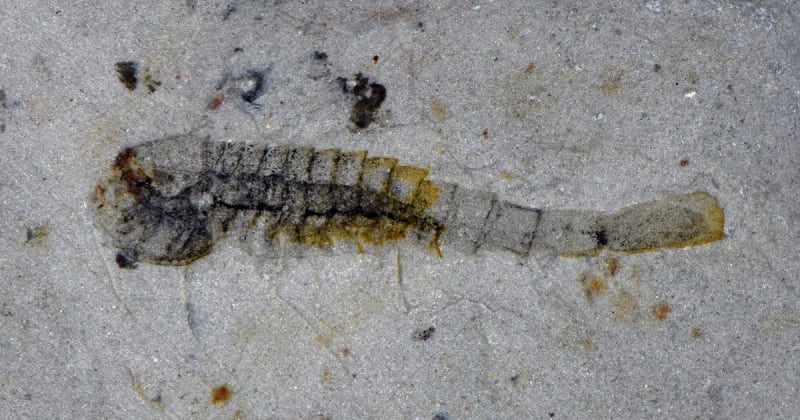
Scientists in China's Hunan province have unearthed an astonishing treasure trove: over 50,000 fossils representing more than 150 species, 91 of them completely new to science. The discovery comes from a quarry no bigger than a city bus, yet it holds secrets from one of Earth's most dramatic comebacks.
The fossils date to roughly 512 million years ago, right after the Sinsk event wiped out up to half of all animal life on Earth. This mass extinction brought a sudden end to the Cambrian explosion, the period when most major animal groups first appeared in a burst of evolutionary creativity.
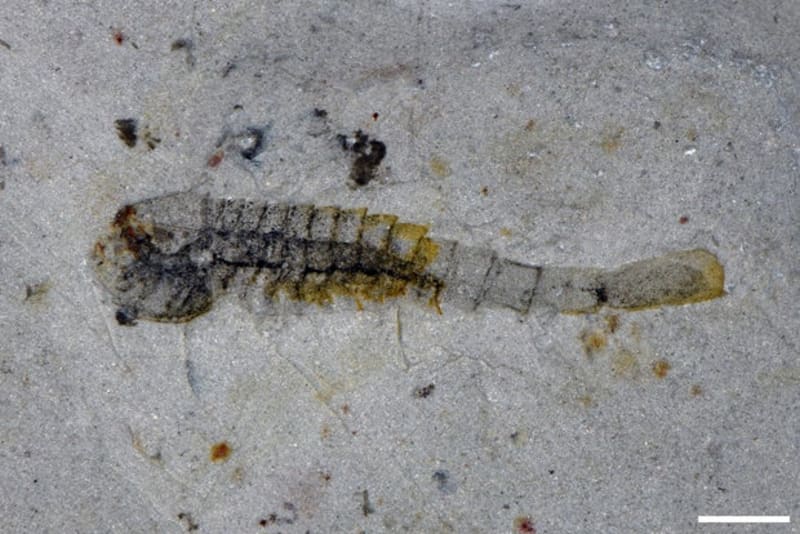
Lead researcher Han Zeng of the Chinese Academy of Sciences described the team's excitement at finding animals preserved with incredible detail. Many fossils show soft body parts including gills, guts, eyes and even nerve tissue, features that rarely survive fossilization.
Among the ancient creatures were spiny, stalk-eyed predators called radiodonts, along with early relatives of worms, sponges, jellyfish, crabs and insects. These animals represent the first major discovery of soft-bodied fossils from directly after the Sinsk extinction event.
The findings reveal something surprising about survival. Michael Lee, an evolutionary biologist not involved in the research, notes the fossils show that deep-water animals survived the extinction better than shallow-water species. The deep ocean's stable environment acted like a shelter, buffering life from the catastrophic changes happening above.
The Ripple Effect
Perhaps most remarkable is what the fossils reveal about early animal mobility. The Chinese team found species previously known only from Canada's Burgess Shale, located halfway around the world. This suggests that even 512 million years ago, tiny larvae could ride ocean currents across vast distances, spreading life to new habitats.
The discovery highlights how even Earth's most devastating events don't write the final chapter. The Sinsk event is just one of at least 18 mass extinctions scientists have identified over the past 540 million years, and each time, life adapted and persevered.
These ancient survivors carried forward the genetic legacy that would eventually lead to every animal alive today, including us. Their resilience in the face of catastrophe offers a powerful reminder that life, given time, finds remarkable ways to recover and thrive.
More Images
Based on reporting by Google News - Science
This story was written by BrightWire based on verified news reports.
Spread the positivity!
Share this good news with someone who needs it


%2Fhttps%3A%2F%2Ftf-cmsv2-smithsonianmag-media.s3.amazonaws.com%2Faccounts%2Fheadshot%2FSara_-_Headshot_thumbnail.png)