A $200 Camera Could Triple LIGO's Black Hole Discoveries
Scientists just solved a multimillion-dollar problem at the world's most sophisticated gravitational wave detector using an ordinary thermal camera. The simple fix will let LIGO detect cosmic collisions 33 million light-years farther into space.
Sometimes the most elegant solutions to complex problems come from the hardware store, not a research lab.
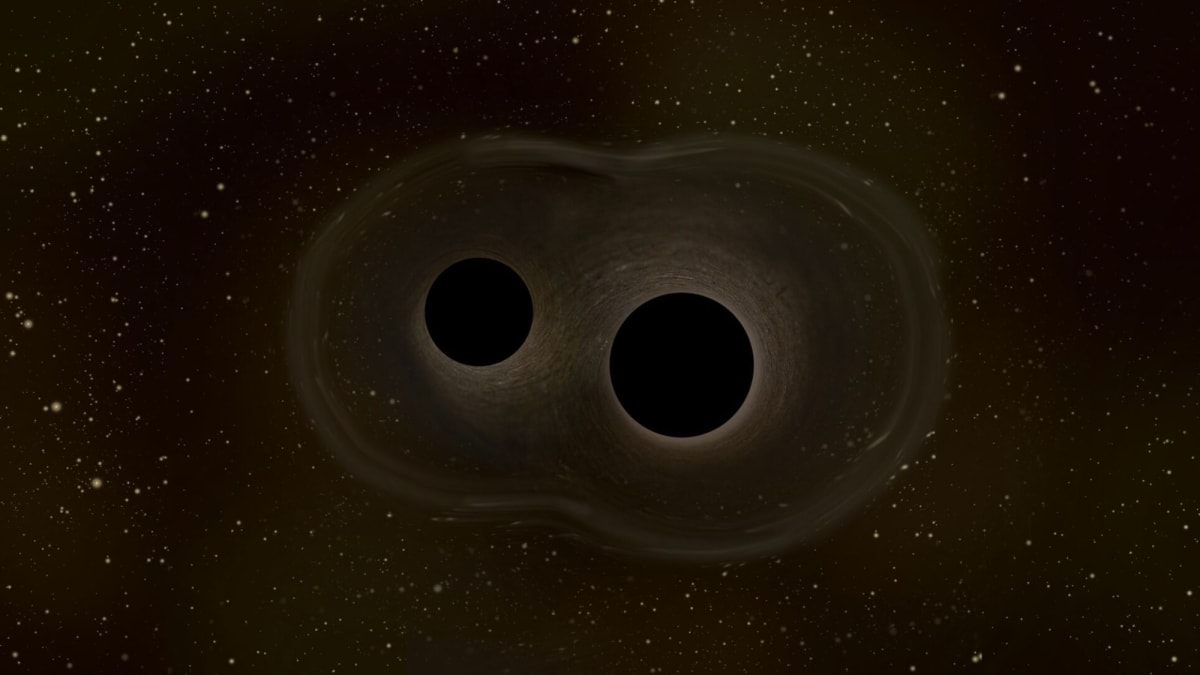
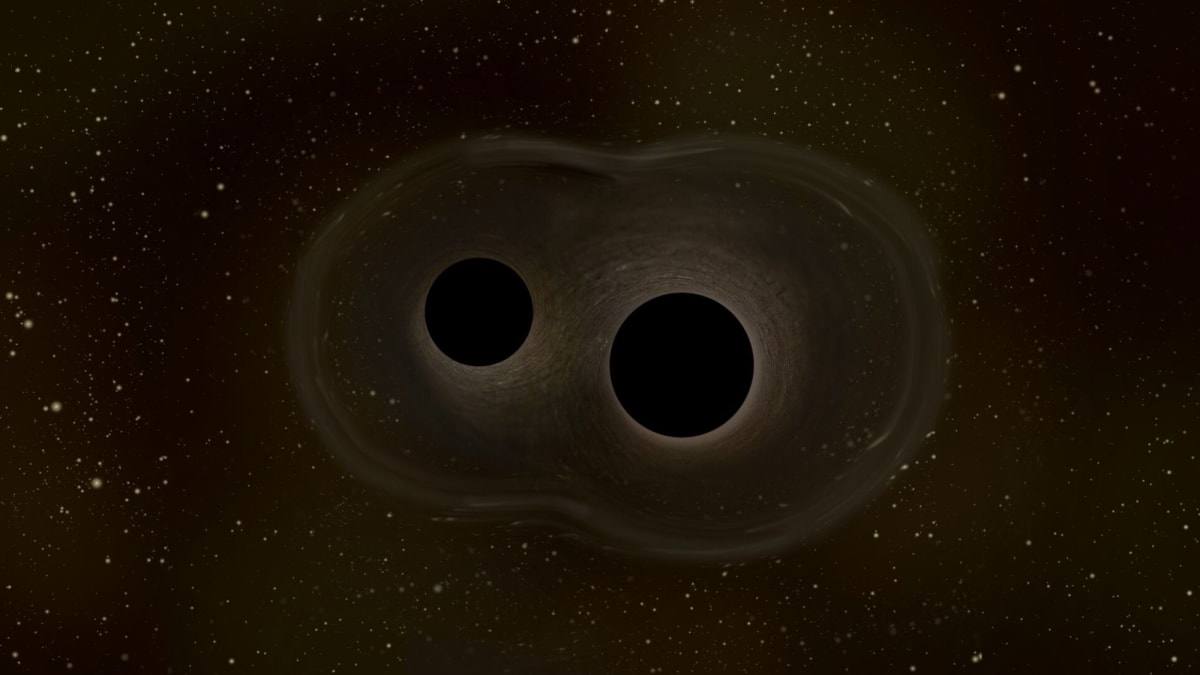
Scientists at the Laser Interferometer Gravitational-Wave Observatory (LIGO) have been chasing a stubborn problem for years. Their ultra-precise mirrors, which detect ripples in spacetime from colliding black holes, kept getting slightly warped by heat from their own laser beams. Those tiny distortions, just a few nanometers, were limiting how far into the universe LIGO could see.
The solution? A regular thermal imaging camera you could buy online.
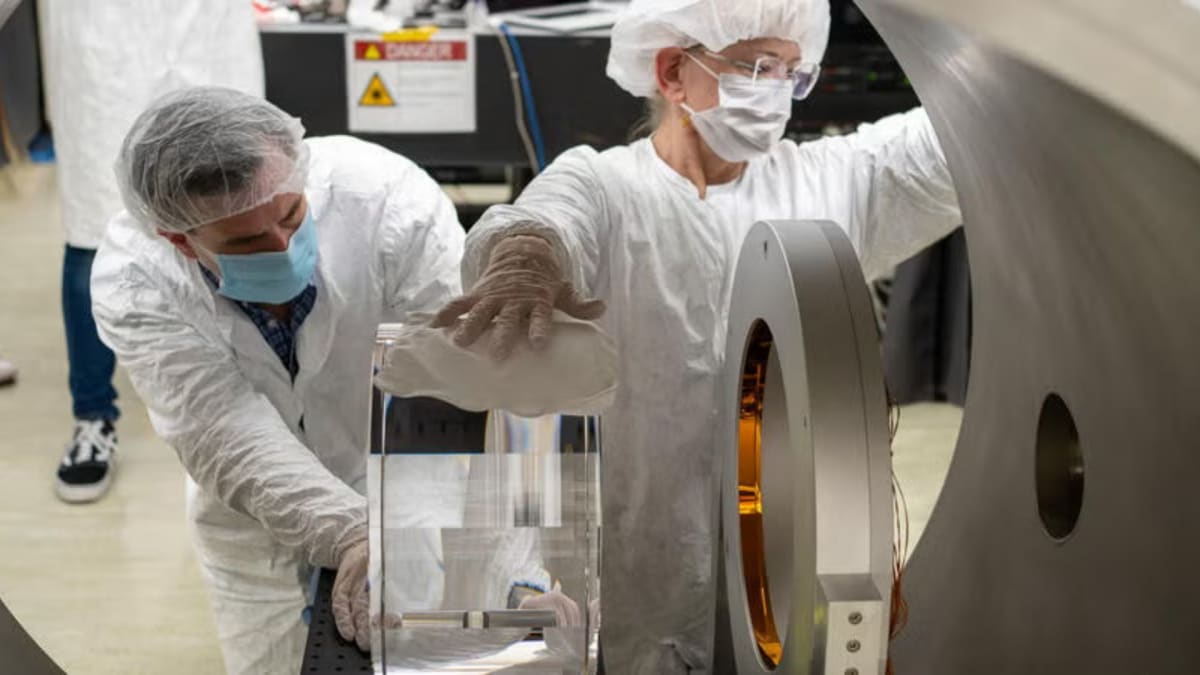
Jonathan Richardson and his team at the University of California, Riverside, paired off-the-shelf infrared cameras with computer models to map exactly how heat distorts the mirrors. With that map, they can now apply corrective heat to the mirror's backside with pinpoint precision, canceling out the warping.
"It doesn't require any new technology development, which is almost unheard of for solving a LIGO instrumentation problem," Richardson said.
The fix extends LIGO's reach by 33 million light-years. That might sound modest, but space expands in three dimensions. A small increase in distance opens an exponentially larger volume of the universe to observation.
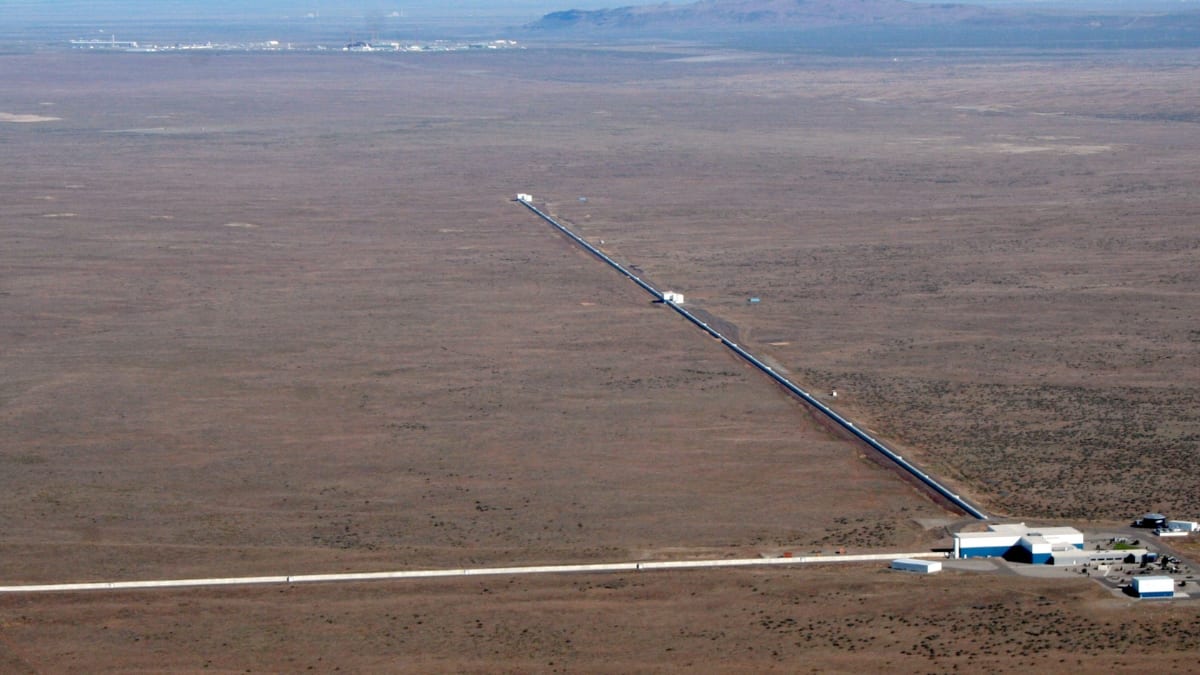
LIGO detects gravitational waves using twin L-shaped facilities in Washington and Louisiana. Each facility shoots laser beams down 2.5-mile-long tunnels, bouncing them off mirrors polished to reflect 99.9999% of light. When gravitational waves from cosmic collisions pass through Earth, they stretch and squeeze space itself, creating microscopic changes in the laser beams that scientists can measure.
Why This Inspires
This breakthrough shows how creative thinking can sometimes outperform throwing money at a problem. The technique works so well it's already being incorporated into Cosmic Explorer, a next-generation detector planned for the mid-2030s with arms 10 times longer than LIGO's.
Richardson's team essentially took the same approach a mechanic uses to diagnose an engine. "You can think of it like taking an infrared picture of a car engine," he explained. "An engineer can look at the temperature pattern on the outside and infer what's happening inside the engine."
Every photon counts when you're trying to detect signals from billions of light-years away. By preserving more of those photons, LIGO will hear many more cosmic whispers from the universe's most violent events.
The research, published in Classical and Quantum Gravity in July, proves that innovation doesn't always require inventing something new.
More Images

Based on reporting by Space.com
This story was written by BrightWire based on verified news reports.
Spread the positivity!
Share this good news with someone who needs it