Search

Find uplifting stories about heroes, innovations, and solutions

14 results for "ligo"

Scientists May Have Found Dark Matter's Missing Link
InnovationJul 3

Scientists May Have Found Dark Matter's Missing Link

An unusual gravitational wave signal detected by LIGO could be the first evidence of primordial black holes, ancient objects formed moments after the Big Bang that might finally explain what dark matter actually is. If confirmed, this discovery would solve one of astronomy's greatest mysteries.

Science Daily3 min read
Scientists May Have Found First Evidence of Big Bang Holes
InnovationApr 10

Scientists May Have Found First Evidence of Big Bang Holes

Ripples in spacetime just gave us the first real hint that tiny black holes formed during the Big Bang, and they might solve the universe's biggest mystery. These primordial black holes could be the dark matter scientists have been searching for since the 1970s.

Space.com3 min read
Einstein Proven Right Again in Historic Gravity Test
Planet WinsFeb 13

Einstein Proven Right Again in Historic Gravity Test

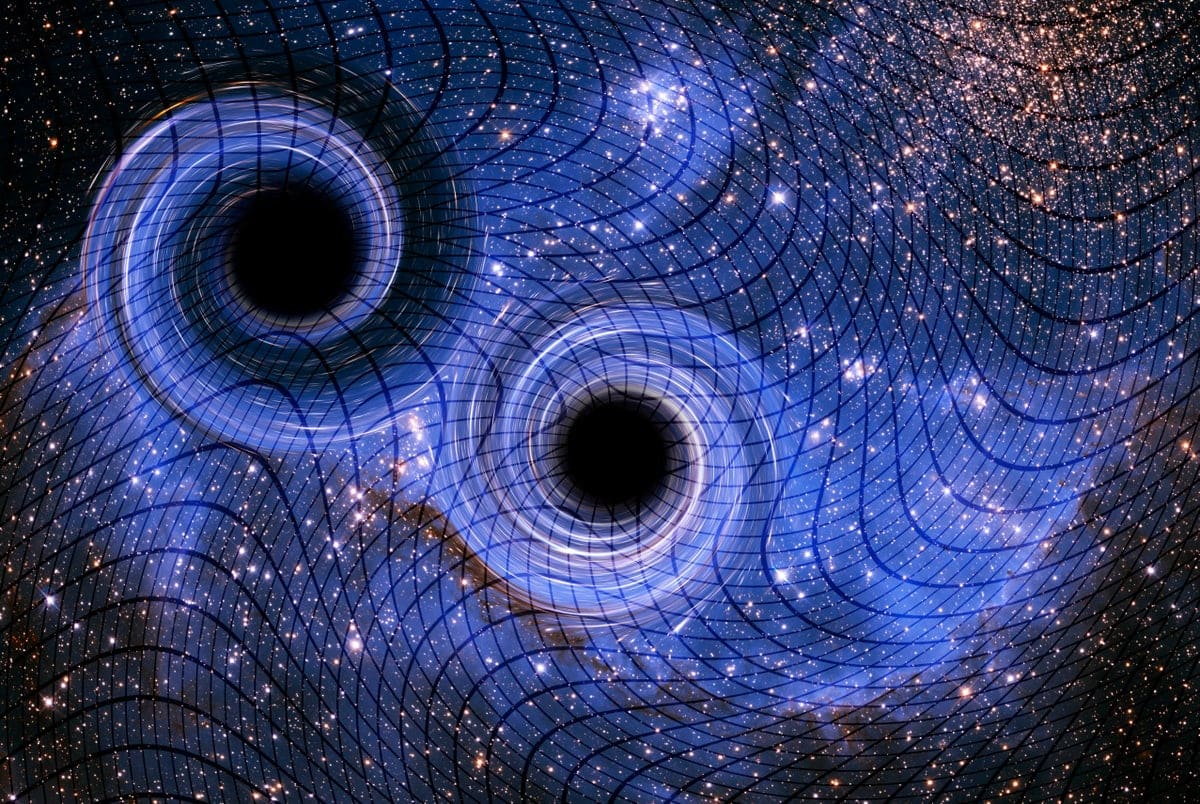
Scientists used the loudest gravitational wave signal ever detected to test Einstein's 100-year-old theory of gravity—and it passed with flying colors. The crystal-clear signal came from two black holes colliding 1.3 billion light-years away.

Google News - Science3 min read
Loudest Gravitational Wave Ever Proves Einstein Right Again
InnovationFeb 15

Loudest Gravitational Wave Ever Proves Einstein Right Again

Scientists captured the clearest gravitational wave signal in history from two colliding black holes 1.3 billion light-years away, proving Einstein's century-old theory with stunning accuracy. The breakthrough opens new doors for understanding the universe's deepest mysteries.

Google News - Science3 min read
Scientists Edge Closer to First Primordial Black Hole Find
InnovationApr 1

Scientists Edge Closer to First Primordial Black Hole Find

Researchers may have detected the first primordial black hole, mysterious objects formed in the first second after the Big Bang. The discovery could solve one of the universe's oldest mysteries.

Google News - Breakthrough Discovery2 min read
Scientists Detect 218 Gravitational Waves From Across Space
InnovationMar 17

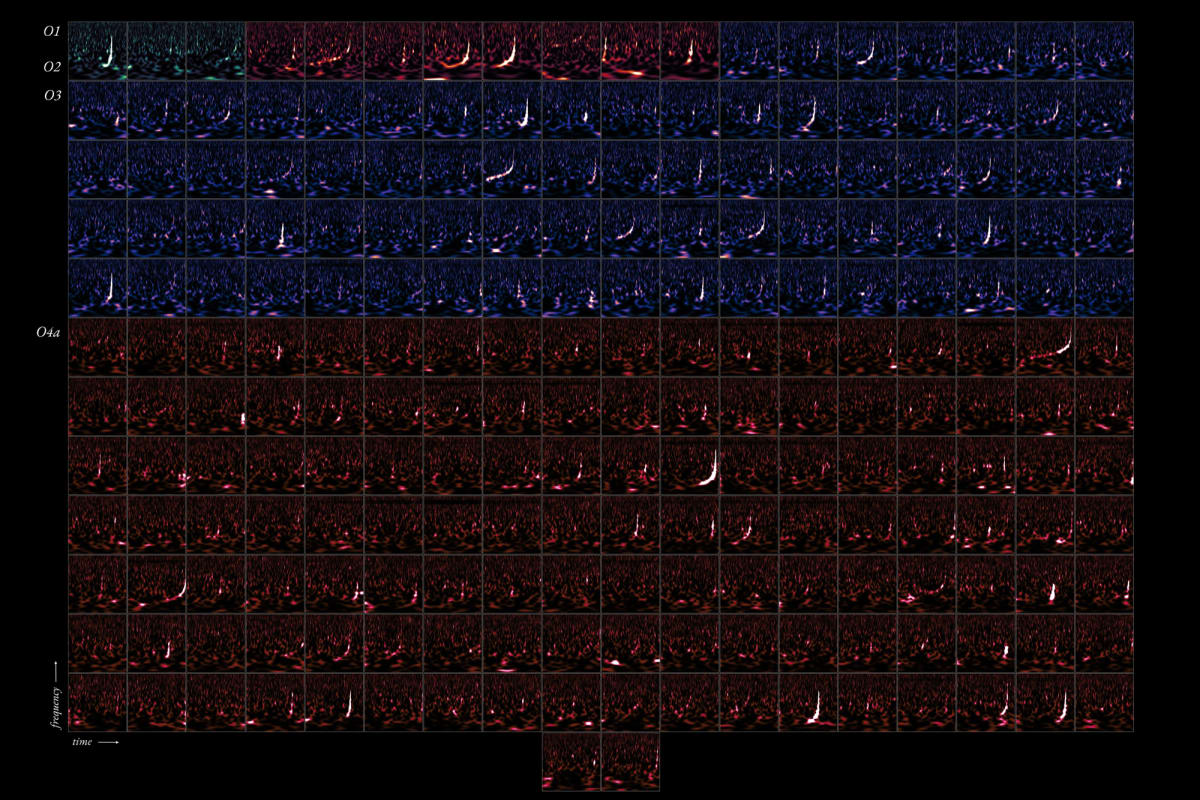
Scientists Detect 218 Gravitational Waves From Across Space

Astronomers have more than doubled their catalog of gravitational waves, detecting 218 cosmic events from colliding black holes and neutron stars across the universe. These spacetime ripples are revealing secrets about how massive celestial objects form and evolve, opening an entirely new way to study the cosmos.

Scientific American2 min read
Scientists Double Gravitational Wave Discoveries to 218
InnovationMar 5

Scientists Double Gravitational Wave Discoveries to 218

A global network of observatories just detected 128 new cosmic collisions in nine months, revealing the universe echoes with far more black hole mergers than scientists ever imagined. The discoveries include the heaviest collision ever recorded and strange new types of cosmic smash-ups.

MIT News3 min read
Scientists Detect 161 Gravitational Waves in Just 9 Months
InnovationMay 28

Scientists Detect 161 Gravitational Waves in Just 9 Months

The universe's most mysterious events are now being detected weekly as gravitational wave detectors reach record sensitivity. In less than a year, scientists spotted 161 black hole collisions, nearly doubling all previous discoveries and opening a new era of cosmic understanding.

Scientific American3 min read
Einstein Proven Right Again by Loudest Space Signal Ever
InnovationFeb 14

Einstein Proven Right Again by Loudest Space Signal Ever

Scientists just captured the clearest gravitational wave ever detected, putting Einstein's century-old theory through its toughest test yet. The cosmic signal from colliding black holes confirmed predictions with stunning precision.

Google News - Science3 min read
Scientists Find Evidence of Universe's Most Powerful Supernovae
Planet WinsApr 4

Scientists Find Evidence of Universe's Most Powerful Supernovae

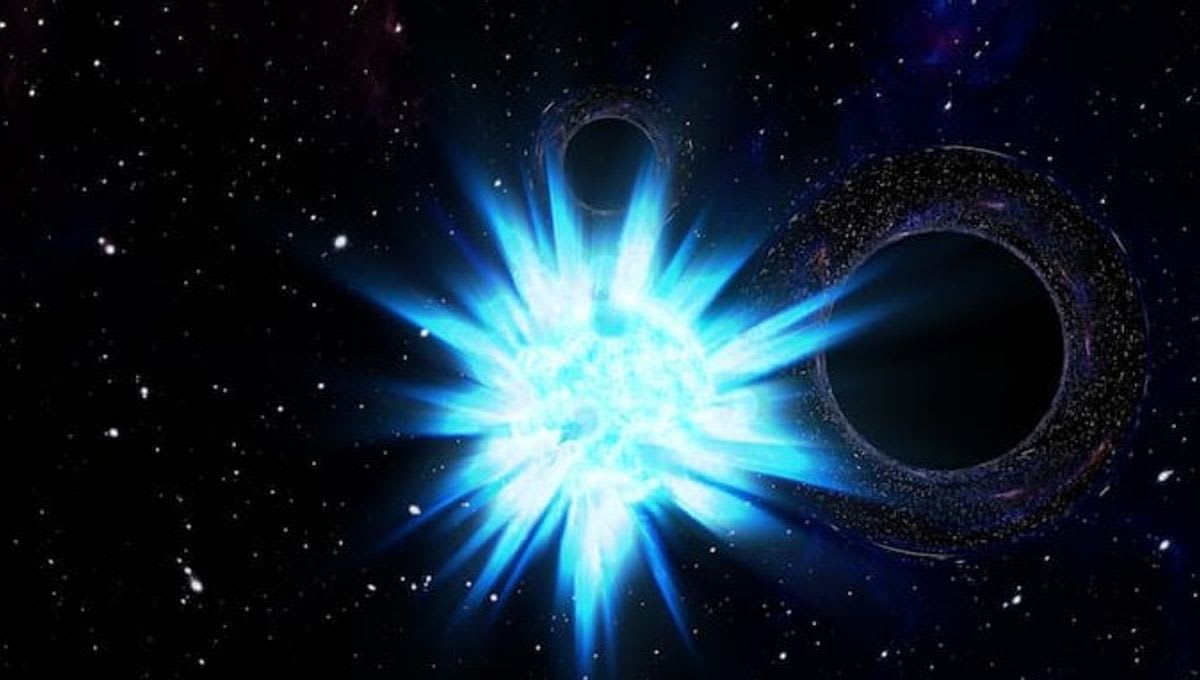
Gravitational wave data reveals proof of rare supernovae so powerful they completely vaporize stars without leaving black holes behind. The discovery helps explain a mysterious gap in black hole sizes across the cosmos.

Google News - Science2 min read
Scientists Find New Way to Measure Universe's Expansion
InnovationMar 3

Scientists Find New Way to Measure Universe's Expansion

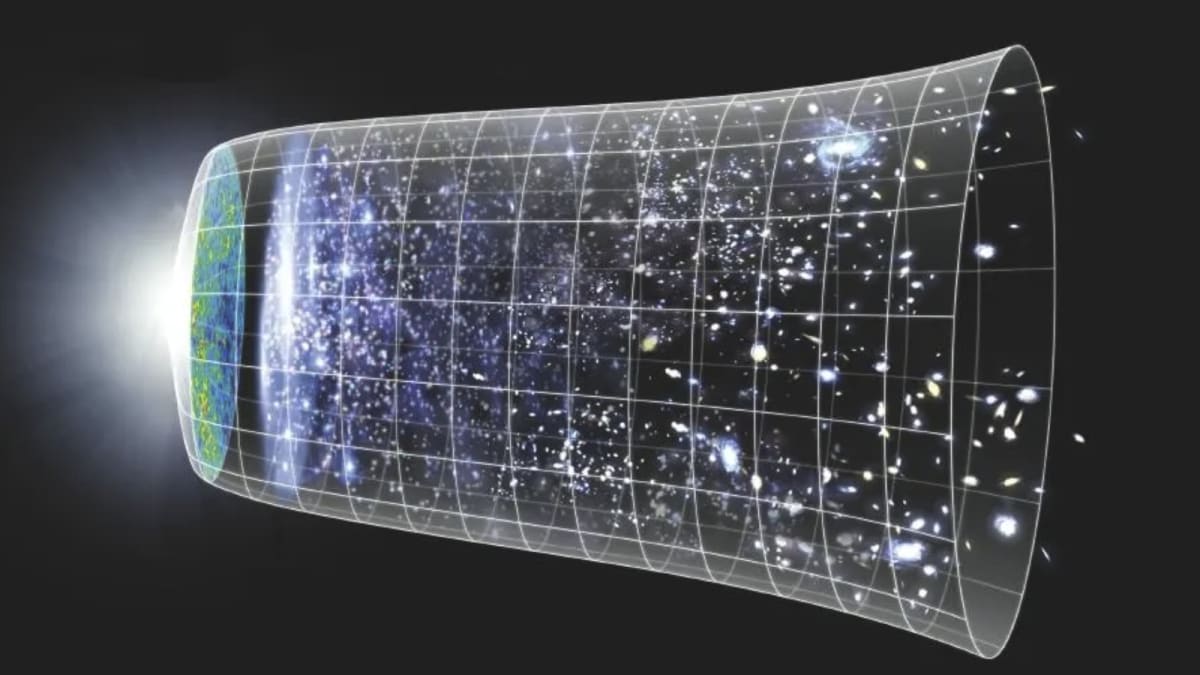
Researchers discovered how to use gravitational waves to solve one of physics' biggest mysteries: why we get different answers when measuring how fast the universe is growing. This breakthrough could finally end the decade-long "Hubble tension" debate.

Space.com2 min read
MIT AI Institute Gets $5M Boost to Reshape Physics
InnovationJun 4

MIT AI Institute Gets $5M Boost to Reshape Physics

A groundbreaking MIT program that's teaching AI to think like a physicist just scored five more years of funding. The work is solving problems scientists once thought impossible to tackle.

Google: scientific discovery2 min read
Scientists Decode Black Hole Origins Using Spacetime Ripples
Daily MixMay 8

Scientists Decode Black Hole Origins Using Spacetime Ripples

Scientists discovered the universe's biggest black holes form through violent collisions in densely packed star clusters, not from dying stars alone. Gravitational wave detectors revealed two distinct black hole populations, solving a cosmic mystery about how these giants grow.

Space.com3 min read
Scientists Build Quantum Sensors That Work in Real World
InnovationJul 3

Scientists Build Quantum Sensors That Work in Real World

Researchers created a practical guide for building ultra-precise quantum sensors that can actually work outside labs. The breakthrough could transform everything from medical imaging to navigation systems.

Google: scientific discovery3 min read