Scientists Detect 218 Gravitational Waves From Across Space
Astronomers have more than doubled their catalog of gravitational waves, detecting 218 cosmic events from colliding black holes and neutron stars across the universe. These spacetime ripples are revealing secrets about how massive celestial objects form and evolve, opening an entirely new way to study the cosmos.
Scientists are listening to a cosmic symphony that's been playing for billions of years, and they're finally starting to hear the music.
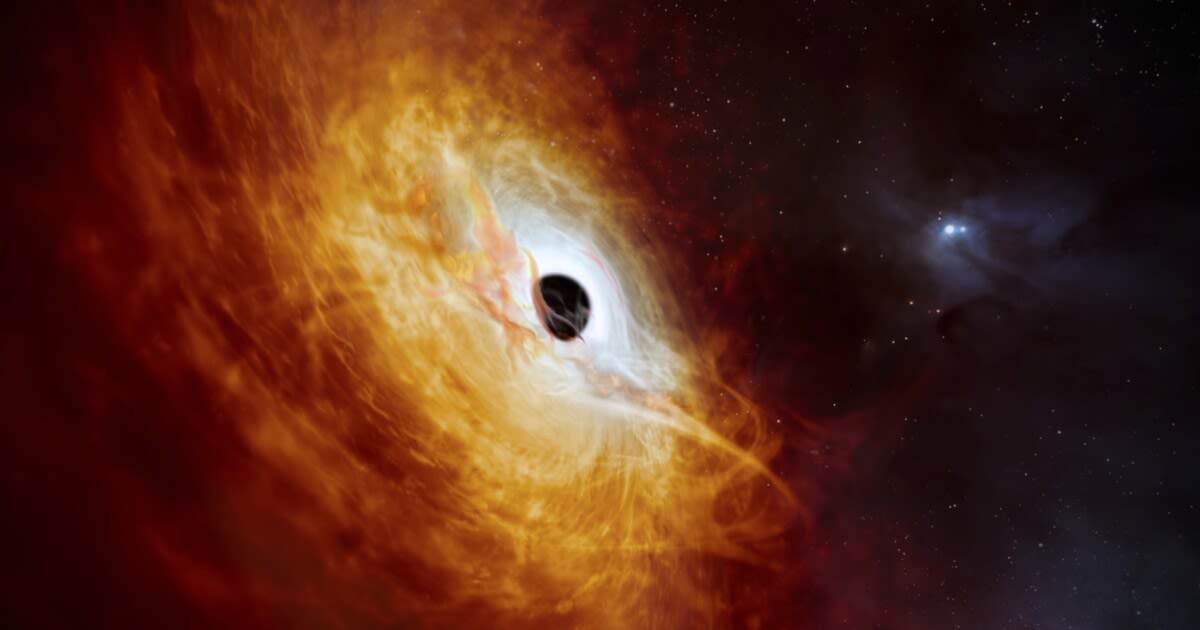
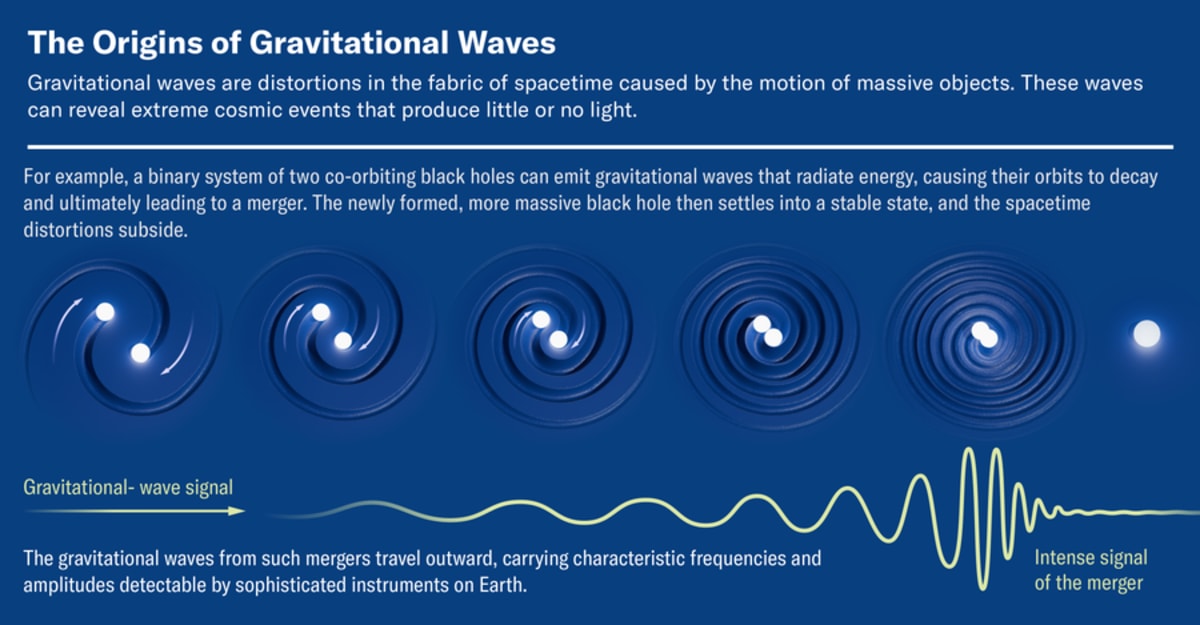
A global network of observatories has detected 218 gravitational wave events, more than double the previous count. These ripples in spacetime occur when massive objects like black holes and neutron stars collide hundreds of millions of light years away.
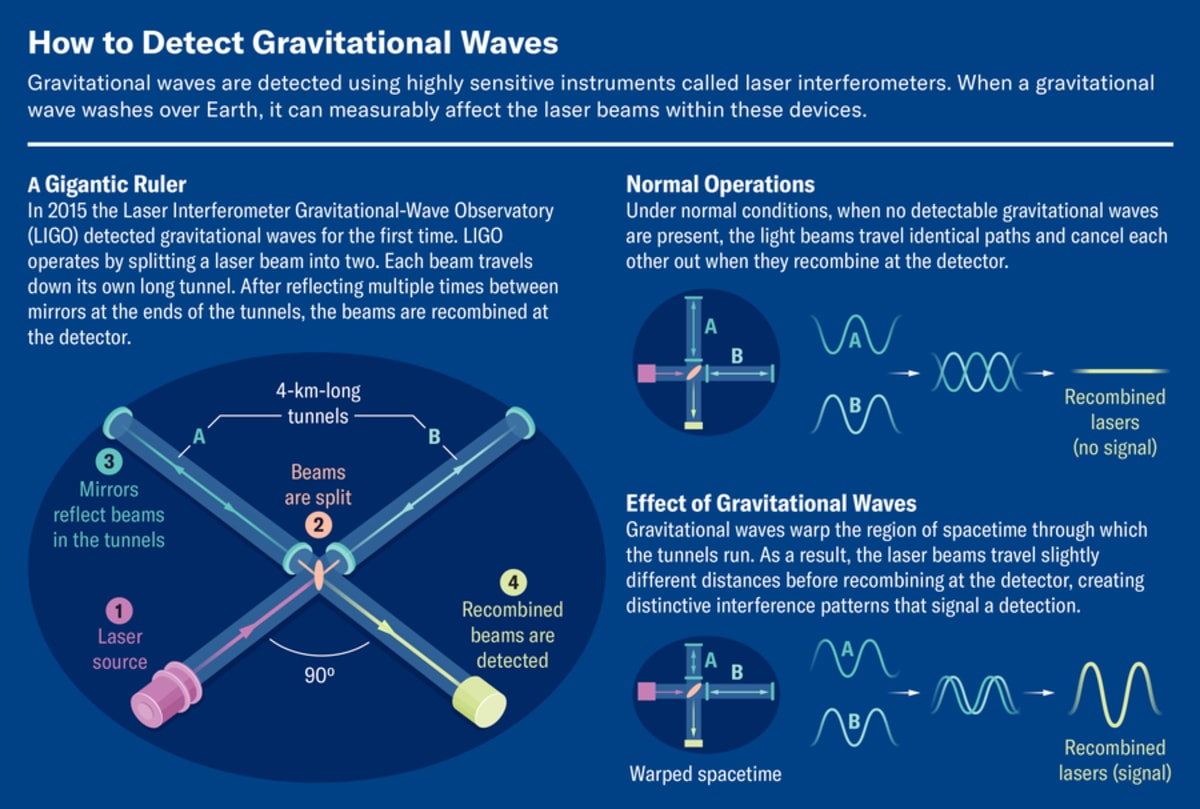
The breakthrough comes from four facilities working together: two LIGO stations in the United States, plus Virgo in Italy and KAGRA in Japan. Their latest observation period alone found more gravitational waves than the previous three periods combined.
Think of gravitational waves as a completely new sense for understanding the universe. While telescopes rely on light, these detectors pick up vibrations in the fabric of spacetime itself, revealing what's happening in places light can't reach.
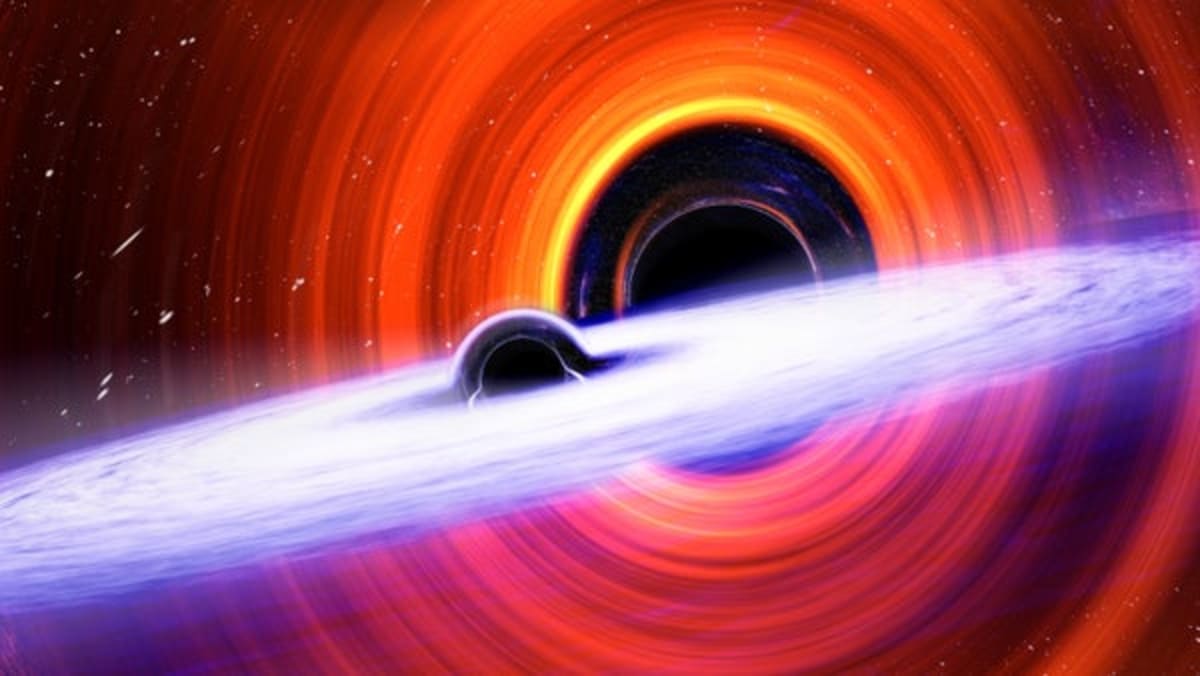
The catalog includes some jaw-dropping discoveries. GW231123 captured two abnormally heavy black holes merging into an object 225 times the mass of our sun. GW231028 recorded black holes spinning at 40 percent the speed of light as they collided.
"We're learning a lot of things that are qualitative and phenomenological from the catalog," says Jack Heinzel, a doctoral physics student at MIT and collaboration member. "Starting to see all these different structures emerge is pretty fascinating."
Why This Inspires
These cosmic fossils are helping scientists rewind the clock on the universe. By analyzing the spins, orbits and masses of merging black holes, researchers can understand how these giants formed from dying stars billions of years ago.
"Gravitational wave astrophysics is almost like paleontology," says Ilya Mandel, a theoretical astrophysicist at Monash University in Australia. "Black holes are the fossils of the massive stars."
The detections prove that humanity has developed the technology to sense events that would otherwise pass completely unnoticed through Earth. We've only been tuning into this cosmic music for about a decade, since the first detection in 2016.
Right now, researchers have more questions than answers, but that's exactly what makes this moment exciting. Each new detection opens possibilities rather than closing doors.
The network continues upgrading its sensitivity during planned offline periods, promising even more discoveries ahead as scientists learn to hear ever-fainter notes in the universe's grand symphony.
More Images
Based on reporting by Scientific American
This story was written by BrightWire based on verified news reports.
Spread the positivity!
Share this good news with someone who needs it