Scientists Detect 161 Gravitational Waves in Just 9 Months
The universe's most mysterious events are now being detected weekly as gravitational wave detectors reach record sensitivity. In less than a year, scientists spotted 161 black hole collisions, nearly doubling all previous discoveries and opening a new era of cosmic understanding.
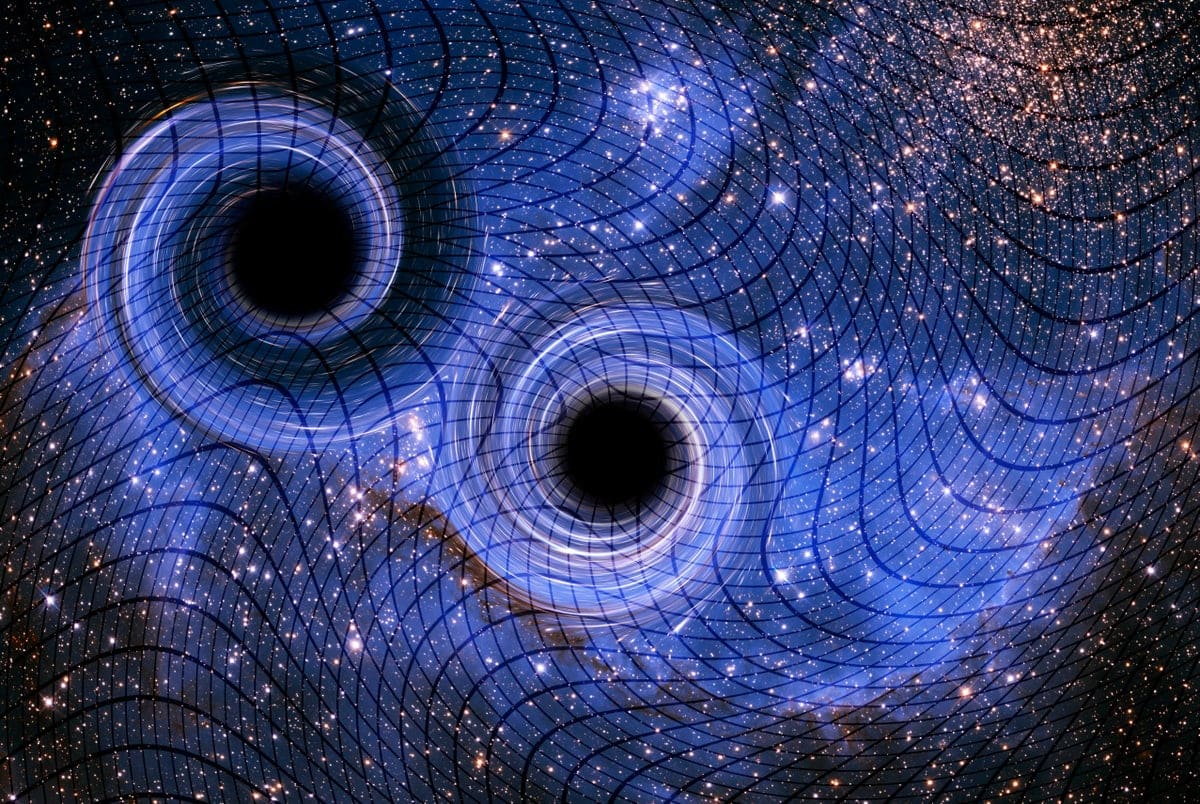
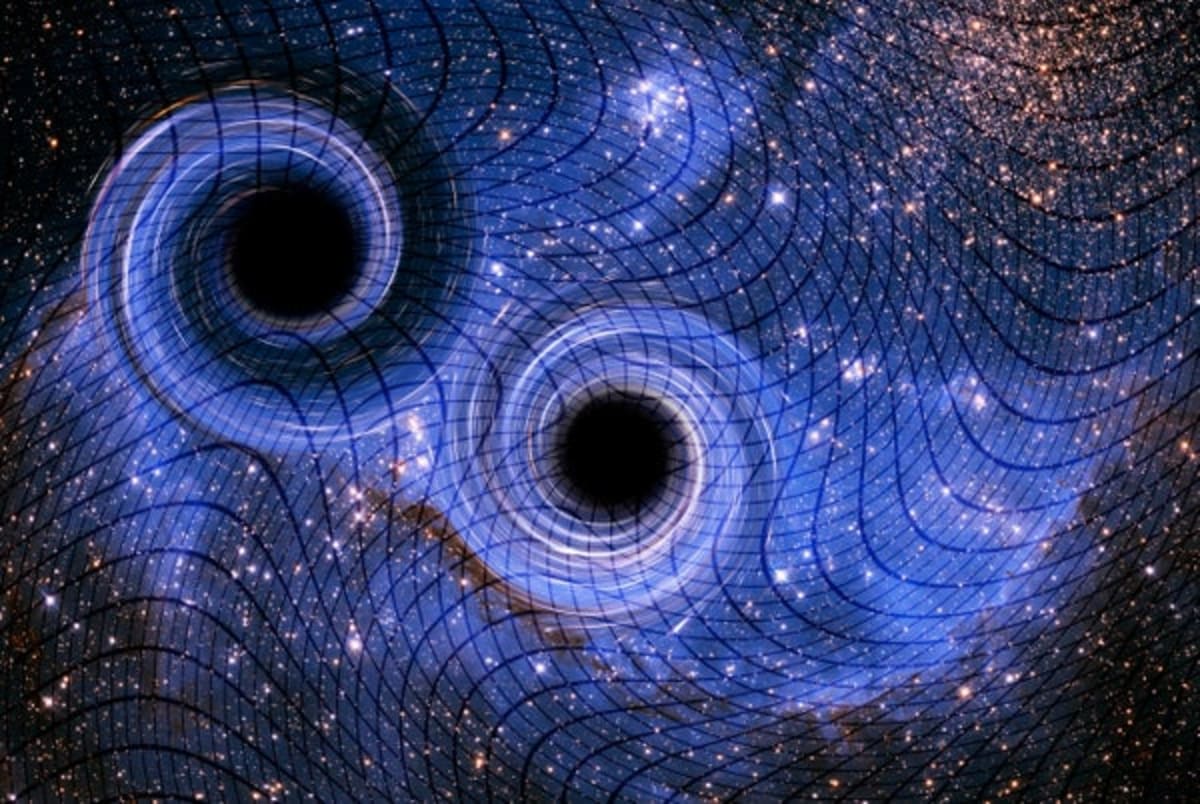
Just over a decade ago, scientists heard spacetime whisper for the first time when two black holes collided 1.3 billion light-years away. Now, those whispers have become a steady stream of cosmic revelations arriving three to four times every week.
Between April 2024 and January 2025, an international network of gravitational wave detectors captured 161 separate events, almost doubling the total number of confirmed detections to 390. These ripples in the fabric of spacetime, created when massive objects like black holes spiral together and merge, were once considered nearly impossible to detect.
"The extraordinary sensitivity of our detectors now allows us to capture three or four gravitational wave signals every week," said Ed Porter, a researcher at the AstroParticle and Cosmology Laboratory in Paris. The four detectors forming the LIGO-Virgo-KAGRA network have become so precise that they can now sense cosmic collisions happening billions of light-years away.
Among the latest discoveries, one signal stands out for its crystal-clear quality. GW250114 arrived with a signal-to-noise ratio of 76.9, the clearest gravitational wave ever recorded, giving scientists an unprecedented view of how black holes behave during their final moments before merging.
Two other signals, GW241011 and GW241110, revealed something astronomers had only theorized about: second-generation black holes. These cosmic giants form not from dying stars but from smaller black holes that merged together, creating increasingly massive objects across billions of years.
For one event, GW240615, researchers successfully pinpointed the exact location in space where the collision occurred. This triangulation capability means astronomers can now aim telescopes at these events, combining gravitational wave data with traditional light-based observations for a more complete picture.
The Ripple Effect
This surge in detections transforms gravitational wave astronomy from novelty to workhorse. Scientists can now study parts of the universe too distant or dark to see with any telescope, answering fundamental questions about how black holes are born, grow, and merge across cosmic time.
The 161 new events provide enough data to keep researchers busy analyzing for years. Mario Spera, a researcher at Italy's International School for Advanced Studies, notes that each new catalog reveals unexpected patterns in how black holes evolve, suggesting the universe still holds surprises about these mysterious objects.
The detector network continues improving, with engineers working to boost sensitivity even further. As the instruments become more precise, scientists expect the weekly detection rate to climb, turning gravitational wave astronomy into an everyday tool for exploring the cosmos rather than a rare achievement worth celebrating on its own.
From hearing spacetime speak once in 2015 to hearing it hundreds of times today, we've entered what researchers call "the age of gravitational astronomy."
More Images


Based on reporting by Scientific American
This story was written by BrightWire based on verified news reports.
Spread the positivity!
Share this good news with someone who needs it