Adelaide Scientists Make GPS-Saving Atomic Clock Portable
Australian researchers just tested the world's first portable atomic clock at sea, protecting the GPS technology that powers $2 billion in daily global economic activity. The breakthrough could safeguard everything from pizza deliveries to critical infrastructure.
Scientists at Adelaide University have successfully tested a portable atomic clock aboard a Royal Australian Navy vessel, solving a problem that could protect the GPS systems we use every single day.
The breakthrough matters because our phones, cars, and critical infrastructure depend on GPS satellites that are surprisingly vulnerable to jamming and fake signals. When those fail, $2 billion worth of daily global commerce grinds to a halt.
Atomic clocks have existed for decades, powering GPS satellites and telecommunications networks with incredibly precise timekeeping. But until now, they only worked in laboratory conditions and couldn't be moved into real-world environments where they're needed most.
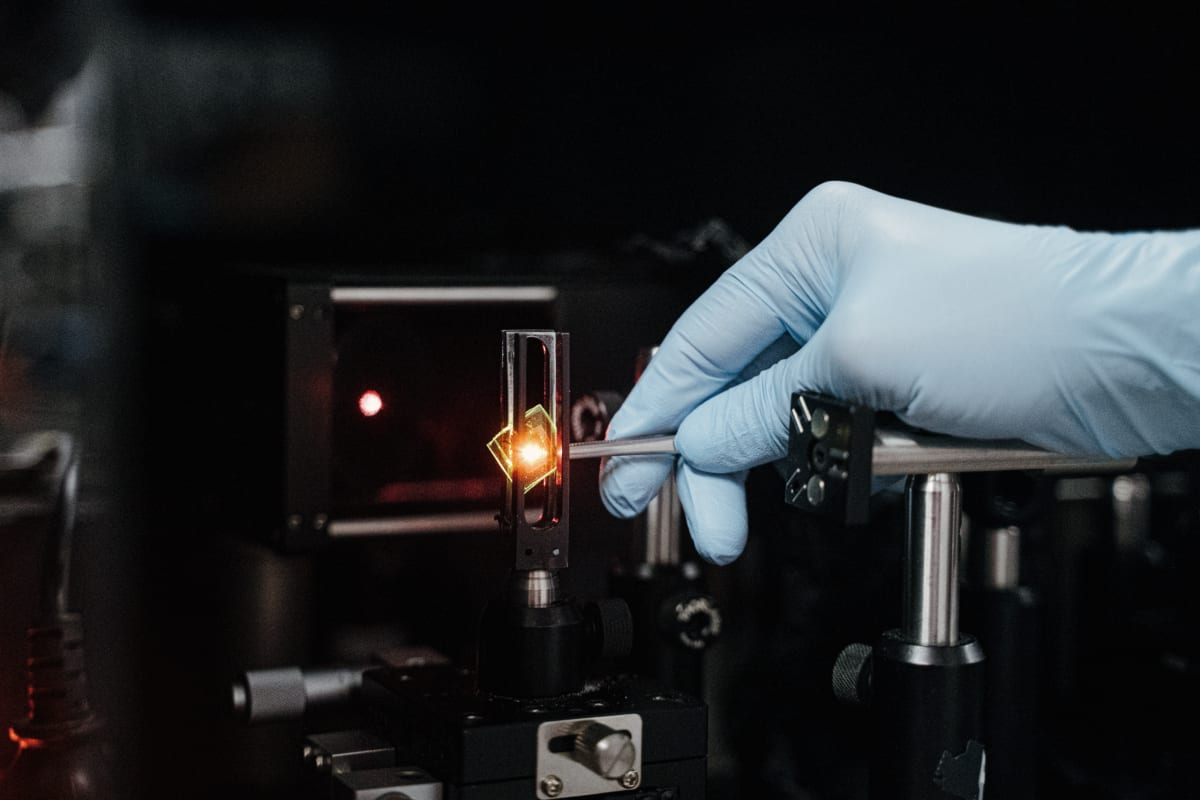
The team at Adelaide's Institute for Photonics and Advanced Sensing changed that. They built a clock using laser-cooled ytterbium atoms that stayed accurate even when installed on a moving naval ship for several days in 2024.
Professor André Luiten, who led the research, explains the everyday stakes simply. GPS doesn't just tell us where we are and help us get pizza delivered. It synchronizes 5G networks and massive data centers that keep modern society running.
The Ripple Effect
The portable atomic clock means Australia's critical systems can keep running even when GPS satellites are jammed by weather or deliberate attacks. Ships at sea, remote military operations, and isolated communities could maintain precise navigation and communication without relying on vulnerable satellite signals.
This kind of resilience matters more as we depend on interconnected digital systems for everything from banking to emergency services. One disrupted GPS signal could cascade into failures across multiple sectors.
The research received support from Australia's Defence Science and Technology Group and the Next Generation Technology Fund. Now the team is refining the technology for deployment in various field situations beyond naval vessels.
Professor Luiten sees this as a rare Australian success story where university research actually leaves the lab. He hopes it will grow into companies employing young Australians and exporting new technology worldwide.
The portable atomic clock proves that solving seemingly abstract scientific challenges can protect the small conveniences and massive systems we've come to depend on without thinking twice.
Based on reporting by Google News - Australia Breakthrough
This story was written by BrightWire based on verified news reports.
Spread the positivity!
Share this good news with someone who needs it