ISS Astronauts Age Slower Thanks to Einstein's Math
Astronauts on the International Space Station come home measurably younger than they left—and the same physics keeps your GPS working. Science fiction just became everyday reality.
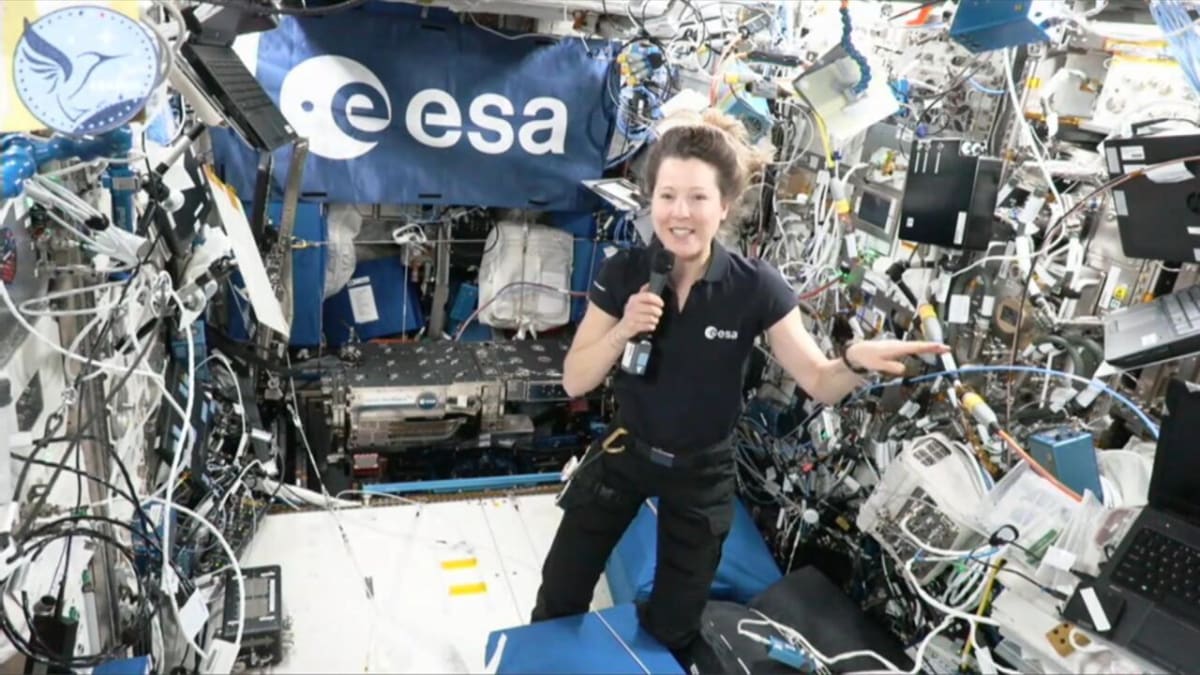
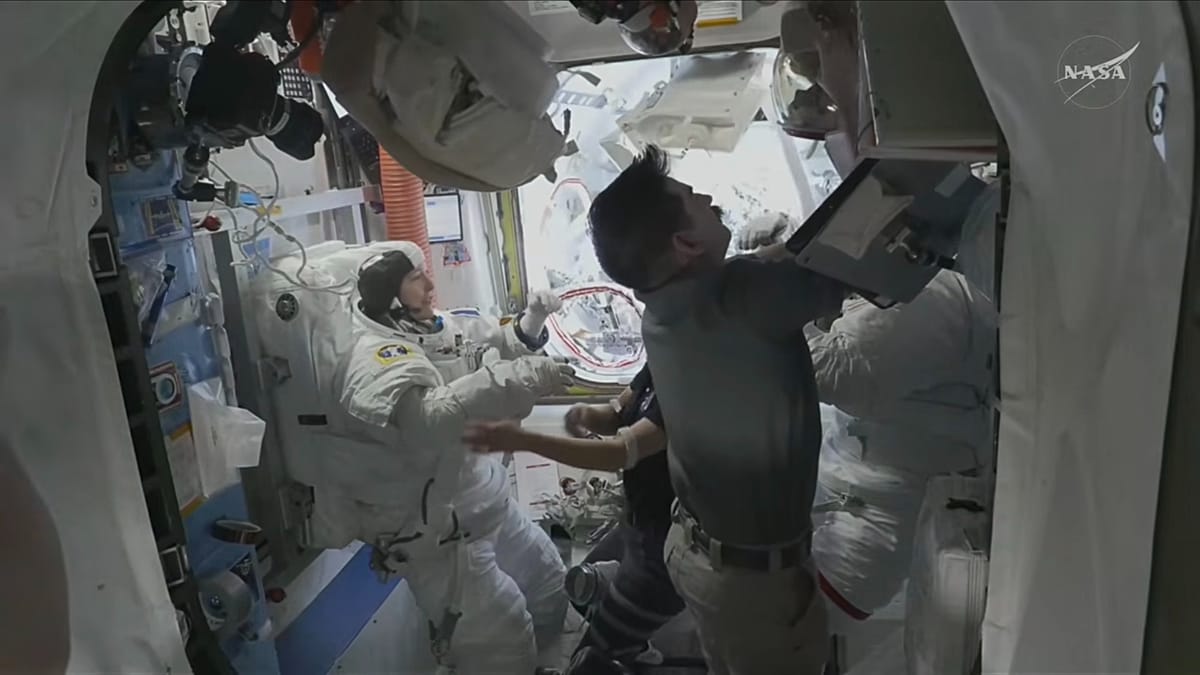
Right now, astronauts aboard the International Space Station are traveling at 17,500 mph and aging slower than you are. Not in some metaphorical way—actually, measurably, provably slower.
The ISS circles Earth every 90 minutes, moving so fast that time itself slows down for everyone aboard. Einstein predicted this over a century ago, and now we can measure it with atomic clocks precise enough to catch the difference.
Astronaut Scott Kelly spent nearly a year on the station between 2015 and 2016. His identical twin brother Mark stayed on Earth, creating a perfect experiment.
When Scott returned, he was measurably younger than Mark by a calculable number of milliseconds. The effect is tiny but completely real, verified by instruments that can measure time to fractions of a second.
Two forces fight over the station's clocks. Moving fast slows time down (special relativity), but being farther from Earth's gravity speeds it up (general relativity). The speed effect wins, making astronauts age slightly slower.
Why This Inspires
Here's where mind-blowing becomes practical: your phone's GPS relies on this same physics. GPS satellites orbit even higher than the ISS, where their clocks tick 38 microseconds faster per day than clocks on the ground.
If engineers didn't correct for Einstein's equations, your navigation app would be useless within 24 hours. Every time you follow directions to a new restaurant or find your parked car, you're using relativistic physics.
The system works because the physics is correct. The same equations that explain why astronauts age slower are the reason you can find your way around town.
This isn't abstract theory locked in textbooks. It's the universe showing us something extraordinary about how time actually works, and we've figured it out well enough to build everyday tools around it.
The effect on human aging remains small—astronauts return milliseconds younger after months in orbit. But those milliseconds represent something profound: we live in a universe where time bends, where identical twins can age at different rates, and where we've learned the rules well enough to navigate by them.
Every GPS satellite silently confirms Einstein was right, thousands of times per day, for billions of users. Science fiction became engineering reality, and it's working perfectly.
More Images


Based on reporting by Google News - Science
This story was written by BrightWire based on verified news reports.
Spread the positivity!
Share this good news with someone who needs it