Moon Craters Could Power First Lunar GPS System
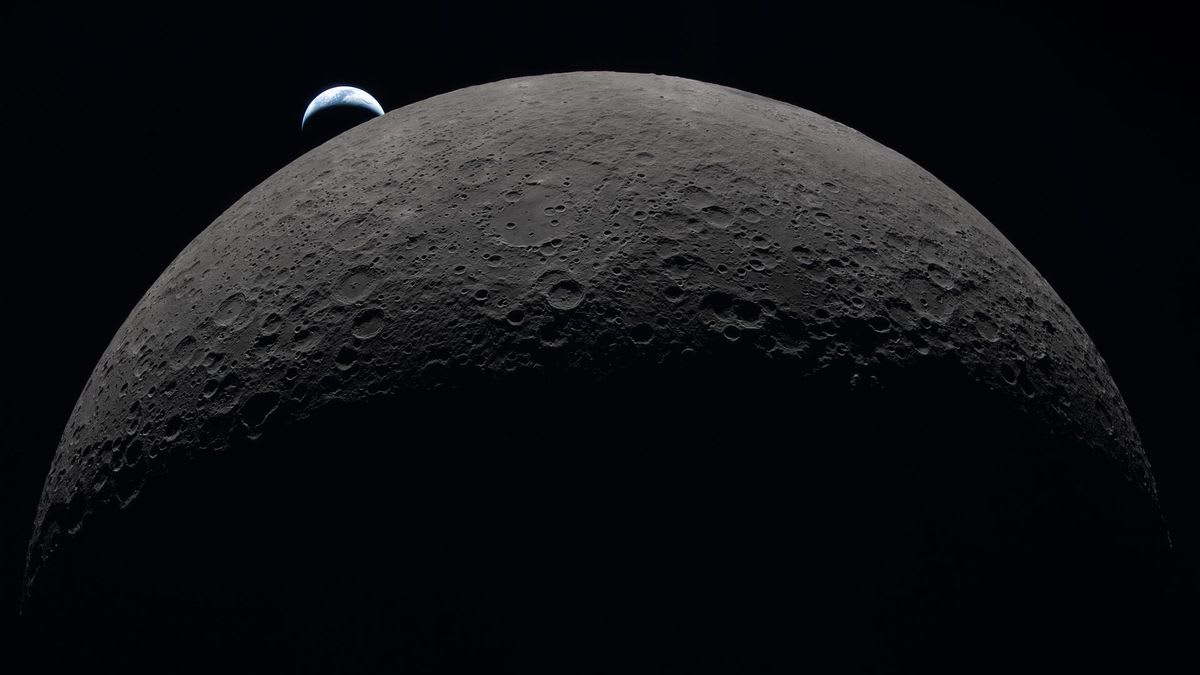
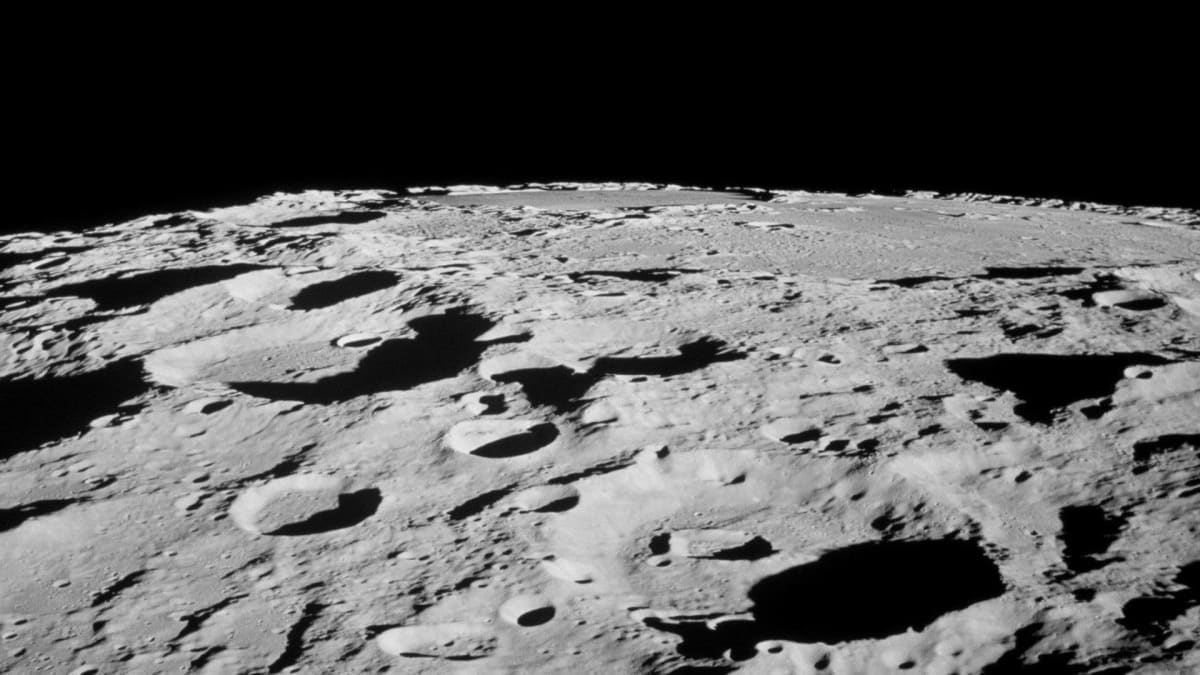
Scientists want to put ultrastable lasers inside the moon's coldest craters to create a GPS-like navigation system for future astronauts. The permanently shadowed craters near the south pole offer the perfect natural conditions for precision laser technology.
The moon's darkest, coldest craters might soon become high-tech beacons guiding astronauts across the lunar surface.
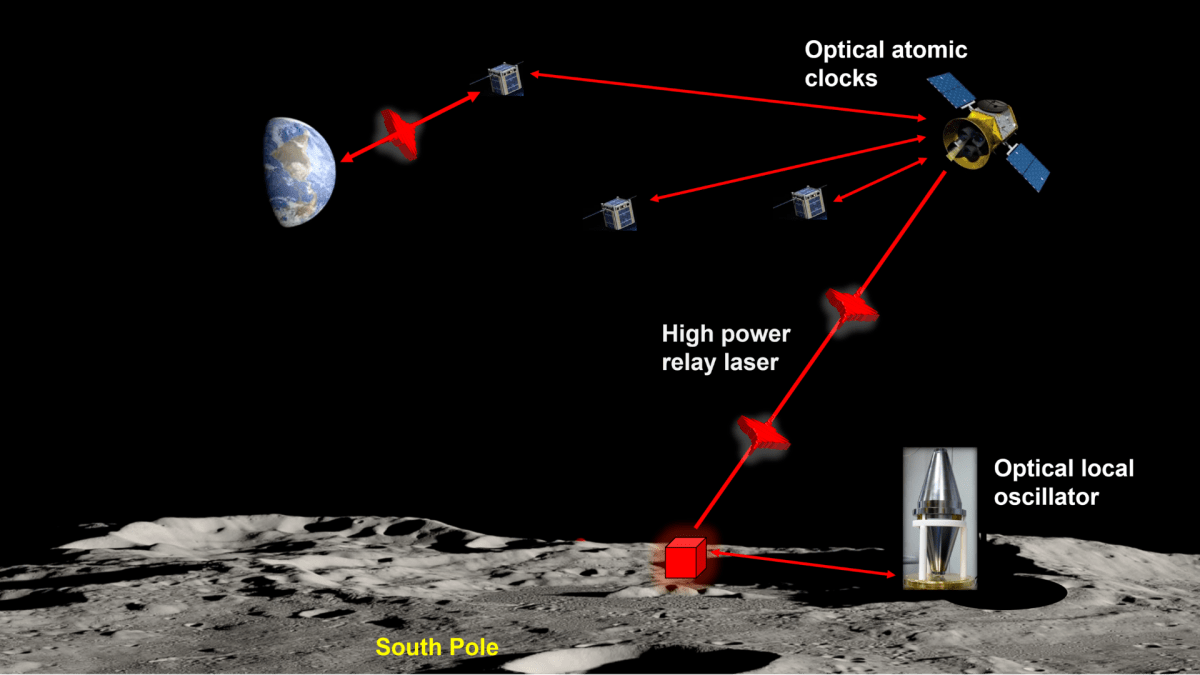
Researchers at the National Institute of Standards and Technology have proposed placing ultrastable lasers inside permanently shadowed craters near the moon's south pole. These lasers could form the backbone of a lunar GPS system, helping future Artemis astronauts and spacecraft navigate without constantly relying on signals from Earth.
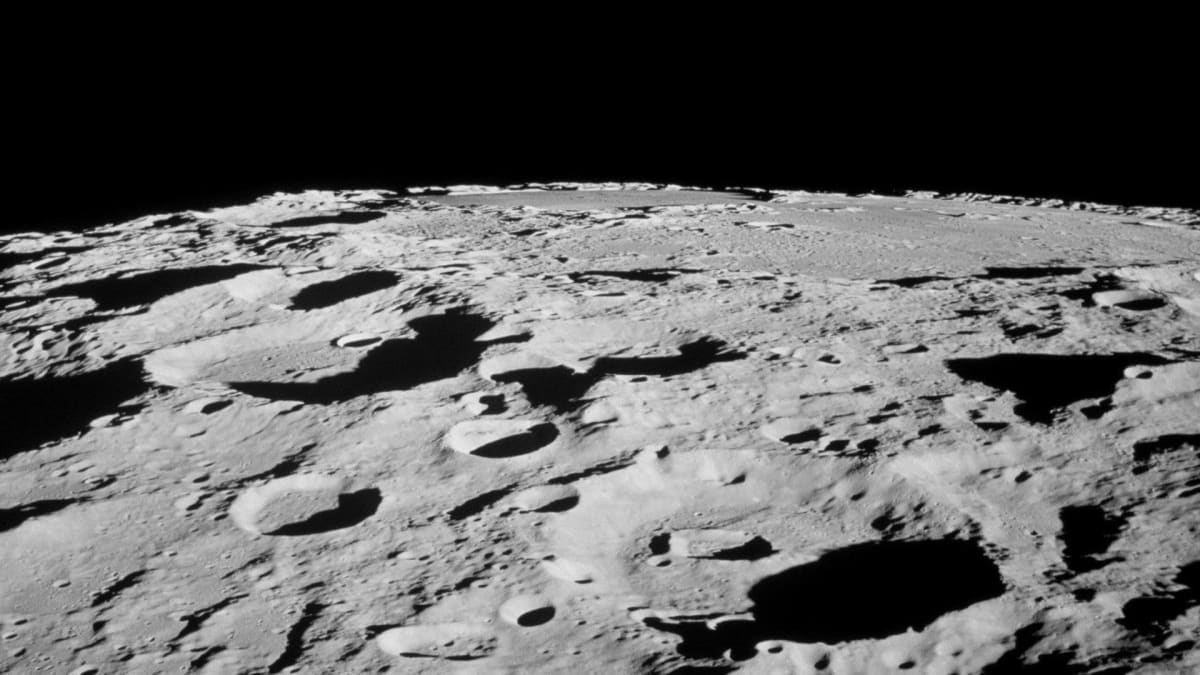
The idea takes advantage of nature's perfect laboratory. Permanently shadowed craters never see direct sunlight because of the moon's low axial tilt, keeping them colder than Pluto at minus 370 degrees Fahrenheit. Scientists have long eyed these frozen spots as potential water sources for lunar bases.
Now those same harsh conditions could solve a major challenge for space exploration. On Earth, precision laser systems need complex cooling equipment and vibration isolation because tiny temperature changes throw them off. Inside a lunar crater, nature provides that stability for free.
The moon's frigid temperatures, natural vacuum environment, and low vibration levels create ideal conditions for silicon optical cavities. These devices stabilize laser light by reflecting it between mirrors separated by incredibly precise distances, allowing the lasers to measure exact positions.
"As soon as I understood what the permanently shadowed regions can offer, I felt that this would be the most ideal environment for a super-stable laser," said Jun Ye, lead author of the study published in the Proceedings of the National Academy of Sciences.
The timing couldn't be better. As NASA prepares for long-term Artemis missions and future lunar bases, spacecraft still depend heavily on Earth-based tracking. That approach becomes impractical as lunar activity increases, especially around the rugged south pole where difficult lighting makes navigation tricky.
Why This Inspires
This project shows how constraints can spark creativity. Scientists aren't fighting the moon's extreme environment but embracing it, turning the coldest spots in our solar system into precision instruments.
The lasers would work similarly to Earth's GPS satellites, which broadcast timing signals from atomic clocks that receivers use to calculate position. A laser locked to an ultrastable silicon cavity could serve as a master timing reference for future lunar satellites and communication networks.
Researchers say the system could link with satellite-based atomic clocks to form "the backbone of the first optical atomic clock on an extraterrestrial surface." That means more accurate navigation for rovers exploring difficult terrain and astronauts working far from their base.
The technology could eventually support entire lunar settlements, providing the precise positioning needed for construction, resource mining, and emergency rescue operations. As humanity extends its reach beyond Earth, innovations like this transform science fiction into practical infrastructure.
Future moon explorers won't just survive in the harshest craters—they'll thrive there, guided home by light from the deepest shadows.
More Images
Based on reporting by Space.com
This story was written by BrightWire based on verified news reports.
Spread the positivity!
Share this good news with someone who needs it