African Farmers Use Water Tanks to Beat Drought
Across Africa, simple water storage tanks are helping farmers survive unpredictable rainfall and protect their livelihoods. By capturing rain when it falls, these systems are turning uncertainty into opportunity for thousands of families.
When the rains don't come on time in Africa, entire harvests can disappear and livestock can die within days. Now, thousands of farmers are using water storage tanks to capture every drop of rainfall, creating a safety net that's changing how agriculture works across the continent.
The system is beautifully simple. During rainy seasons, farmers collect water from rooftops and fields into large tanks. When dry spells hit, they have reserves ready for irrigation and animals, buying crucial weeks of stability when natural water sources fail.
For livestock farmers, the impact is immediate. Tanks positioned near grazing areas mean animals no longer trek long distances to shrinking watering holes. The shorter journey conserves their energy and reduces disease exposure, keeping herds healthier even during drought.
Smallholder farmers are seeing the biggest transformation. With reliable water on hand, they're experimenting with higher-value crops like vegetables that were previously too risky. One family's single tank can mean the difference between barely surviving and selling surplus at local markets.
The tanks also solve a daily challenge on mixed farms where crops and livestock compete for the same water. Farmers can now plan their days, irrigating fields in the morning and watering animals in the afternoon, all from stored reserves that don't require constant pumping or expensive fuel.
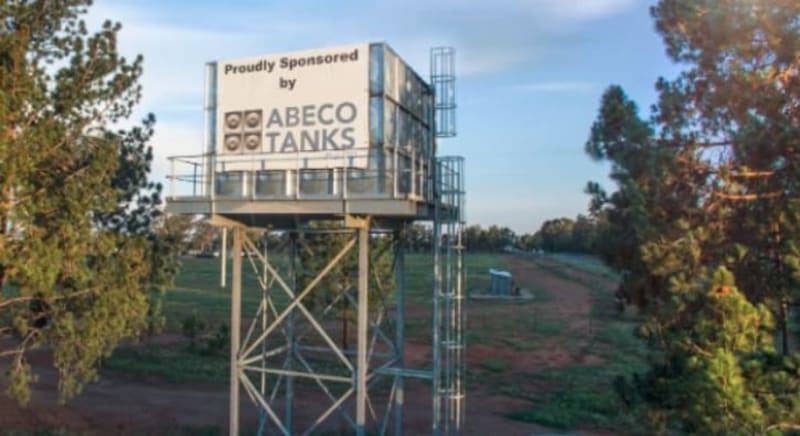
Companies like Abeco Tanks are designing systems specifically for African conditions, offering custom sizes and placements that match each farm's unique needs. The approach isn't about high-tech solutions but practical tools that work in challenging environments.
The Ripple Effect
The benefits extend far beyond individual farms. As more farmers adopt water storage, entire communities are becoming more food secure. Villages that once faced total crop failures now maintain some production even in bad years, stabilizing local food supplies and prices.
Women and children, who traditionally spend hours fetching water, now have time for school and income-generating activities. The mental relief is just as important as the physical water supply, farmers report they can finally plan ahead instead of simply reacting to each crisis.
As climate patterns grow more erratic across Africa, these tanks represent something powerful: the ability to adapt rather than just survive. What started as insurance against bad weather is becoming the foundation for agricultural growth, one stored raindrop at a time.
Based on reporting by Vanguard Nigeria
This story was written by BrightWire based on verified news reports.
Spread the positivity!
Share this good news with someone who needs it