UN Protects 65,000 in South Sudan Before Drought Hits
South Sudan just launched its first ever drought anticipatory plan, helping 65,000 people prepare before disaster strikes. The UN is delivering cash and critical information to families so they can protect their livelihoods ahead of worsening conditions.
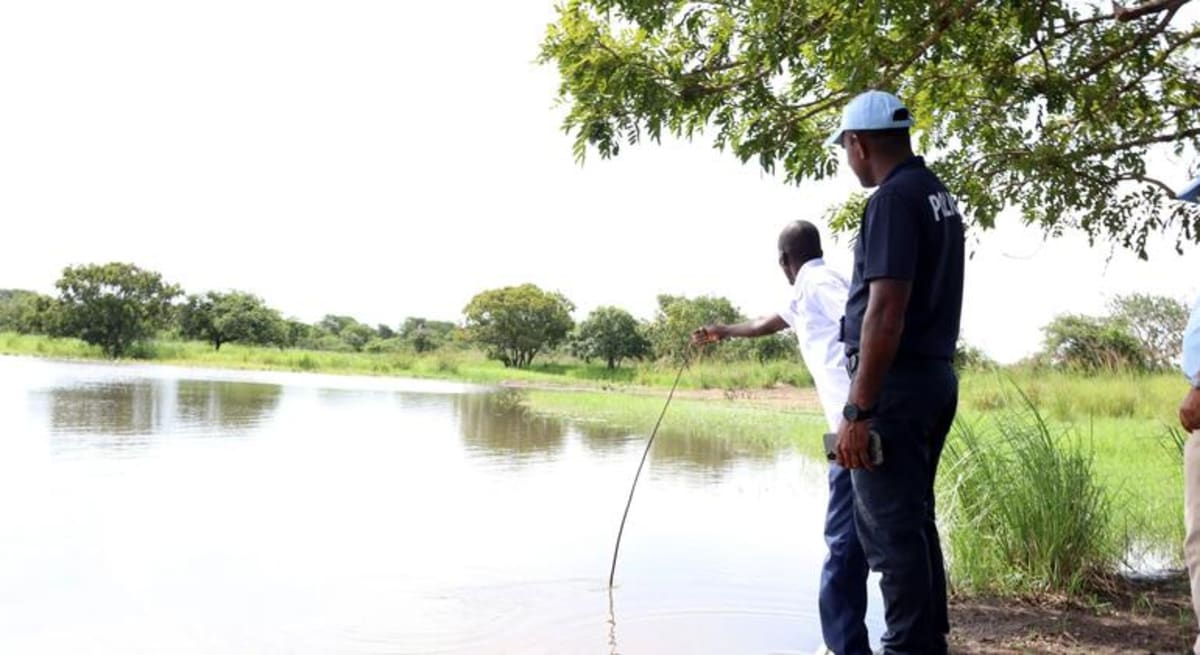
Instead of waiting for disaster to unfold, South Sudan is taking action before drought devastates thousands of families. The UN World Food Programme and South Sudan's government just activated the country's first anticipatory drought plan, reaching more than 65,000 people in Eastern Equatoria state with help before they need rescue.
The groundbreaking approach flips traditional disaster response on its head. Rather than arriving after crops fail and livestock die, aid workers are delivering cash transfers and survival information to families right now, while they still have time to prepare.
More than 52,000 people are receiving direct cash assistance to stock up on essentials and strengthen their food supplies before conditions worsen. The money helps families avoid desperate measures like selling off assets or skipping meals when the drought intensifies.
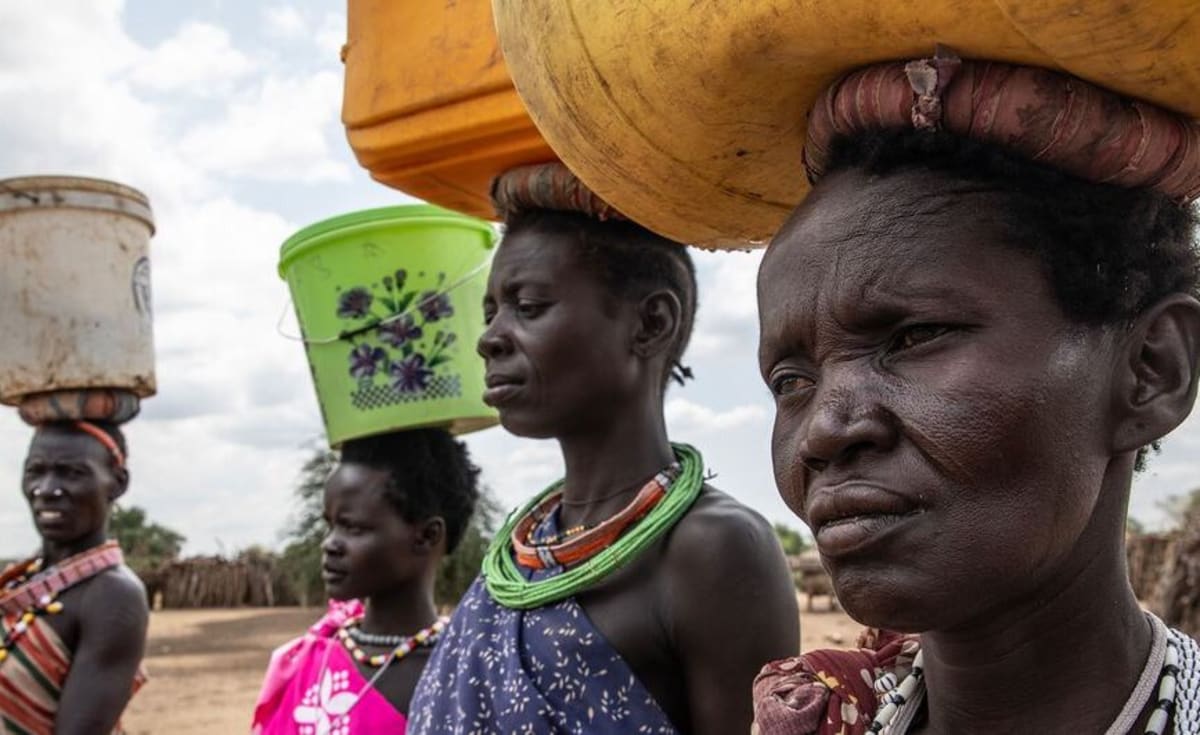
Another 65,000 residents are getting vital early warning communications teaching them how to manage livestock during dry spells, conserve water, and protect their livelihoods. For communities in Eastern Equatoria who depend entirely on seasonal rainfall for crops and grazing, these lessons could mean the difference between survival and crisis.
"Rather than wait for drought to deepen humanitarian needs, we are acting based on forecasts and evidence to support communities before livelihoods are disrupted," said Mutinta Chimuka, WFP Country Director in South Sudan. The plan relies on scientific weather forecasts combined with pre-arranged funding that triggers automatically when conditions reach critical thresholds.
The Ripple Effect
This proactive model represents a fundamental shift in how humanitarian aid works. By protecting families before disaster strikes, the program preserves years of development progress that would otherwise vanish when communities are forced into survival mode.
The $2.45 million initiative was funded by South Korea's international development agency and Germany, with earlier support from Ireland helping build the anticipatory action system itself. Their investment created the infrastructure that makes early response possible, including forecast monitoring and rapid deployment protocols.
Communities across South Sudan's drought-prone regions are now watching this pilot program closely. If successful, the anticipatory approach could expand to protect hundreds of thousands more people from climate shocks before they become catastrophes, transforming reactive emergency response into preventive protection.
Based on reporting by AllAfrica - Environment
This story was written by BrightWire based on verified news reports.
Spread the positivity!
Share this good news with someone who needs it