Africa's Climate Solutions Could Lead the World
After decades of adapting to climate challenges with minimal resources, African nations are ready to share their hard-won expertise with the rest of the world. From disaster preparedness to clean energy innovation, the continent that contributes just 3% of global emissions carries powerful lessons in resilience.
The continent hit hardest by climate change is stepping forward with solutions the entire world needs to hear.
Africa contributes only 3% of global carbon emissions, yet faces some of the most severe climate impacts on Earth. For decades, African communities have been adapting to extreme weather, food insecurity, and health crises with limited resources and little international support.
Now that approach is shifting. As traditional funding sources become unreliable, African scientists, governments, and communities are strengthening their own voice in global climate leadership.
Morocco showed what proactive disaster response looks like in February 2026 when it evacuated more than 140,000 people ahead of devastating floods. That kind of swift, organized action saved countless lives and demonstrated African expertise in climate preparedness.
The Lancet Countdown Africa Regional Centre is documenting these successes and translating them into evidence that shapes global climate policy. Their 2025 report found that millions of people die unnecessarily each year because governments aren't adapting to climate change fast enough.
Africa has been adapting out of necessity for generations. Communities across the continent combine indigenous knowledge with modern science to protect ecosystems and strengthen resilience against climate shocks.
The Ripple Effect
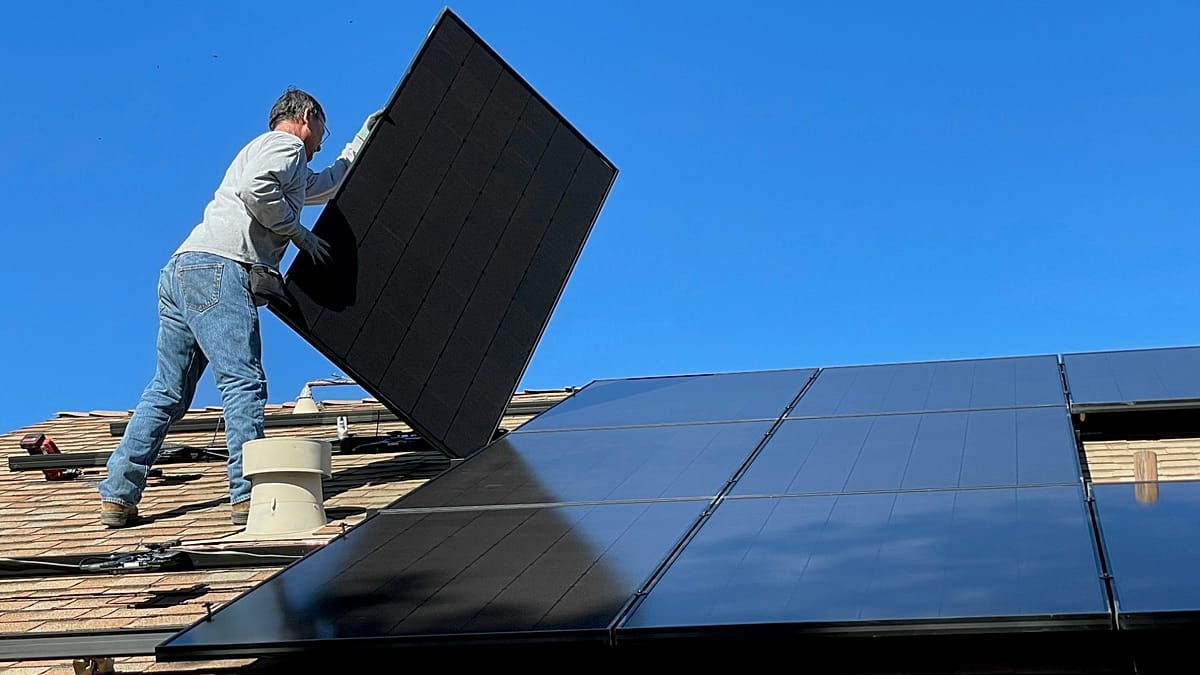
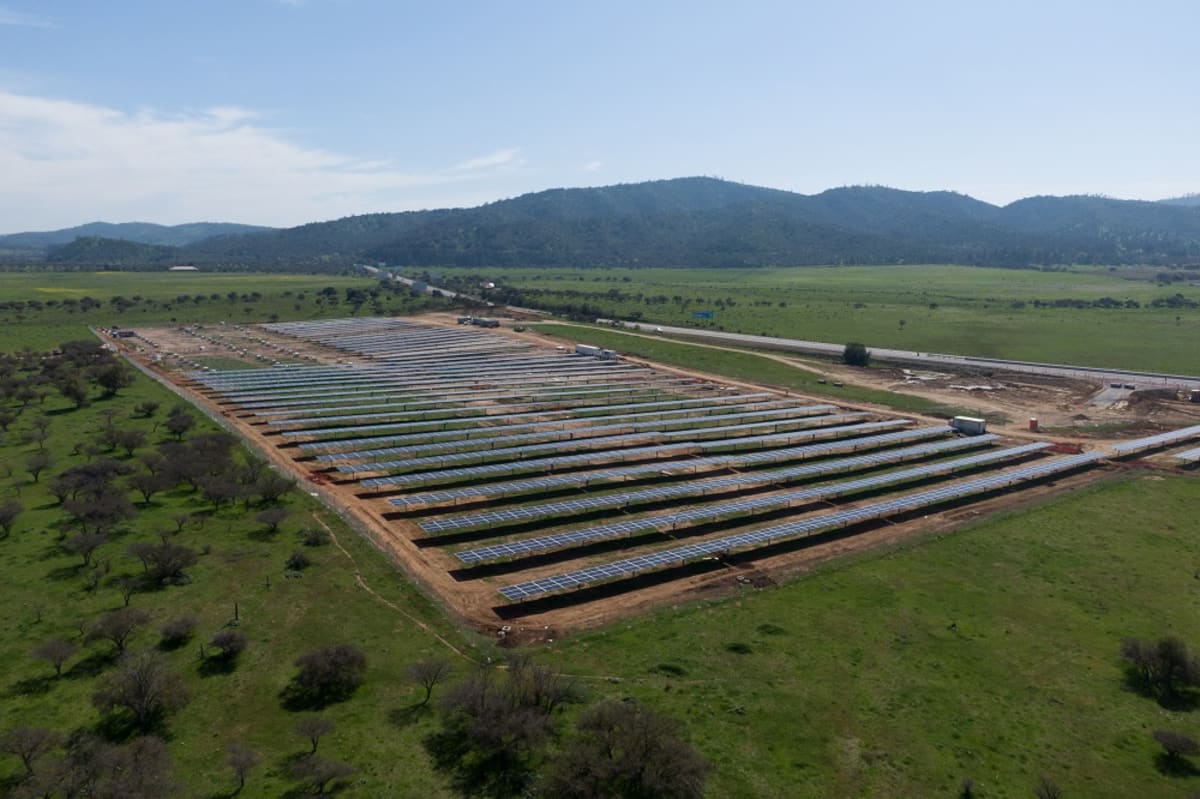
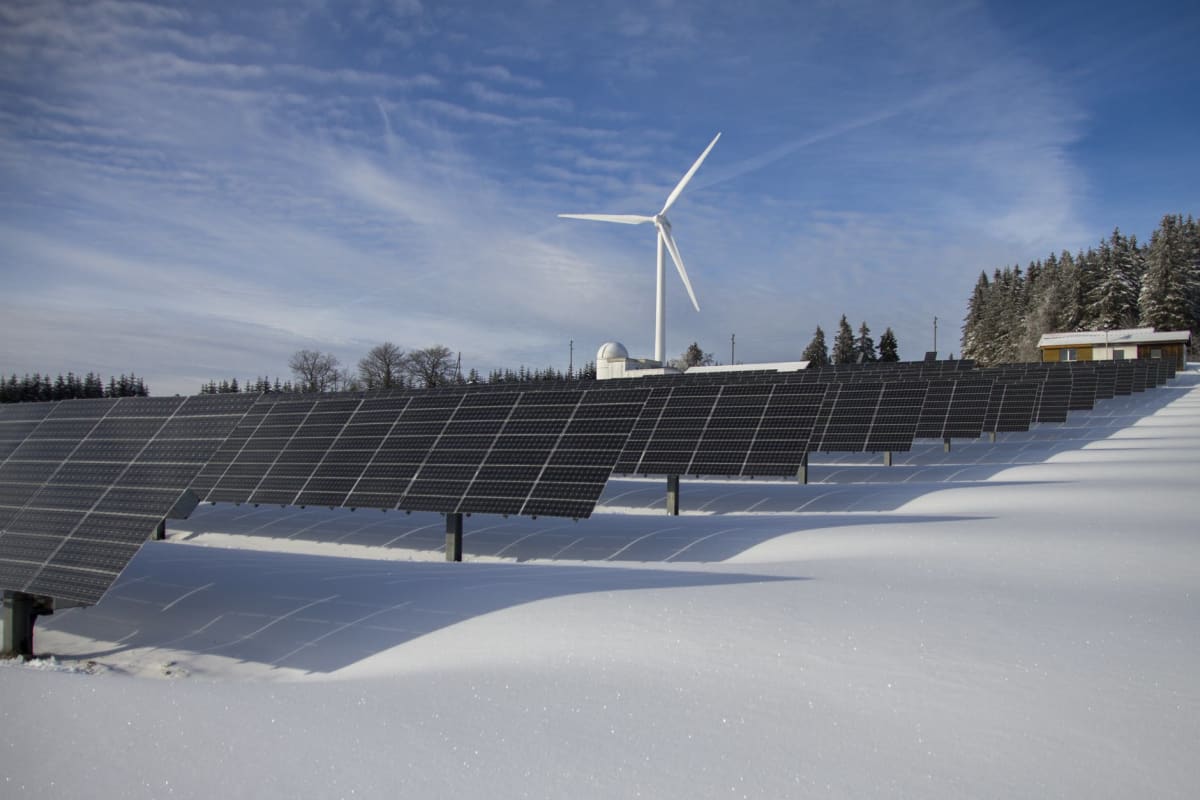
Africa's renewable energy transition could rewrite the global playbook. Solar mini-grids are bringing electricity to communities that never had reliable power while simultaneously powering clinics, hospitals, and industries without locking countries into fossil fuel dependence.
This isn't just about cutting emissions. Clean energy means fewer people breathing polluted air, more reliable electricity for healthcare, and better living conditions for millions of Africans.
African farmers are already innovating sustainable food systems that balance equity, resilience, and planetary health. These practices could inform how the entire world grows food in a changing climate.
The challenge now is documentation and translation. African perspectives rarely influence which climate stories get heard globally or which policy lessons other countries adopt, even when those lessons could save lives worldwide.
Strengthening partnerships between African scientists, policymakers, and communities will ensure these hard-won insights reach the global stage. Investment in surveillance systems, early warning networks, and Africa-specific climate indicators will build the infrastructure needed to share solutions effectively.
When Japan rebuilt Sendai after the 2011 tsunami, that experience shaped the global Sendai Framework for Disaster Risk Reduction. Africa's decades of climate adaptation deserve the same recognition and influence.
The continent that carries the heaviest burden of a crisis it didn't create is ready to lead the way forward.
More Images


Based on reporting by AllAfrica - Environment
This story was written by BrightWire based on verified news reports.
Spread the positivity!
Share this good news with someone who needs it