Africa's Tech-Driven Path to Energy for 2.5 Billion
African innovators are using solar mini-grids, smart batteries, and mobile payments to bring electricity to millions while building a realistic energy future. Former Nigerian Power Minister Bart Nnaji says the continent can leapfrog outdated systems just like it did with mobile phones.
Africa is racing toward 2.5 billion people by mid-century, and entrepreneurs across the continent are already powering that future with breakthrough solutions that skip the old playbook entirely.
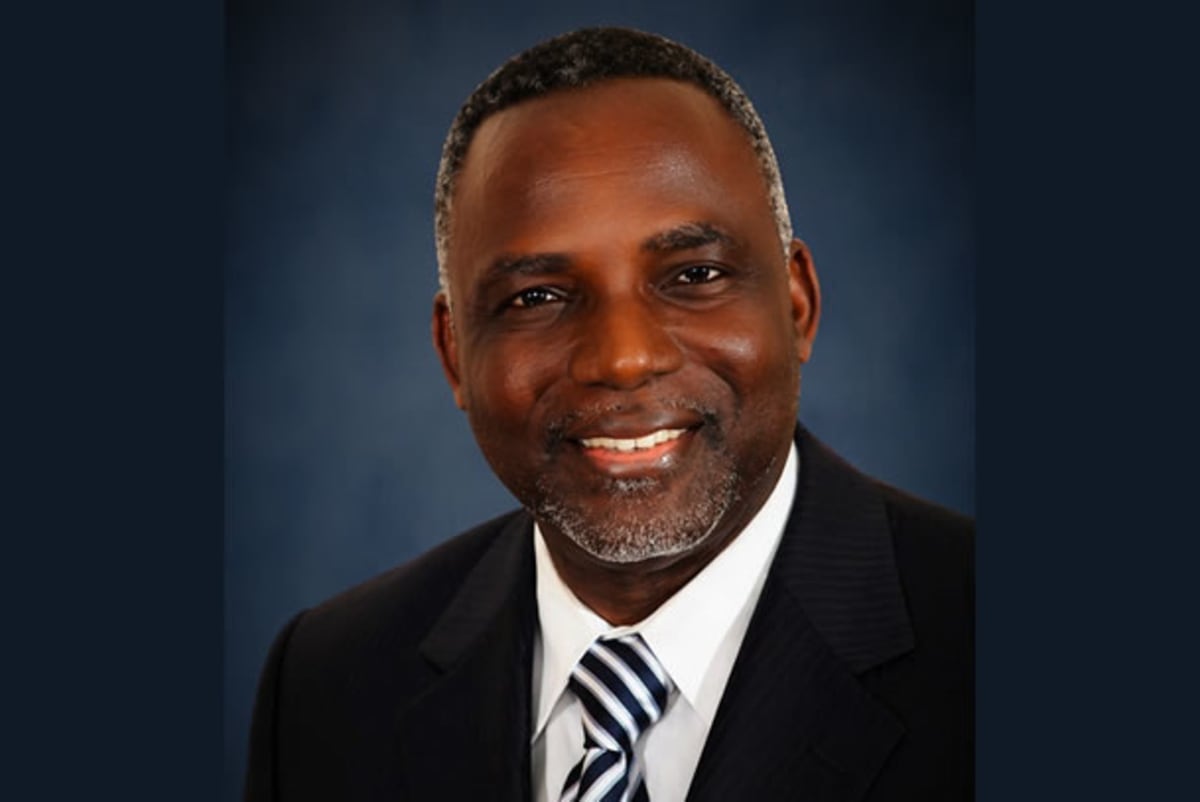
Professor Bart Nnaji, former Nigerian Minister of Power and energy innovator, believes Africa doesn't need to choose between development and sustainability. Instead, the continent is forging a gradual, fair transition using technology tailored to African realities.
The numbers tell an urgent story. Nearly 600 million Africans still lack electricity, yet cities are expanding rapidly and digital connections are multiplying. Meeting this demand requires roughly $90 billion annually, according to the International Energy Agency, though current funding falls dramatically short.
Here's where innovation shines. Decentralized solutions like off-grid solar panels, community-run mini-grids, and modern batteries are bringing power to villages that traditional electrical grids can't reach. By 2030, these distributed systems could provide most new connections in underserved areas.
African entrepreneurs aren't waiting for permission. They're creating pay-as-you-go solar systems that families can afford, mobile payment platforms that make energy accessible, and smart grid technology that reduces waste while serving more people.
The Ripple Effect
When reliable electricity reaches a community, the changes cascade outward in beautiful ways. Children study after sunset instead of straining their eyes in darkness. Health clinics can finally refrigerate life-saving vaccines. Small business owners launch ventures that were impossible without power.
These aren't just technical upgrades. They're job creators, skills builders, and economic engines for entire regions. The same entrepreneurial spirit that made Africa leapfrog landline phones straight to mobile technology is now transforming energy access.
Nnaji emphasizes that natural gas will remain crucial as a transition fuel for the next decade, providing reliable base power while renewable capacity scales up. This pragmatic approach recognizes that expecting Africa to abandon all fossil fuels immediately isn't realistic or fair, especially when other nations industrialized using the same resources.
Smart policies matter enormously. When African governments harmonize regulations and create supportive investment climates, they unlock larger markets that attract even more innovation and funding. Partnerships between public institutions like the African Development Bank and private companies are essential to closing the investment gap.
The path forward belongs to Africans themselves, shaped by local needs and powered by homegrown solutions. Technology isn't solving everything alone, but it's making efficiency, resilience, and affordability possible at unprecedented scale. Africa's energy revolution has already begun, turning potential into progress one community at a time.
Based on reporting by Google News - Africa Innovation
This story was written by BrightWire based on verified news reports.
Spread the positivity!
Share this good news with someone who needs it