
AI Could Help End Our Fossil Fuel Addiction for Good
Artificial intelligence combined with biotechnology might finally make a circular economy possible at global scale, breaking our dependence on extracting finite resources. The same AI hyped for productivity gains could help regenerate materials like plastic and e-waste into virgin-quality inputs.
The technology transforming office work could solve an even bigger problem: our addiction to digging things out of the ground.
For 50 years, the global economy has followed a destructive pattern. We extract finite resources, make mostly disposable products, and throw them away. Oil becomes packaging. Petroleum turns into clothing. Critical minerals power our phones and laptops. Then most of it ends up in landfills.
COVID and recent conflicts exposed how fragile this system really is. When supply chains break, we realize how much we depend on resources concentrated in just a handful of places around the world.
The alternative already exists. It's called a circular economy, where materials already in circulation get regenerated infinitely instead of buried in landfills. Instead of depending on a few extraction hubs, countries and companies can reuse what's already above ground.
The economics are compelling. A new report from Circle Economy and Deloitte found that our wasteful linear economy costs the world €25.4 trillion annually. That's nearly 31% of global GDP lost to inefficiency, premature disposal, and underused assets.
Here's where AI enters the picture. Scientists have long used biotechnology to engineer solutions like insulin, vaccines, and biofuels. But discovering new biological processes takes enormous time because living systems are staggeringly complex.
AI excels at finding patterns in vast datasets that humans simply cannot process. It can identify and validate new enzymes capable of breaking down end-of-life materials like plastic packaging, old clothing, and electronic waste, then regenerating them into virgin-quality inputs. What once took years now takes months or even weeks.
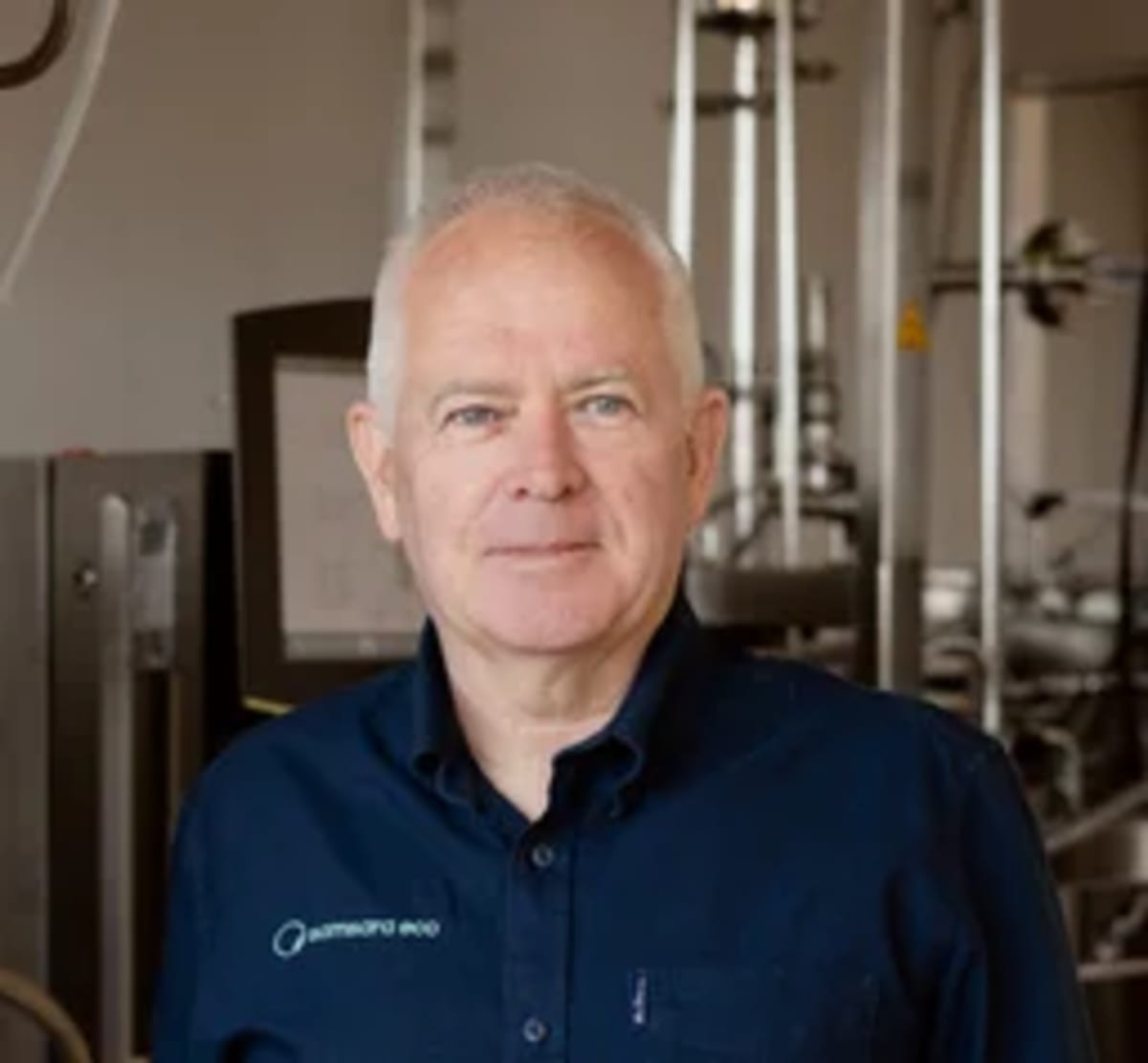
Paul Riley, CEO of Samsara Eco, sees AI as the mechanism that makes circularity viable at the speed and scale the world actually needs. The technology being hyped for writing emails and generating images could fundamentally reshape how we source materials.
The shift matters for more than environmental reasons. As raw materials become scarcer, the countries controlling them gain enormous strategic power. Circularity breaks that dependency entirely.
The Ripple Effect
Getting this right requires building AI responsibly and powering it with clean energy. Otherwise, the technology meant to solve the problem just makes it worse.
But the potential reaches beyond even the dot-com revolution. AI could help close the loop on resource extraction, creating genuine independence from fossil fuels while strengthening supply chains and opening new material sources for every country.
The next 50 years won't look like the last 50. The raw materials powering everyday life will grow more valuable, not less. AI combined with biotechnology offers a path where we stop depending on extraction and start regenerating what we already have.
The technology exists. The economics make sense. Now it's a question of building the systems to make circularity the default, not the exception.
More Images

Based on reporting by Fast Company
This story was written by BrightWire based on verified news reports.
Spread the positivity!
Share this good news with someone who needs it