AI Detects Smuggled Sea Creatures in Airport Luggage
Scientists developed an AI tool that spots illegally trafficked seahorses, shark fins, and sea cucumbers hidden in airport luggage with 92% accuracy. The breakthrough could help authorities combat the $20 billion global wildlife trafficking industry.
Airport security just got a powerful new ally in the fight to protect ocean wildlife.
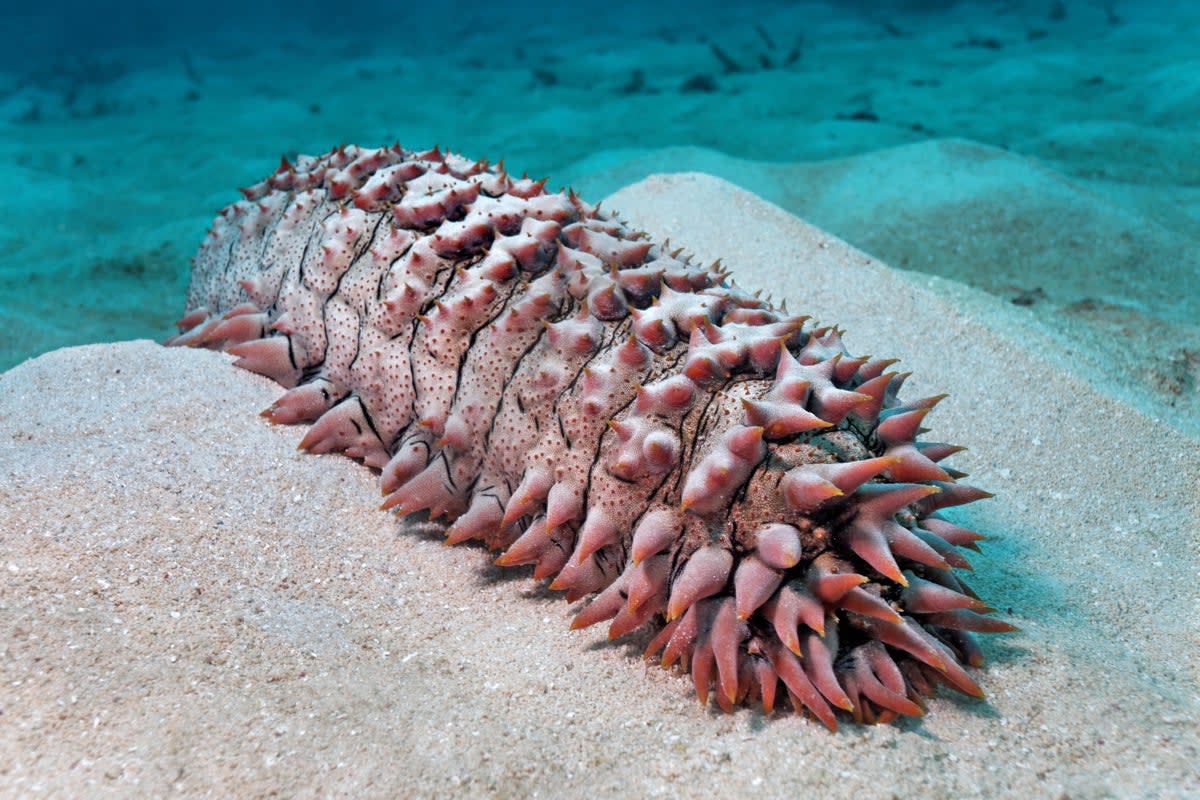
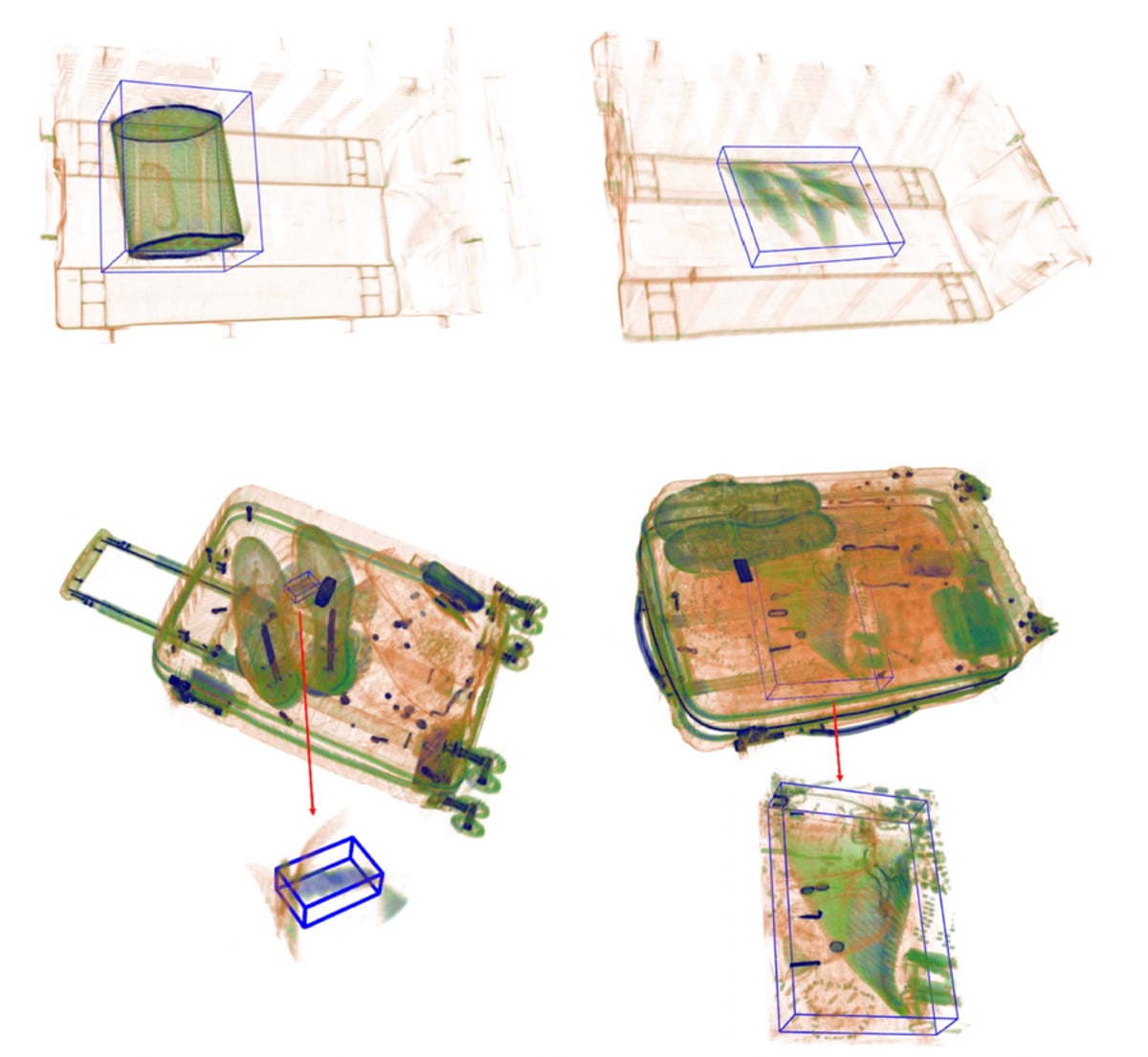
Researchers at Macquarie University in Australia have trained an artificial intelligence algorithm to detect smuggled marine animals passing through airports. The tool identifies dried seahorses, shark fins, and sea cucumbers hidden in luggage using the same 3D x-ray scanners already installed at security checkpoints.
Wildlife trafficking is a massive criminal enterprise. Every year, $20 billion worth of plants and animals are sold illegally worldwide, according to INTERPOL. Many of these products are marine species harvested for food or questionable medicinal uses, and they often slip through airports undetected.
The AI solution offers a smart way to close that gap. Scientists trained the algorithm on hundreds of x-ray images containing 68 different samples of the most commonly trafficked marine species. The system learned to recognize their distinctive shapes and patterns, even when packed inside bags alongside clothing and other items.
The results speak for themselves. Across hundreds of test images, the algorithm correctly identified smuggled wildlife 92% of the time, with false alarms occurring only 13% of the time.
Lead researcher Vanessa Pirotta never imagined AI would become central to her wildlife conservation work. "This enables us to look in and around luggage and mail items," she explains. The technology helps authorities understand how trafficking methods evolve over time.
The Ripple Effect
The beauty of this approach is that it works with existing infrastructure. Airports don't need new expensive equipment or major overhauls. The AI simply analyzes scans that security teams already capture during routine baggage screening.
Pirotta emphasizes the tool is meant to enhance, not replace, human expertise. It works alongside manual inspections and biosecurity dogs to strengthen the overall detection network. Think of it as giving enforcement teams superhuman pattern recognition abilities.
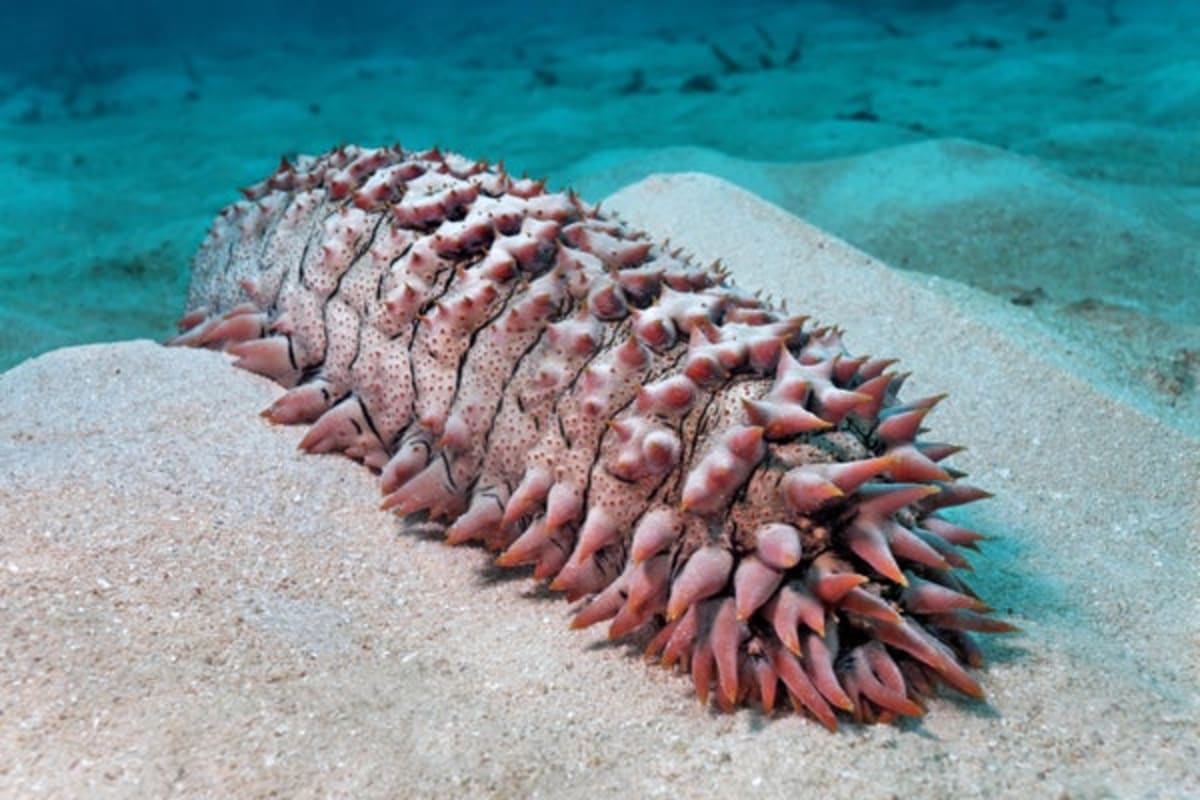
The technology could help protect vulnerable marine populations facing pressure from illegal harvesting. Sea cucumbers, for instance, play crucial roles in ocean ecosystems by recycling nutrients on the seafloor. Seahorses face extinction threats in many regions due to overharvesting.
The next phase involves deploying this technology at airports around the world. Pirotta hopes the system will fill critical gaps in wildlife enforcement and provide better data on trafficking patterns and hotspots.
For ocean wildlife, help may soon arrive at thousands of security checkpoints worldwide.
More Images

Based on reporting by Scientific American
This story was written by BrightWire based on verified news reports.
Spread the positivity!
Share this good news with someone who needs it