Why Your Job Is Safer Than AI Experts Think
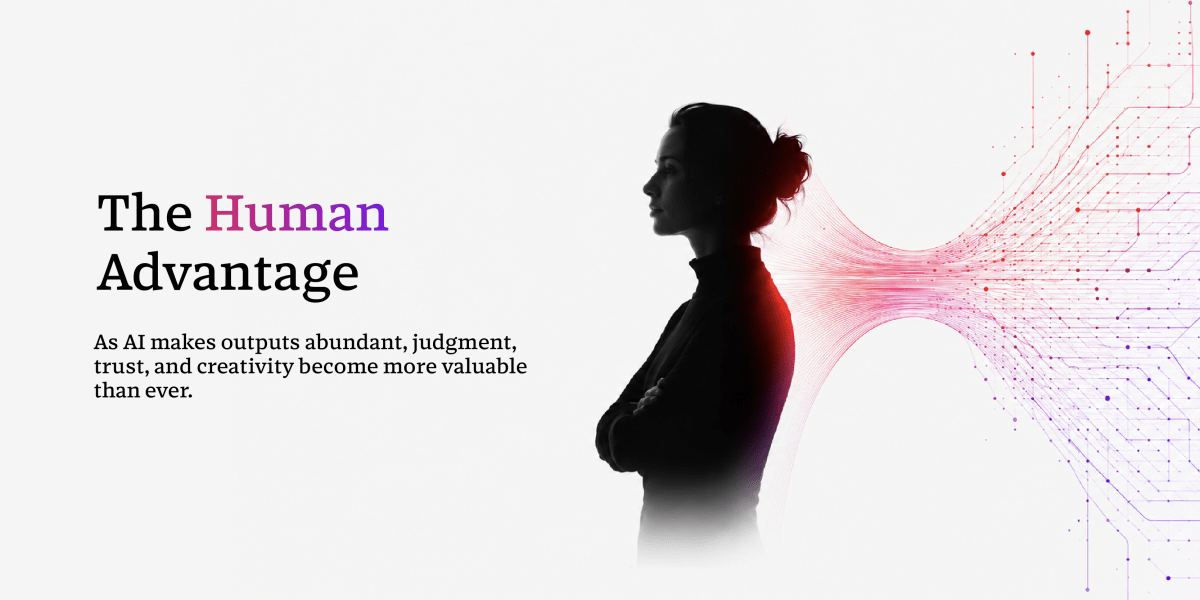
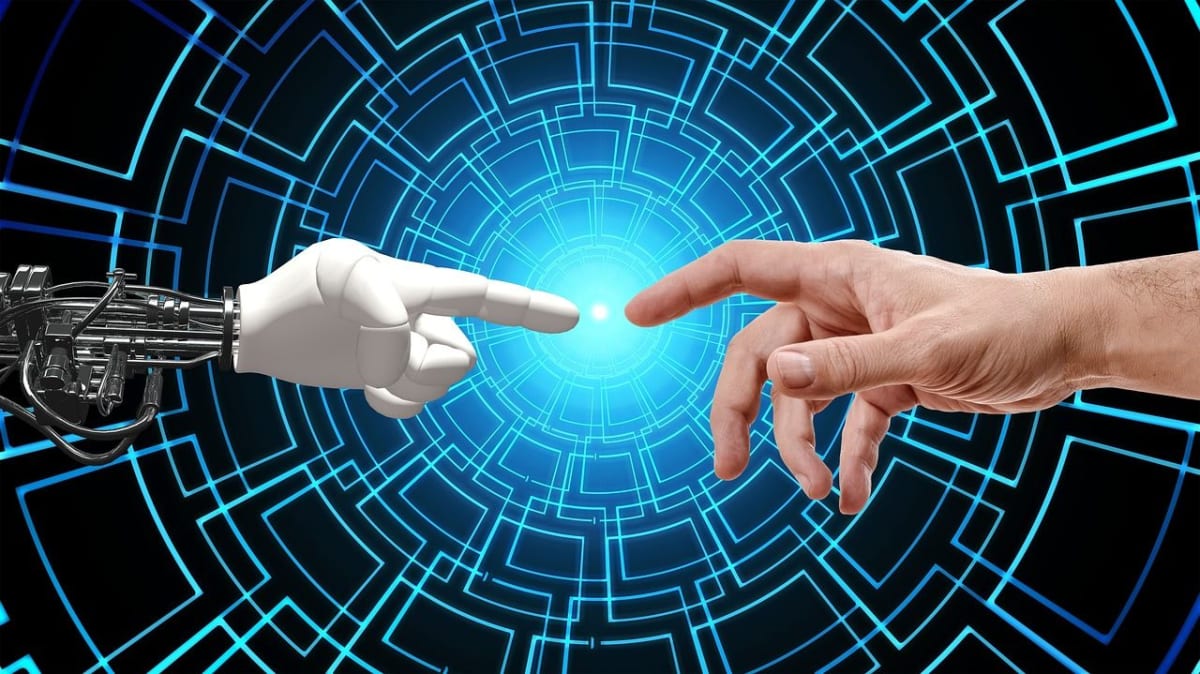
While tech leaders warn about AI eliminating jobs, one veteran technologist argues human workers are becoming more valuable, not less. History shows when machines make things abundant, human expertise becomes the rare commodity that commands a premium.
When digital art made beautiful images cheap and accessible to everyone, hand-painted originals didn't lose value. They became more expensive than ever, and today more painters earn a living from their craft than at any point in history.
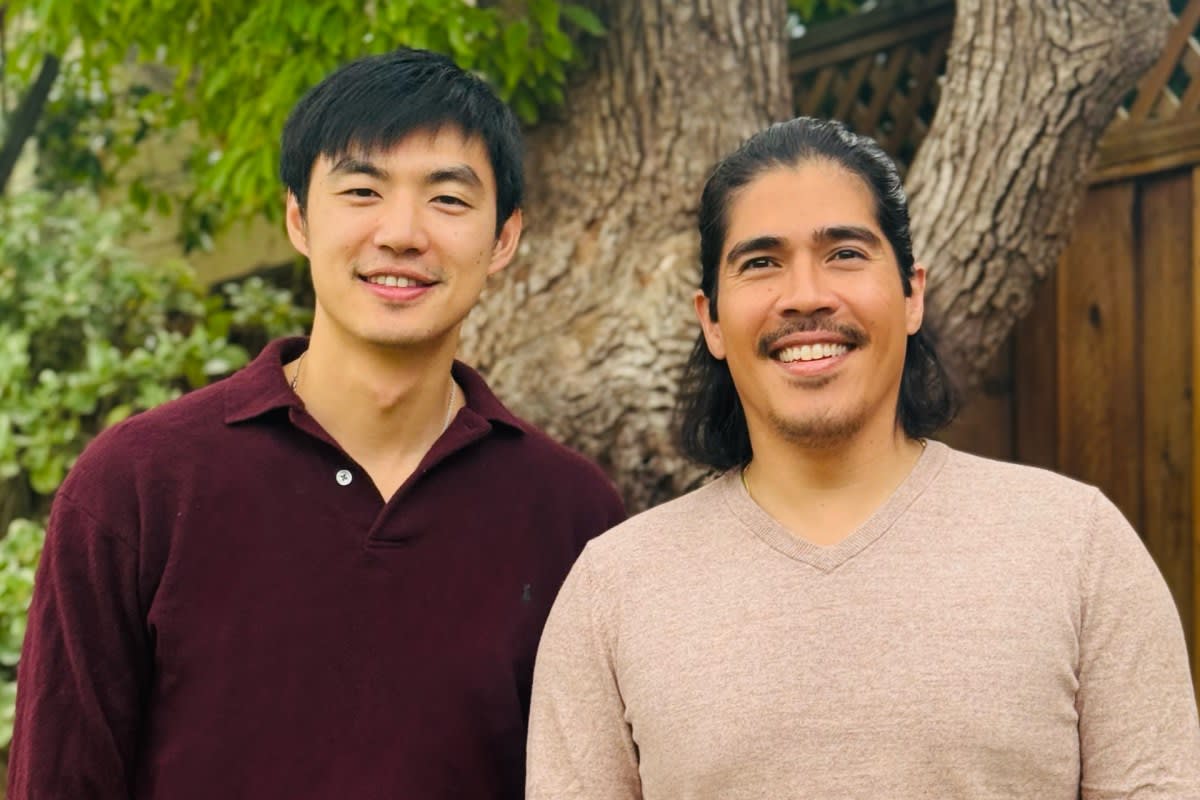
Durga Prasad Kakaraparthi, who spent 26 years in tech including stints at Amazon and Microsoft, sees the same pattern emerging with AI. His message to worried workers is simple: scarcity creates value, and humans are about to become the scarce resource.
Consider chess. Computers have beaten world champions since 1997, and a free phone app now plays better than any human alive. Yet chess has never been more popular, with more people playing professionally and millions watching human tournaments online.
The pattern repeats everywhere. Machine-made furniture turned handcrafted pieces into luxury items. Recorded music made live concerts the most valuable part of the industry. Fast fashion elevated tailored clothing to premium status.
Kakaraparthi, who founded AI consulting startup Attoforce, believes the same shift is happening in the workplace. When AI generates code, reports, and designs in seconds, those outputs become cheap. What stays scarce is human judgment about which problems deserve solving.
The roles we thought were disappearing simply evolved. Content creators, AI trainers, and agent orchestrators barely existed as job titles a decade ago. The people filling those positions today came from traditional tech roles.
The risk isn't AI replacing workers. The risk is standing still while the world changes.
The Ripple Effect
This shift creates opportunity across every industry. Customer understanding, accountability, taste, and trust cannot be automated. The ability to sit with a client, understand their real needs, and take responsibility for outcomes remains distinctly human.
Engineers who learn to direct 10 AI agents will out-earn those who compete with one. Professionals who move their skills up the value chain toward judgment and human connection will command higher wages. AI produces answers in abundance, but humans who ask the right questions and verify results become invaluable.
The painters who adapted after digital art emerged are thriving today. They use digital tools for drafts and reserve their hands for final canvases. They learned about galleries, patrons, and new materials.
The same principle applies now. Technology eliminates tasks faster than it eliminates people, and new roles always emerge to absorb talent. The transition looks scary in headlines, but history shows a larger and often better-paid workforce emerges on the other side.
The premium won't flow automatically to everyone. It goes to those who choose to become rare by learning new tools and positioning themselves as the human element AI can't replicate.
When everything becomes abundant, the human touch becomes the luxury worth paying for.
More Images


Based on reporting by YourStory India
This story was written by BrightWire based on verified news reports.
Spread the positivity!
Share this good news with someone who needs it