AI Glasses Break Language Barriers in Korean Theaters
South Korean theaters are using AI-powered glasses to translate live performances in real time, helping international audiences enjoy Korean plays and musicals without language barriers. The technology is part of a broader push to make Korean theater the next global cultural export alongside K-pop and Korean film.
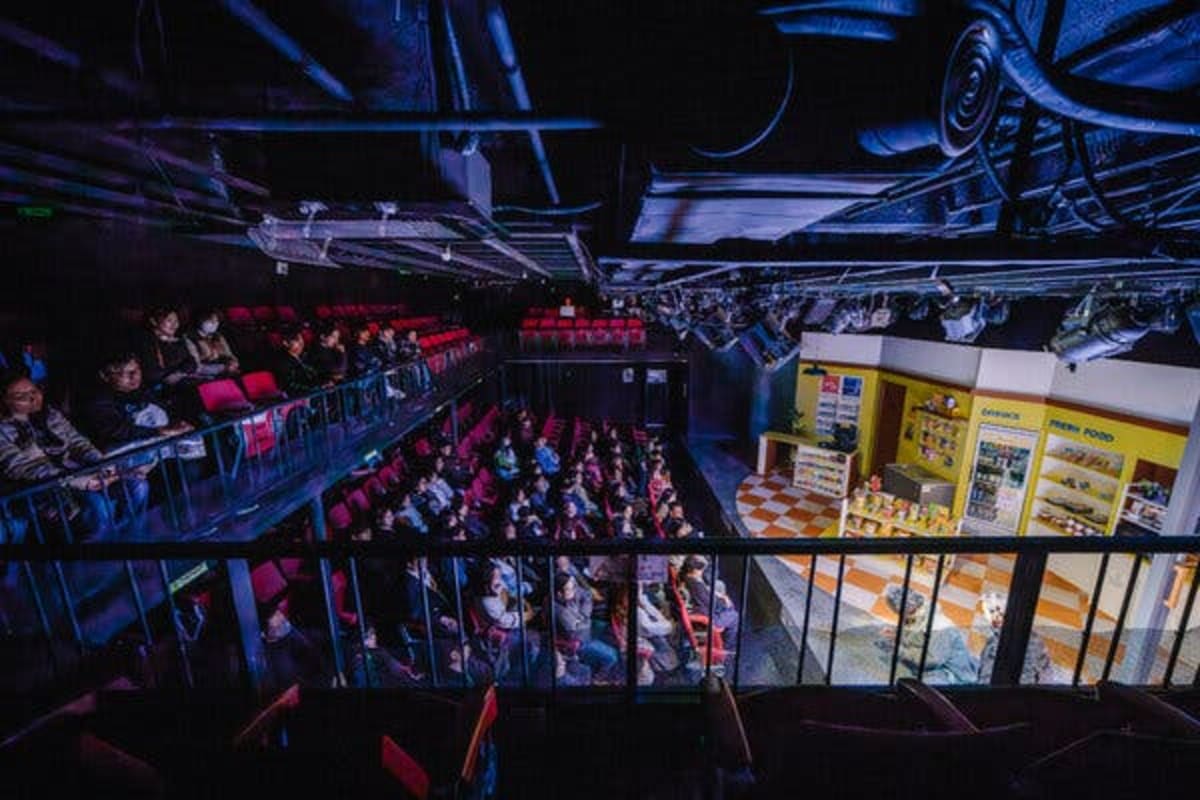
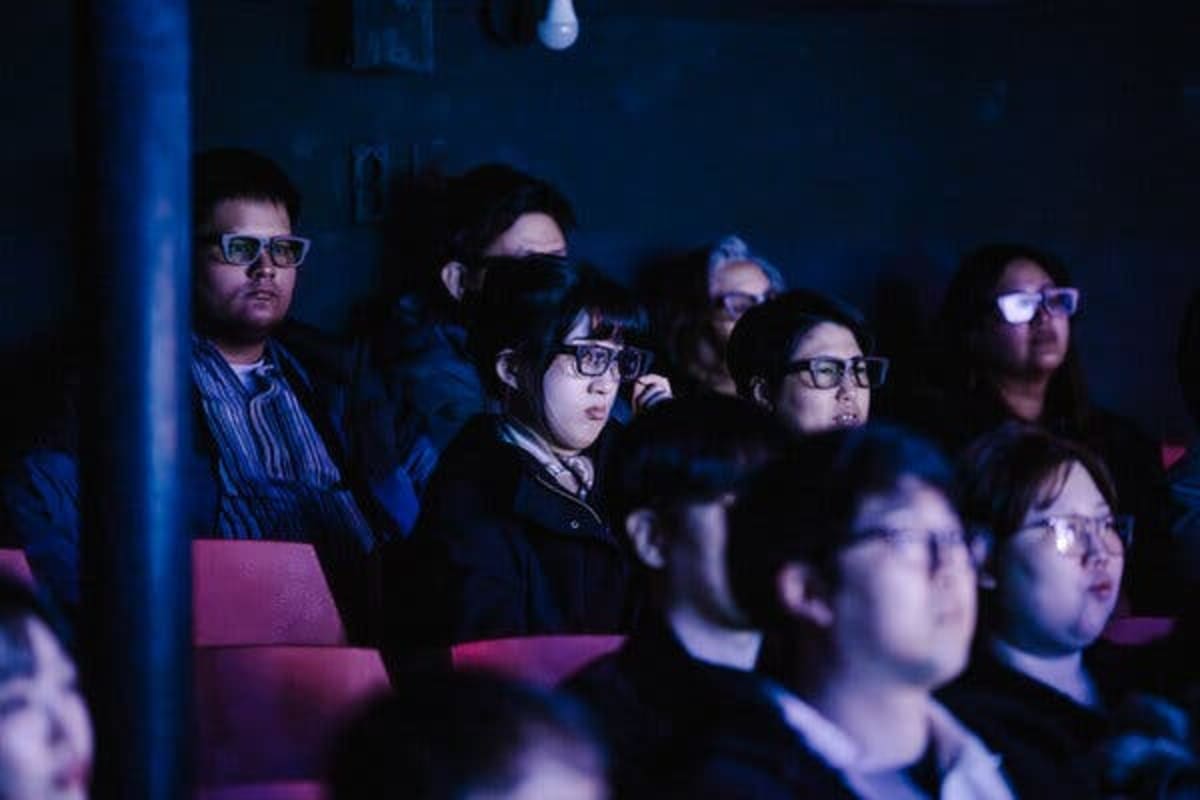
When Yuroy Wang attended a Korean play in Taipei last fall, he didn't squint at supertitles above the stage. Instead, he wore AI-powered glasses that translated the dialogue directly onto the lenses in front of his eyes.
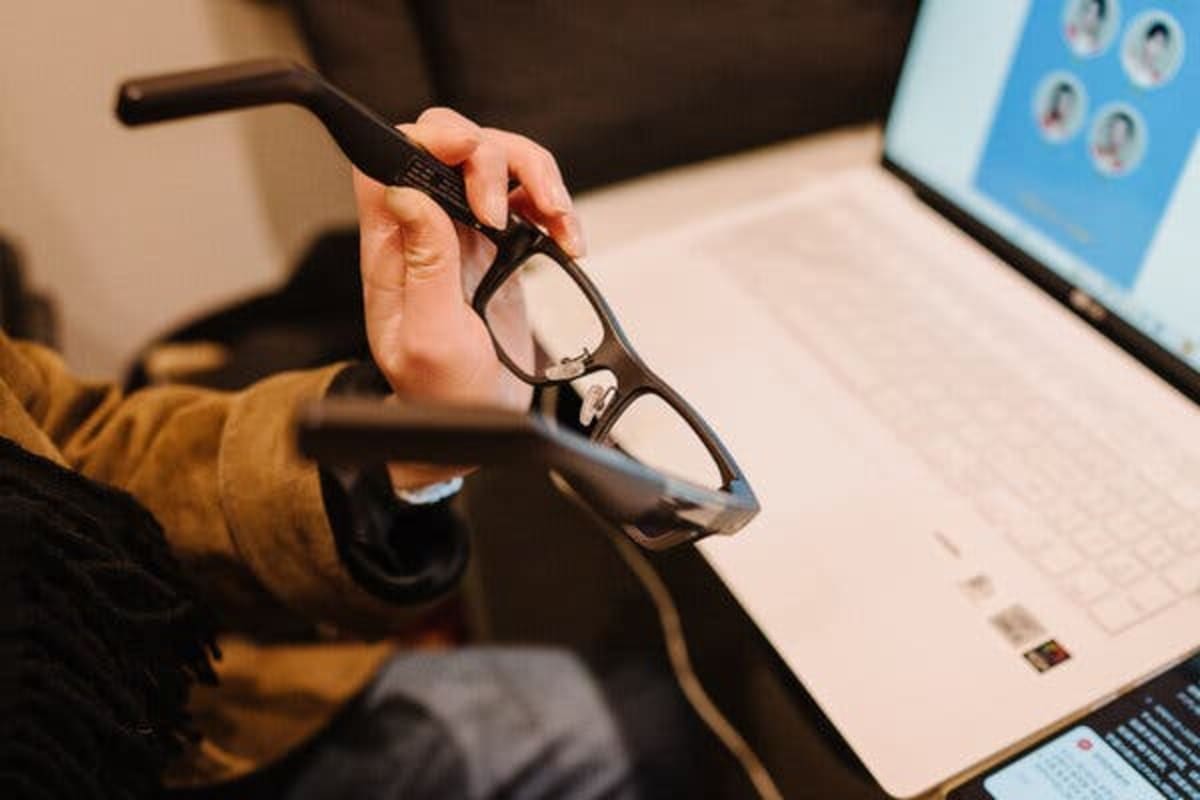
The setup is surprisingly simple. Audience members connect thick black-framed glasses to their smartphones, choose from Korean, English, Japanese, or Chinese, and adjust font size and text placement. When actors start speaking, AI listens for cue words and matches translations to the dialogue in real time.
Wang said the glasses transformed his theater experience, letting him follow the story more naturally than traditional subtitles. "I would definitely use them again, at least until I become fluent in Korean," he said.
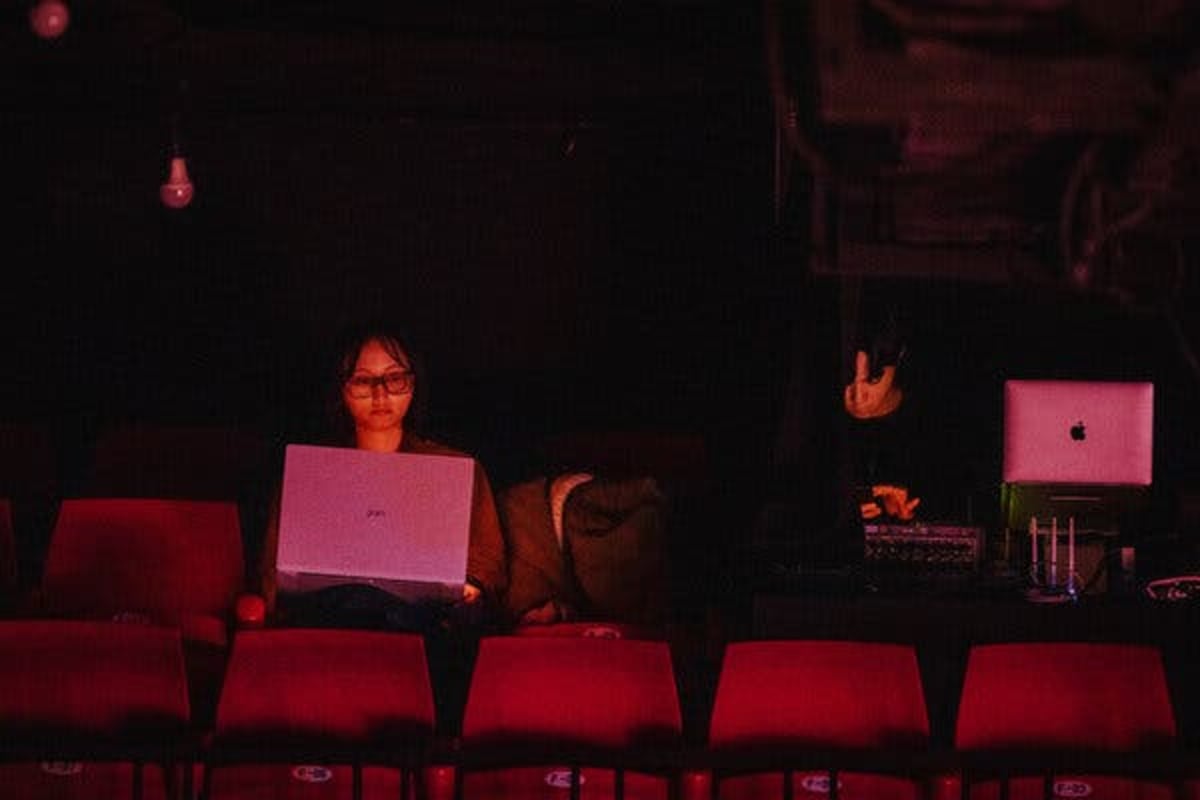
The technology comes from Xpert Inc., a Korean startup that developed the Owl system specifically for live performances. Unlike traditional subtitle systems that need human operators, Owl uses AI to keep translations synced with the action onstage. While occasional glitches still require manual fixes, the company's goal is full real-time translation in any language.
South Korea's tourism and cultural agencies are betting big on the glasses. Last year, the Korea Tourism Organization funded a four-month Smart Theater program that brought the glasses to Seoul productions and international tours. The pilot was so successful that many producers now pay for the technology themselves.
The timing couldn't be better. Korean theater is riding a wave of international interest thanks to the musical "Maybe Happy Ending," which premiered in a small Seoul theater in 2016 and swept six Tony Awards on Broadway in 2025. That success unlocked a flood of funding and changed how the industry sees its global potential.
Korea's Ministry of Culture, Sports and Tourism plans to allocate $18 million for Korean musicals this year, up from just $4 million in 2025. Shows chosen for the AI glasses program are selected based on international appeal, from "The Second Chance Convenience Store" (based on a bestselling novel) to "Inside Me" (featuring K-pop music).
The Ripple Effect
The impact is already visible in theater seats. Producers of three shows using the glasses report that foreign visitors have jumped from almost zero to nearly daily attendance. These aren't just tourists checking boxes; they're genuine fans engaging deeply with Korean stories in their original language.
Hwang Ki Hyun, who produced "The Second Chance Convenience Store," sees enormous potential in the growing number of people interested in Korean culture. "Maybe I'm being stubborn, but it doesn't feel right for something to be Korean only visually," he said. "I think the Korean language can be a part of that charm to foreigners, too."
Most users praise the glasses as far better than traditional subtitles, though the technology still has room to improve. But for producers dreaming of taking Korean theater global, the glasses represent more than just a translation tool; they're a bridge between cultures that preserves the authentic Korean experience while making it accessible to everyone.
The future of Korean theater might just be viewed through a pair of smart glasses.
More Images
Based on reporting by Regional: south korea technology (KR)
This story was written by BrightWire based on verified news reports.
Spread the positivity!
Share this good news with someone who needs it