South Korea Gives 30,000 Seniors AI Companion Robots
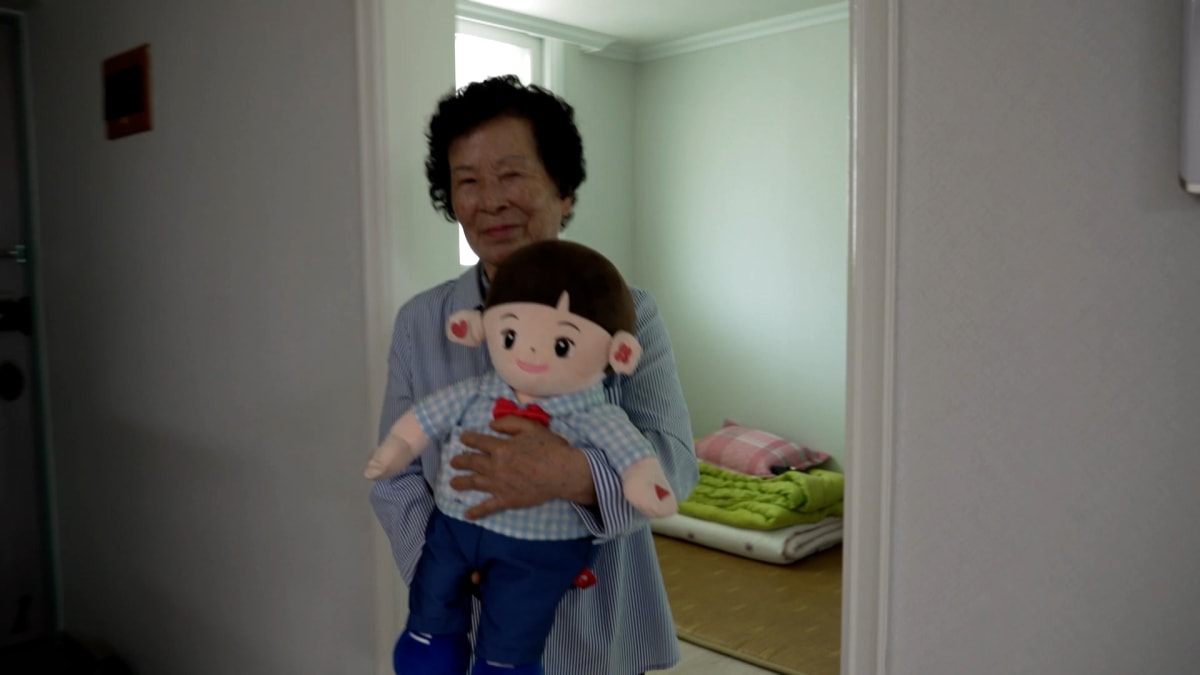
South Korea is distributing AI-powered companion dolls to tens of thousands of elderly residents to combat loneliness in one of the world's fastest-aging nations. The robots remind seniors to take their medication, monitor their wellbeing, and can call for emergency help when needed. #
Thousands of elderly South Koreans now have a new companion keeping them company, reminding them to take their pills, and checking in on their wellbeing throughout the day.
South Korea has rolled out AI-powered companion dolls to help address loneliness among its rapidly aging population. The robots serve as more than just friendly faces; they actively monitor seniors' health and can alert emergency services when help is needed.
The technology arrives at a critical time for South Korea, which has one of the world's fastest-aging populations. Many elderly residents live alone, with limited daily human contact and increasing health needs.
These AI companions perform several practical functions beyond conversation. They send medication reminders at scheduled times, track changes in daily routines that might signal health issues, and maintain an emergency contact system. When sensors detect a fall or other emergency, the robots can immediately notify family members or medical services.
The program represents a practical approach to eldercare challenges facing many developed nations. As populations age and traditional family structures change, countries are exploring technological solutions to support senior citizens while preserving their independence.
The Ripple Effect
The initiative extends beyond individual wellbeing to address broader societal challenges. By helping seniors maintain independence longer, these companions reduce the immediate burden on overcrowded healthcare systems and overextended family caregivers.
The technology also opens conversations about the evolving role of AI in daily life. While the robots can't replace human warmth and connection, they fill gaps in care that might otherwise leave vulnerable people at risk.
South Korea's investment in this technology signals growing recognition that aging populations need innovative solutions. Other nations facing similar demographic shifts are watching closely to see how technology and human care can work together.
Questions remain about whether artificial companionship can truly address the deeper human need for connection. The robots offer consistency and reliability, but they operate within programmed parameters rather than genuine emotional understanding.
The success of these companions will ultimately be measured not by their technical capabilities but by whether they genuinely improve quality of life for the people they serve.
#
Based on reporting by Al Jazeera English
This story was written by BrightWire based on verified news reports.
Spread the positivity!
Share this good news with someone who needs it