AI Helps Scientists Decode Crow and Whale Communication
Scientists are using artificial intelligence to decode how crows and orcas communicate, analyzing years of recorded calls in hours instead of months. The breakthrough technology is helping researchers understand complex animal societies and protect marine life from underwater noise pollution.
For decades, two scientists in Spain have been trying to answer a fascinating question: what are crows saying to each other?
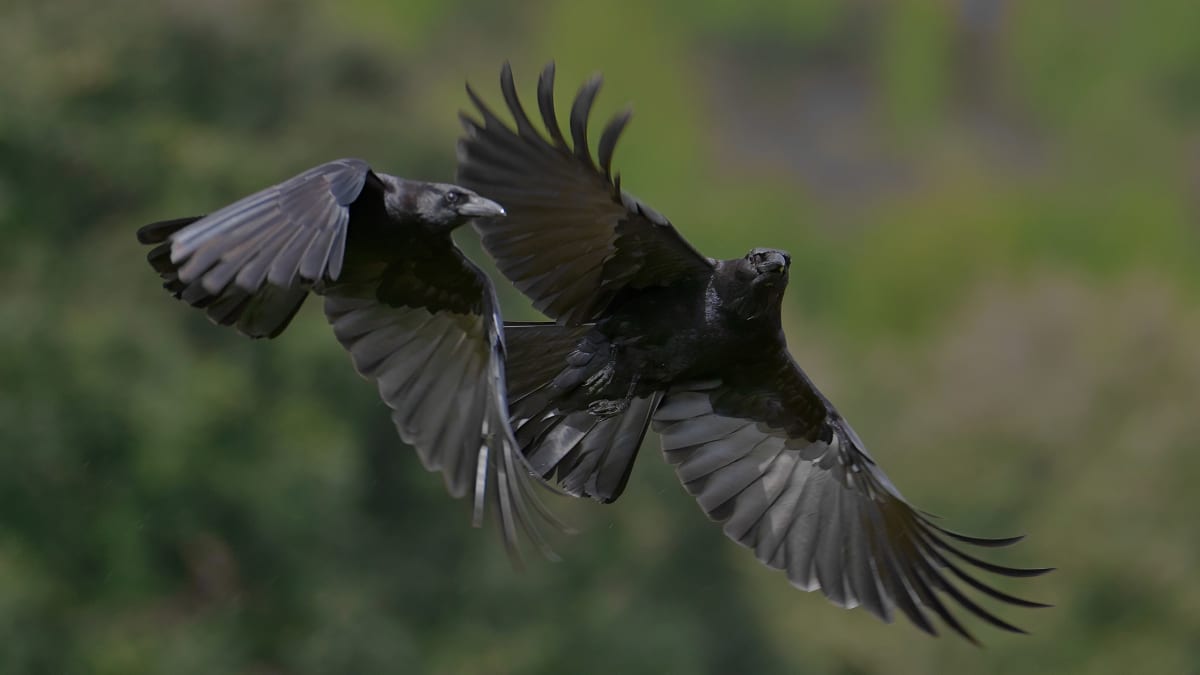
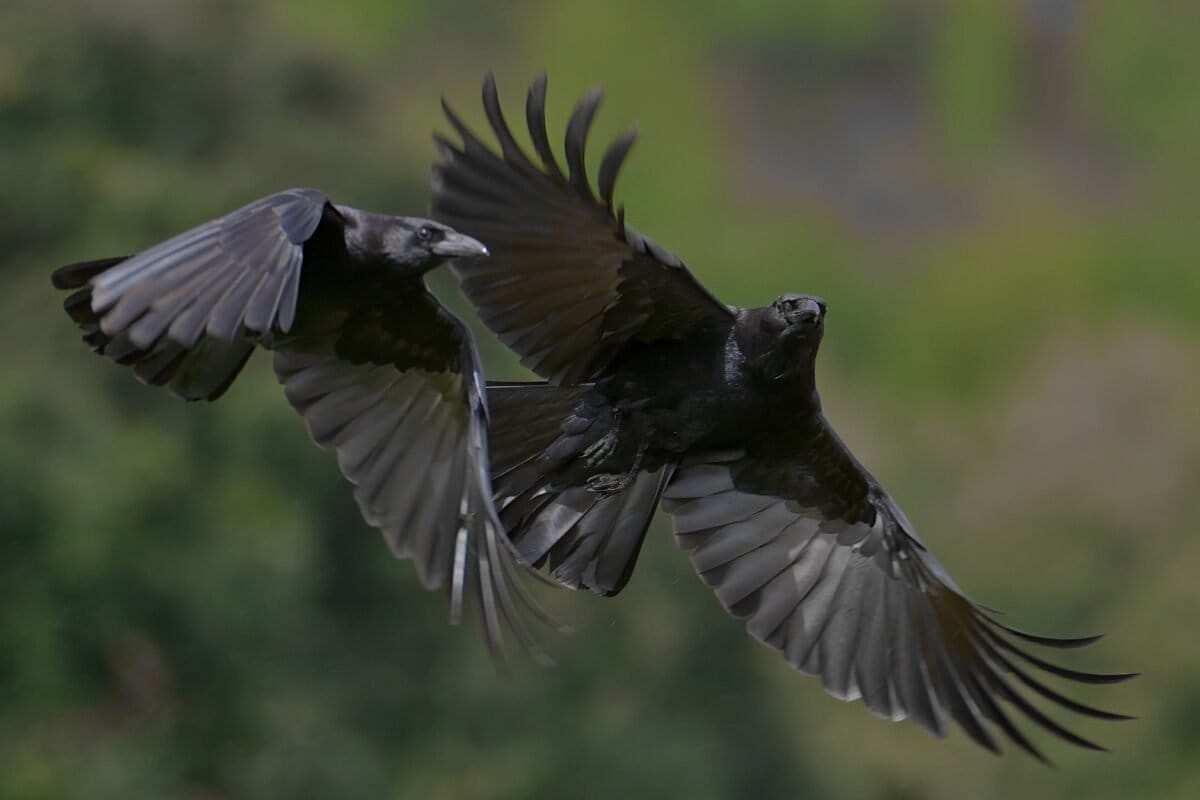
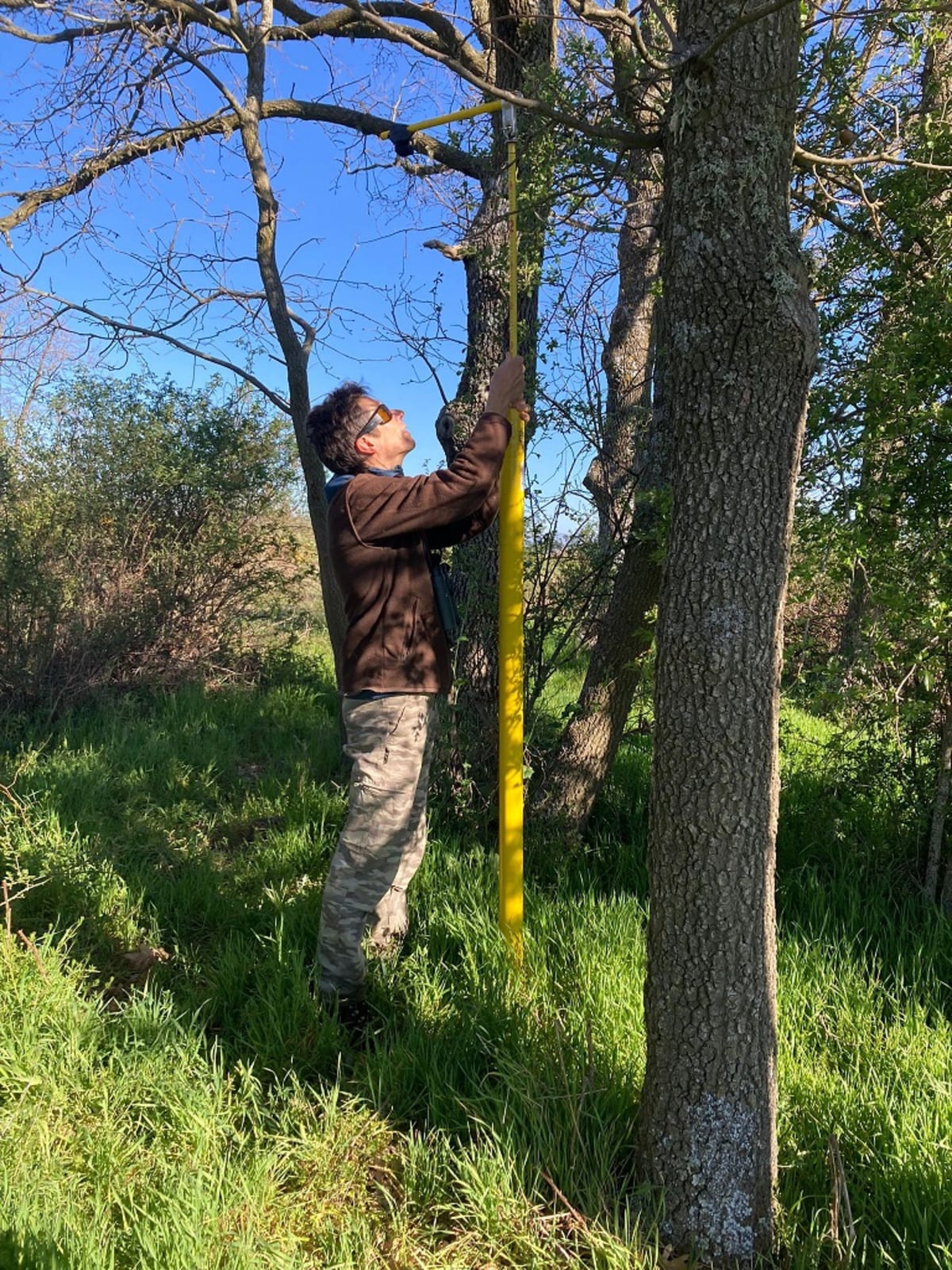
Vittorio Baglione and Daniela Canestrari from the University of León have studied carrion crows for years, captivated by their complex family structures. These birds practice cooperative breeding, where aunts, uncles, and siblings all help raise the chicks and protect the nest together.
That kind of teamwork requires sophisticated communication. The scientists deployed audio recorders across northern Spain to capture crow conversations, hoping to crack the code.
But they hit an unexpected problem. Each microphone recorded six to seven days of continuous audio, and they soon had mountains of data they couldn't possibly analyze by hand.
Enter the Earth Species Project, a nonprofit that builds artificial intelligence tools to decode animal communication. Since 2024, the organization has helped the Spanish researchers develop AI models that can automatically categorize different types of crow calls.
The results have been stunning. The technology has detected more than 127,000 vocalizations and can tell the difference between adult and baby crow calls. It can even separate crow voices from other bird species when multiple animals are calling at once.
The researchers discovered something surprising: most crow communication happens through soft, quiet murmurs. This suggests the birds talk to each other primarily at close range, like families having intimate conversations rather than shouting across distances.
The Ripple Effect
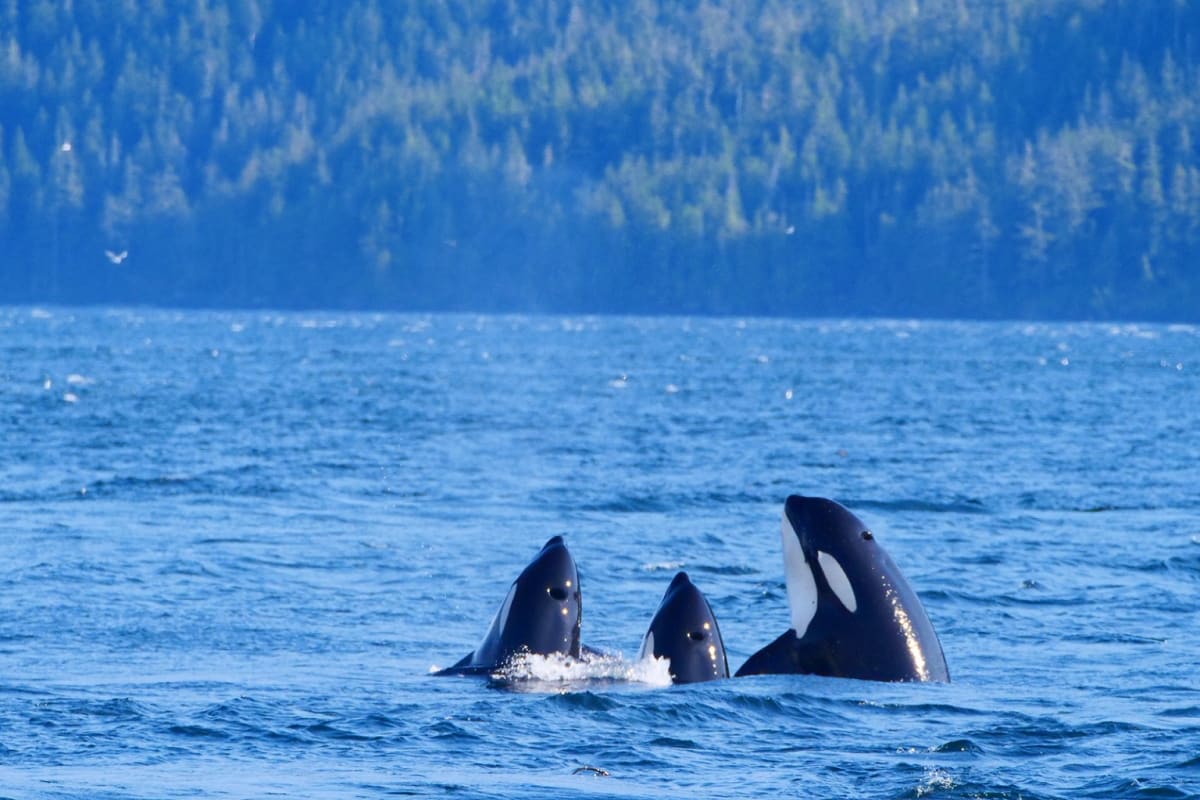
The same technology is making waves in ocean conservation. At the Raincoast Conservation Foundation in Canada, scientists are using Earth Species Project tools to understand how orcas communicate.
Orcas live in tight family groups and use calls to coordinate hunting and travel. Decoding their language could reveal how underwater noise from ships and industry disrupts their ability to talk to each other.
Valeria Vergara, who leads the cetacean research program, says the AI has transformed their workflow. Tasks that once took months now take an hour. Instead of listening to every minute of ocean recordings, the AI picks out whale vocalizations automatically.
David Robinson, a senior scientist at Earth Species Project, believes understanding animal communication can help bridge the growing disconnect between humans and nature. Hearing the complexity in other species' conversations might help us appreciate their inner lives.
The team has built AI models that work across multiple species and partners with researchers worldwide to create custom tools for specific animals. They're now working to combine audio recordings with video footage and movement data to create complete maps of animal communication.
What started as two scientists overwhelmed by crow recordings has become a window into understanding how some of Earth's most intelligent creatures share information, coordinate action, and build their societies.
More Images

Based on reporting by Mongabay
This story was written by BrightWire based on verified news reports.
Spread the positivity!
Share this good news with someone who needs it