AI Predicts Breast Cancer Progress at University of Southampton
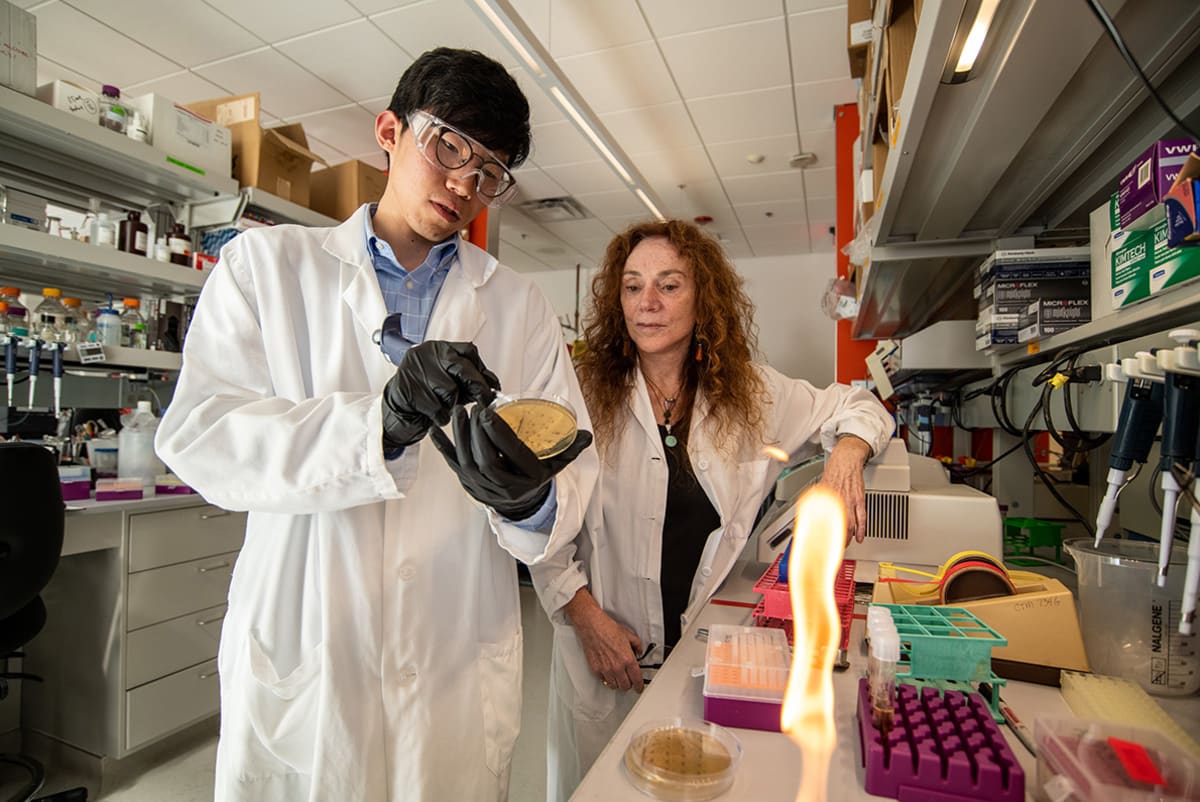
Scientists at the University of Southampton developed an AI that can see microscopic patterns in breast cancer tumors invisible to the human eye. The breakthrough could help doctors predict how aggressive each patient's cancer will be and personalize treatment.
Scientists just cracked a code that cancer cells have been hiding for more than a century, and the discovery could transform how doctors treat breast cancer patients.
Researchers at the University of Southampton created an AI platform called CenSegNet that can analyze tiny cellular structures called centrosomes inside tumors. These structures, smaller than the eye can see, have puzzled scientists since they were first linked to cancer over 100 years ago.
The problem was simple but frustrating. Centrosomes are so small and constantly changing that examining them in actual patient tissue samples proved nearly impossible. Doctors knew they mattered but couldn't study them effectively.
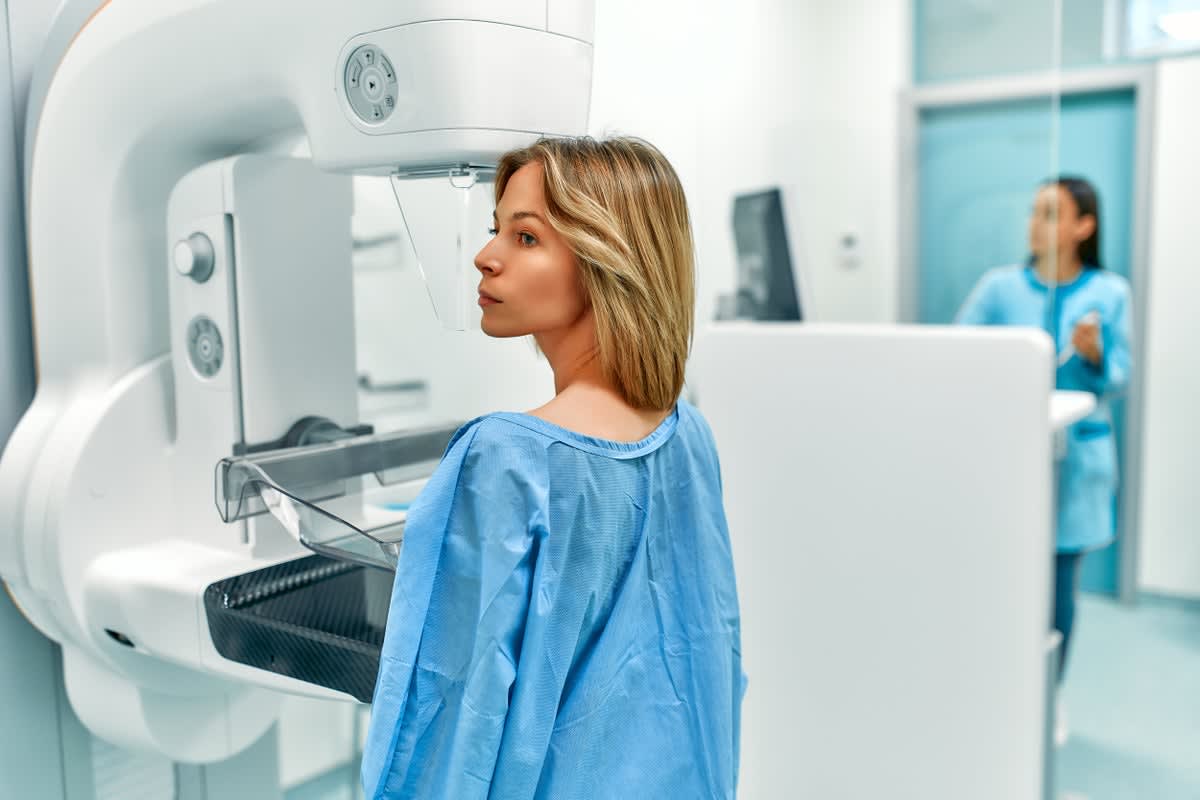
CenSegNet changed everything. The AI analyzed tissue samples from 127 breast cancer patients treated at University Hospital Southampton, examining more than 330,000 individual centrosomes. That's the kind of scale humans simply can't match.
The platform uncovered something remarkable. What scientists thought was one type of centrosome abnormality turned out to be two completely different problems. Some cancer cells were making too many centrosomes, while others had abnormally large ones.
Even more importantly, these different defects behave independently and show up in different areas of tumors. Dr. Salah Elias from the University of Southampton explained that instead of viewing centrosome problems as one phenomenon, they're actually distinct biological states.
The clinical implications are significant. Tumors with high levels of enlarged centrosomes proved more aggressive. Patients with lower levels of these enlarged structures had better survival rates.
The Ripple Effect
This discovery opens doors that extend far beyond understanding cancer better. Different combinations of centrosome defects may influence how tumors grow, how they invade surrounding tissue, and critically, how they respond to treatment.
The research team is already working on the next steps. They're planning to combine CenSegNet with additional data to explore whether it can actively guide treatment decisions for individual patients. The goal is developing new biomarkers that help doctors choose the most effective therapy for each person's unique cancer.
The researchers believe AI could eventually track disease progression by monitoring how these cellular structures behave over time. That means doctors wouldn't just get a snapshot of cancer at diagnosis but could watch how it evolves and adjust treatment accordingly.
For breast cancer patients, this represents a shift toward truly personalized medicine. Instead of broad treatment categories, doctors could one day tailor therapies based on the specific centrosome patterns in each tumor.
The study appeared in Nature Communications, marking another step forward in using artificial intelligence to solve medical mysteries that have stumped scientists for generations.
More Images

Based on reporting by Google News - AI Breakthrough
This story was written by BrightWire based on verified news reports.
Spread the positivity!
Share this good news with someone who needs it