First Narcolepsy Drug Treats Root Cause, Not Just Symptoms
The FDA just approved the first drug that treats the biological cause of narcolepsy instead of just masking symptoms. For millions struggling with extreme daytime sleepiness and nighttime wakefulness, this breakthrough offers hope for a normal life.
Tyler Chapman used to sleep 16 hours a day, struggled through school fueled by coffee, and sometimes collapsed when he laughed. Now the 19-year-old University of Tennessee student is planning a trip to Mount Everest base camp to celebrate his transformation.
Earlier this month, the FDA approved oveporexton (marketed as Orzeyful), the first drug designed to treat the root cause of narcolepsy rather than just its symptoms. For the roughly 3 million people worldwide living with this sleep disorder, the approval marks a turning point in treatment.
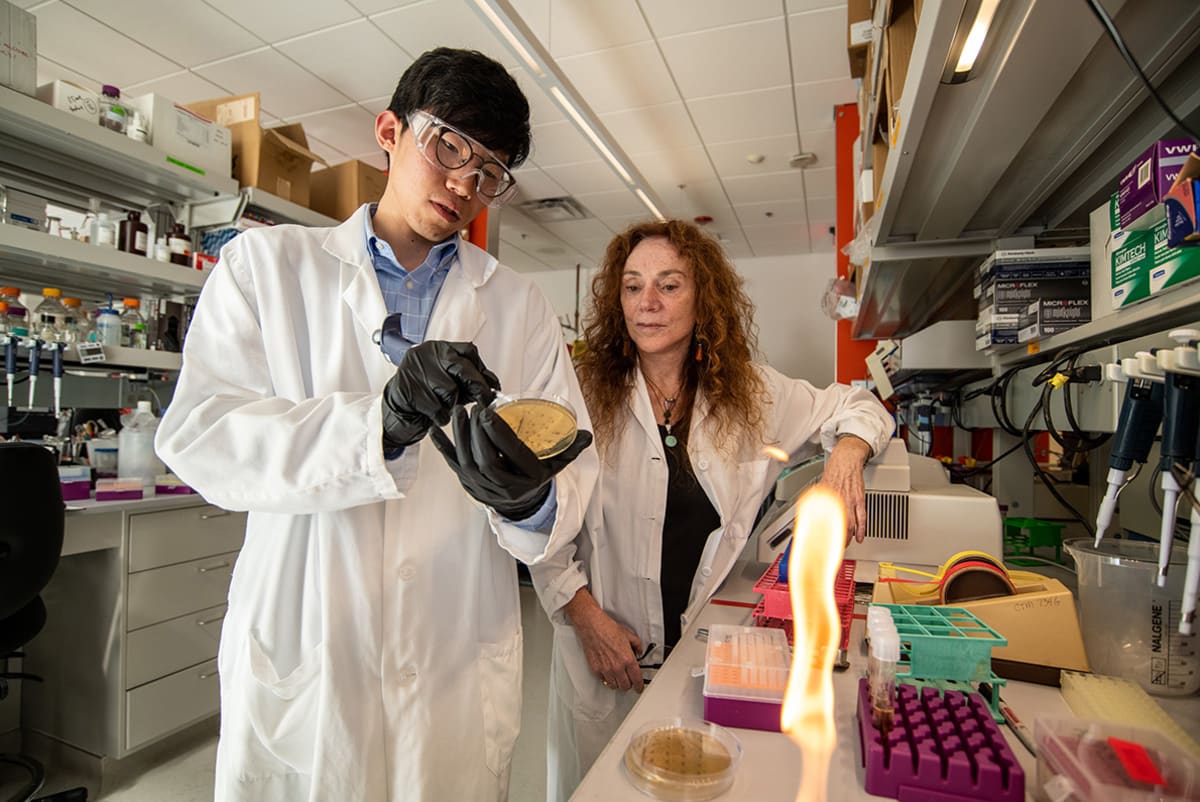
Chapman volunteered for one of the clinical trials that led to the drug's approval. After trying more than a dozen medications that often caused severe psychological side effects, he finally found relief. "It's the best thing that has ever happened to me," he says.
The breakthrough came from understanding what actually causes type 1 narcolepsy. In the late 1990s, researchers discovered that a peptide called orexin goes missing in the brains of people with this condition. Around 70,000 neurons in the brain's hypothalamus produce orexin, and when these cells die off, the brain can't regulate the sleep-wake cycle properly.
Scientists at Takeda Pharmaceuticals scanned their massive database of chemical compounds and found one that mimics orexin. The compound activates orexin's receptors in the brain, helping stabilize wakefulness and sleep circuits. They first identified the candidate in 2011, but spent years developing it into an oral pill and testing it.
The clinical trials enrolled 273 people with type 1 narcolepsy, giving them either twice-daily doses of the medication or a placebo. People who received the drug could stay awake during the day and sleep through the night. They also reported improvements in cataplexy, sleep paralysis, and hallucinations.
"Patients become more or less like normal people," says Emmanuel Mignot, a sleep medicine specialist at Stanford University who led the late-stage trials. "Suddenly they really know what it is to be awake."
The Ripple Effect
This approval opens doors beyond narcolepsy treatment. Pharmaceutical companies are racing to develop similar orexin agonist drugs, with the market projected to exceed $6.4 billion annually by the early 2030s. Researchers believe this class of drugs might eventually help treat other neuropsychiatric disorders that involve disrupted sleep-wake cycles.
For Chapman, the impact is immediate and personal. Instead of rarely going out, he's now experiencing everything university life has to offer. His quality of life has improved so dramatically that celebrating at one of the world's highest elevations feels possible.
The journey from molecular discovery to FDA approval took decades, but for people like Chapman, the wait was worth it.
More Images


Based on reporting by Nature News
This story was written by BrightWire based on verified news reports.
Spread the positivity!
Share this good news with someone who needs it