AI Predicts Coral Bleaching 6 Weeks Before It Happens
Scientists created an AI tool that warns coral reef managers up to six weeks before deadly heat stress strikes Florida's reefs, giving them precious time to act. The breakthrough could help save endangered coral ecosystems from catastrophic bleaching events.
Scientists just gave coral reefs a fighting chance with an AI system that predicts deadly heat stress weeks before it happens.
Researchers at the University of Miami developed a machine learning model that forecasts moderate heat stress at Florida reef sites up to six weeks in advance, with predictions typically accurate within one week. The tool gives reef managers crucial time to prepare emergency responses before coral bleaching begins.
"This model gives coral scientists and resource managers advance notice of whether heat stress is likely to occur in a season and, more importantly, the week it is most likely to begin," said lead author Marybeth Arcodia. She works at the University of Miami Rosenstiel School of Marine, Atmospheric, and Earth Science.
The AI system analyzes decades of environmental data, including sea surface temperatures, air temperature, winds, solar radiation, and ocean current patterns from 1985 to 2024. It creates customized predictions for individual reef sites, recognizing that each location faces unique environmental pressures.
The timing couldn't be better. Florida and Caribbean reefs are experiencing increasingly frequent and severe heat stress events, including the record breaking 2023 marine heat wave that devastated coral populations.
The Bright Side
The AI doesn't just predict when trouble is coming. It explains why, identifying the specific environmental factors driving heat stress at each reef site.
"Our model identifies potential factors that influence thermal stress at a given reef site," said co-author Richard Karp. "This information gives managers an opportunity to identify trigger points in emergency action plans."
That means reef managers can prioritize which sites need monitoring, decide when to launch emergency interventions, and focus resources where they'll have the biggest impact. Actions might include relocating endangered corals, deploying shade structures, or intensifying water quality monitoring.
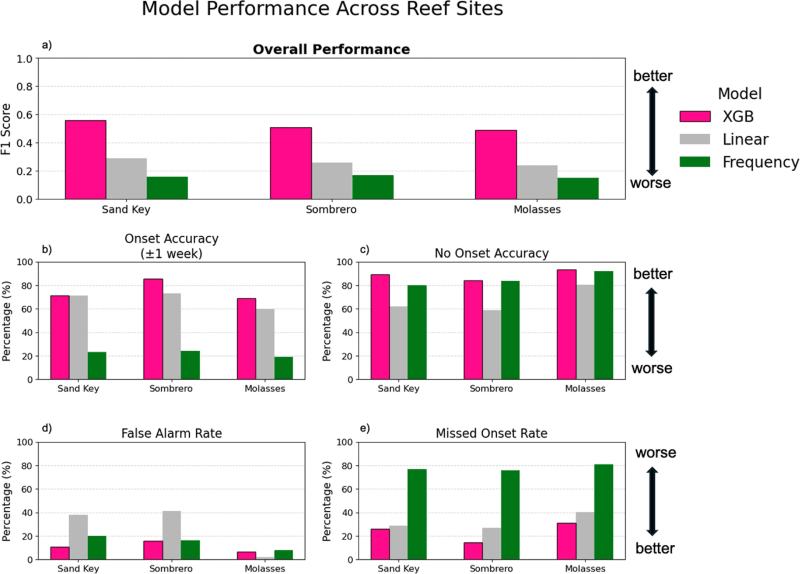
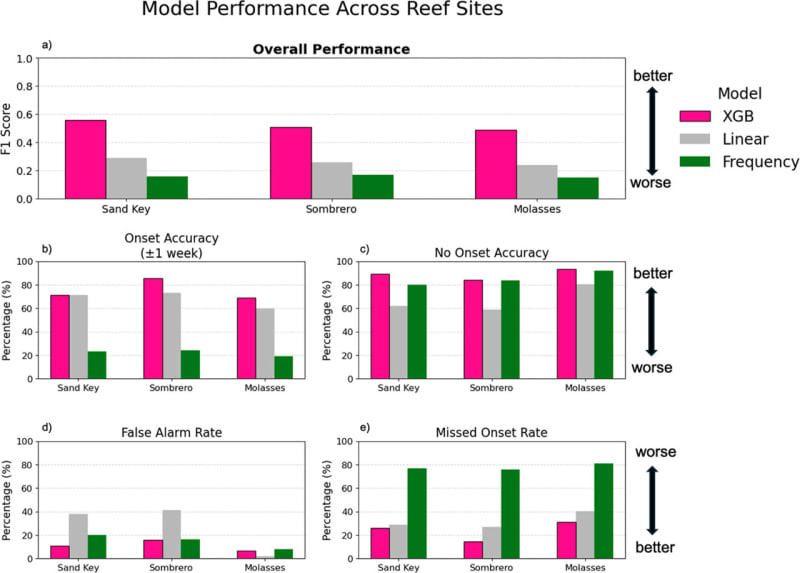
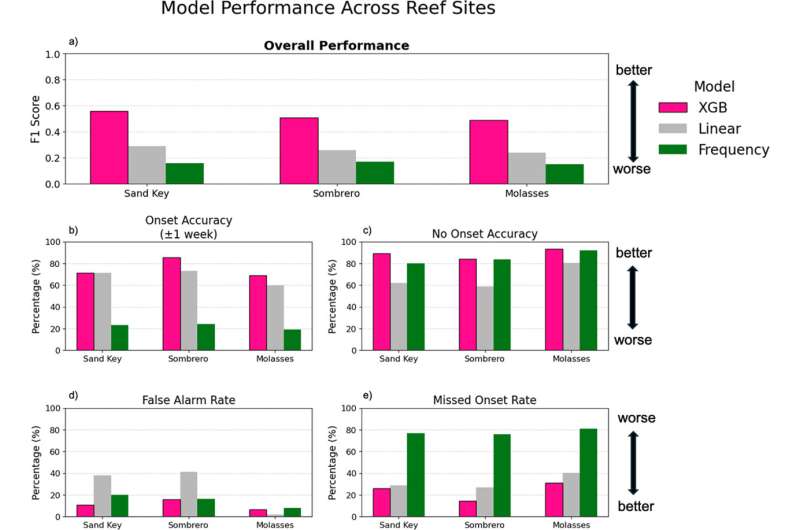
The system outperformed two traditional forecasting methods in both predicting whether heat stress would occur and pinpointing when it would start. Surface air temperature consistently ranked among the most important warning signs, though other factors varied by location and time frame.
The researchers designed their tool to complement existing systems like NOAA Coral Reef Watch by adding localized, season by season timing signals. It transforms broad regional warnings into actionable intelligence for specific reefs.
With coral reefs supporting 25% of all marine life and protecting coastlines from storms, this early warning system offers hope for preserving these vital ecosystems for future generations.
More Images

Based on reporting by Phys.org
This story was written by BrightWire based on verified news reports.
Spread the positivity!
Share this good news with someone who needs it