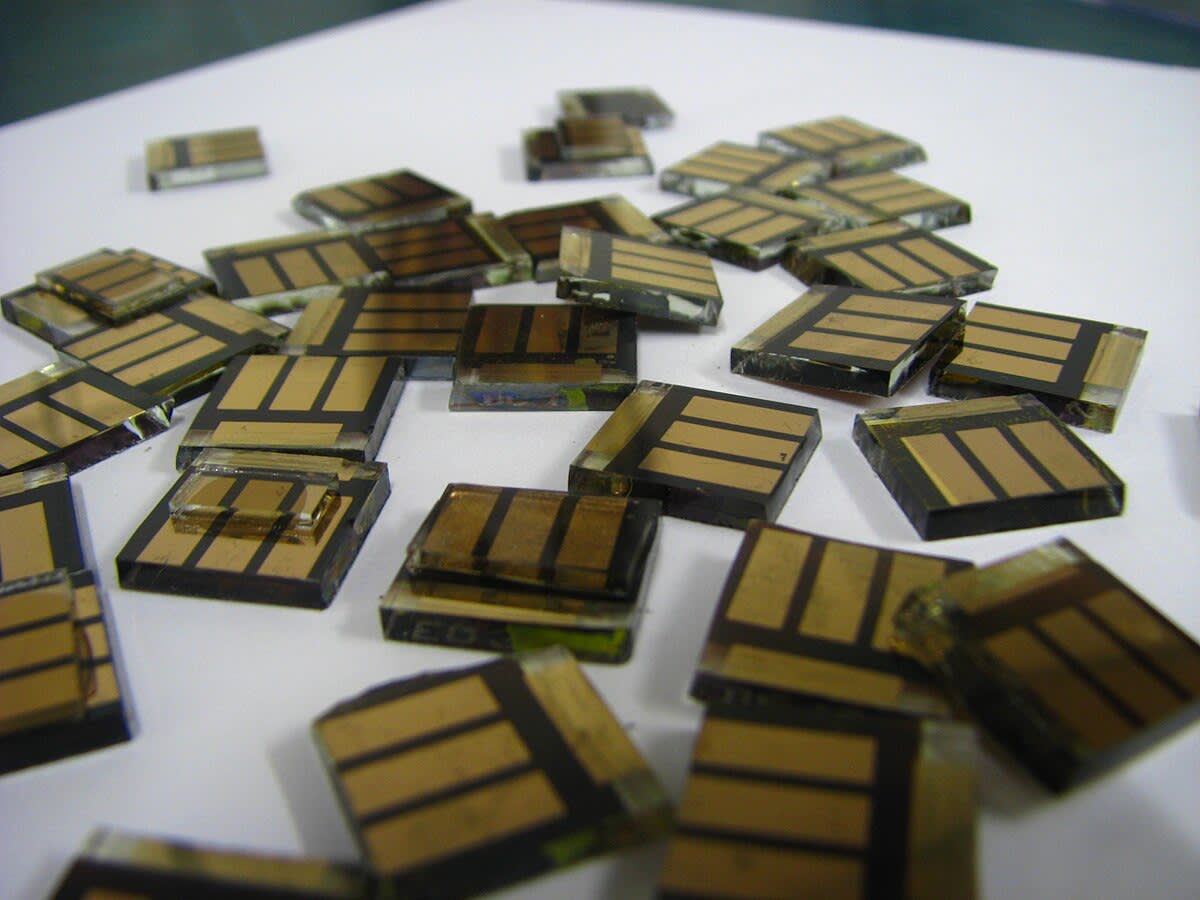
AI Robot Designs Solar Cells, Hits 27% Efficiency Record
A self-improving robotic system just designed and built over 50,000 solar cells on its own, achieving record-breaking efficiency. The AI learns from decades of research to create better clean energy technology faster than human teams ever could.
Scientists have created a robotic system that designs, builds, and perfects solar cells all by itself, reaching an impressive 27% efficiency without human guidance.
The international research team built a platform powered by artificial intelligence that learns from 60,000 published solar cell studies. Instead of just following instructions, the system thinks creatively, proposing new recipes and testing them through 11 specialized robotic boxes working together.
The setup is remarkably sophisticated. Over 1,500 components handle everything from mixing chemicals to coating materials, laser processing, and quality testing. Cameras and sensors feed real-time data back to the AI brain, which learns from every single experiment and gets smarter with each attempt.
The results speak for themselves. The system has already fabricated and tested 50,764 solar cell devices, working through four distinct improvement stages on its own.
In the first stage, the robots experimented broadly with different formulas, achieving efficiencies up to 17.4%. As the AI learned patterns, it started adding special compounds to improve how materials crystallized, boosting performance to around 23%. The third stage introduced surface treatments that reduced defects, reaching 25.6% efficiency. The final configuration combined the best strategies to hit 27% efficiency, certified independently at 26.5%.
That certified result puts these AI-designed cells among the best perovskite solar cells ever created. The entire journey happened autonomously, with the system teaching itself which approaches worked best.
The Ripple Effect
This breakthrough matters far beyond one lab's achievement. Solar energy adoption depends heavily on efficiency improvements and cost reductions. Human researchers typically test dozens or maybe hundreds of variations over months or years. This system tested over 50,000 in the same timeframe, accelerating discovery exponentially.
The platform doesn't just automate repetitive tasks. It actually understands the science behind what it's doing, encoding formulas into machine-readable recipes and learning from both successes and failures. That means it can propose genuinely novel solutions that human researchers might never consider.
The research team, spanning institutions from Hong Kong to Oxford, published their findings in Engineering. They emphasized that combining controlled fabrication, high-throughput testing, and continuous AI learning creates a powerful engine for innovation.
As climate challenges demand faster clean energy solutions, tools like this could compress decades of traditional research into years or even months, bringing affordable, efficient solar power to communities worldwide faster than ever imagined.
More Images

Based on reporting by PV Magazine
This story was written by BrightWire based on verified news reports.
Spread the positivity!
Share this good news with someone who needs it

.jpg%3Fitok%3DHHGtzxmb)