AI Robots Boost Recycling Rates to 50% While Turning Profit
Trash-sorting robots are transforming recycling facilities from money pits into profit centers, pulling valuable materials from waste streams at unprecedented speeds. The machines are hitting 50% recycling rates while major companies see profits jump 18%.
What if the secret to solving our recycling crisis wasn't getting people to sort better, but teaching robots to dig through our trash faster than we ever could?
That's exactly what's happening at recycling facilities across America, where AI-powered robots are turning waste management into an unexpectedly profitable business. Republic Services, the nation's second-largest waste company, now uses robotic sorters in one-third of its 79 facilities.
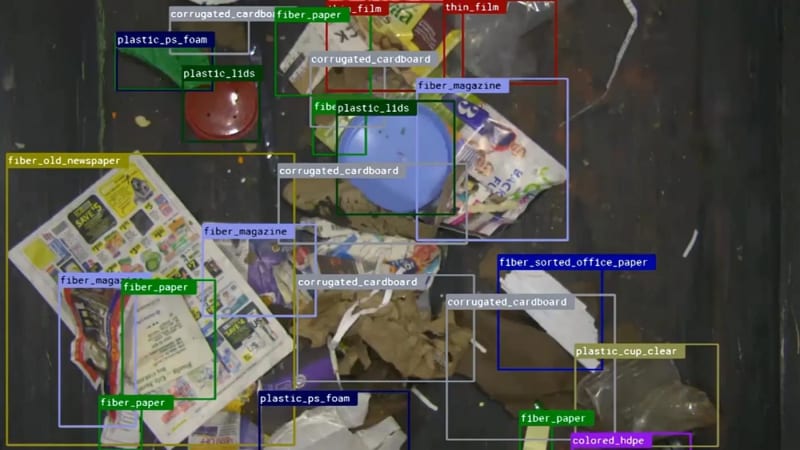
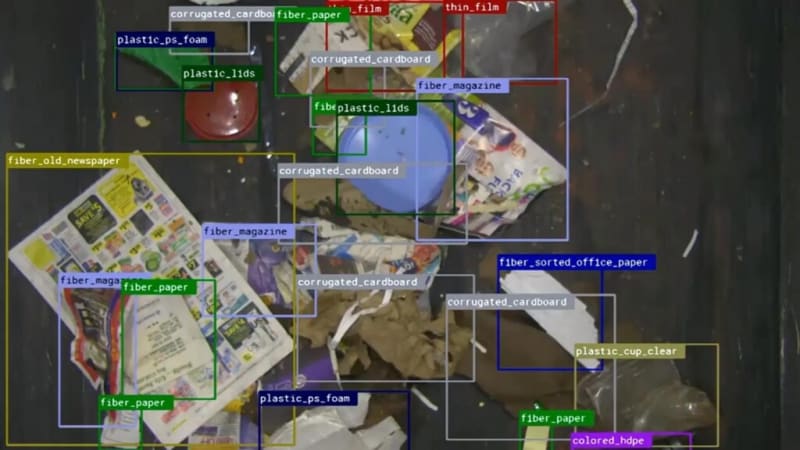
These aren't simple machines. Amp Robotics' Cortex system recognizes billions of different shapes, colors, logos, and even product codes as trash flies by on conveyor belts. The robot picks out 80 separate items per minute, using claw arms and air puffs to sort materials into the right bins.
The technology arrived at the perfect moment. Rising prices for recycled aluminum, paper, and plastic mean that pulling materials from trash is finally worth more than it costs. For years, the economics never worked out.
"There really is value in a lot of recyclables and garbage," says Matanya Horowitz, founder of Amp Robotics. "The problem has been that the cost of pulling those materials out is similar to or greater than the actual value of those materials."
Amp recently signed a 20-year deal to operate a Virginia recycling facility that had been failing miserably with just a 7% recycling rate. The company gets $50 for every ton of waste it accepts, and agrees to pay damages if it can't divert at least 50% from landfills. So far, it's never missed that target.
The nation's largest waste company invested $1.4 billion in these sorting robots. Their third-quarter profits rose 18% thanks to higher quality and quantity of recycled materials.
Pete Keller from Republic Services says the return on investment isn't about replacing workers anymore. "That's about recovery rates, value extraction, purity and quality," he explains.
The Ripple Effect
The robots are solving problems humans couldn't crack alone. Recycling facilities have always struggled to find workers willing to sort through garbage all day. Now the few remaining employees just guard conveyor belts against dangerous or oversized items.
More importantly, the robots are keeping materials out of landfills at rates human sorters never achieved. Every percentage point increase means tons of aluminum, plastic, and paper get second lives instead of sitting in the ground for centuries.
As recycling becomes profitable, more companies are investing in the technology, creating a positive cycle that could finally make America's recycling system work the way it was supposed to.
The trash we throw away might just become the treasure that saves our planet.
More Images



Based on reporting by Good News Network
This story was written by BrightWire based on verified news reports.
Spread the positivity!
Share this good news with someone who needs it