AI Robots Now Learn in Minutes, Not Hours
A new simulation platform generates realistic robot training environments from simple text commands in just minutes. This breakthrough could slash the time and cost of developing robots that understand and interact with the real world.
Teaching robots to navigate the real world just got dramatically faster and cheaper.
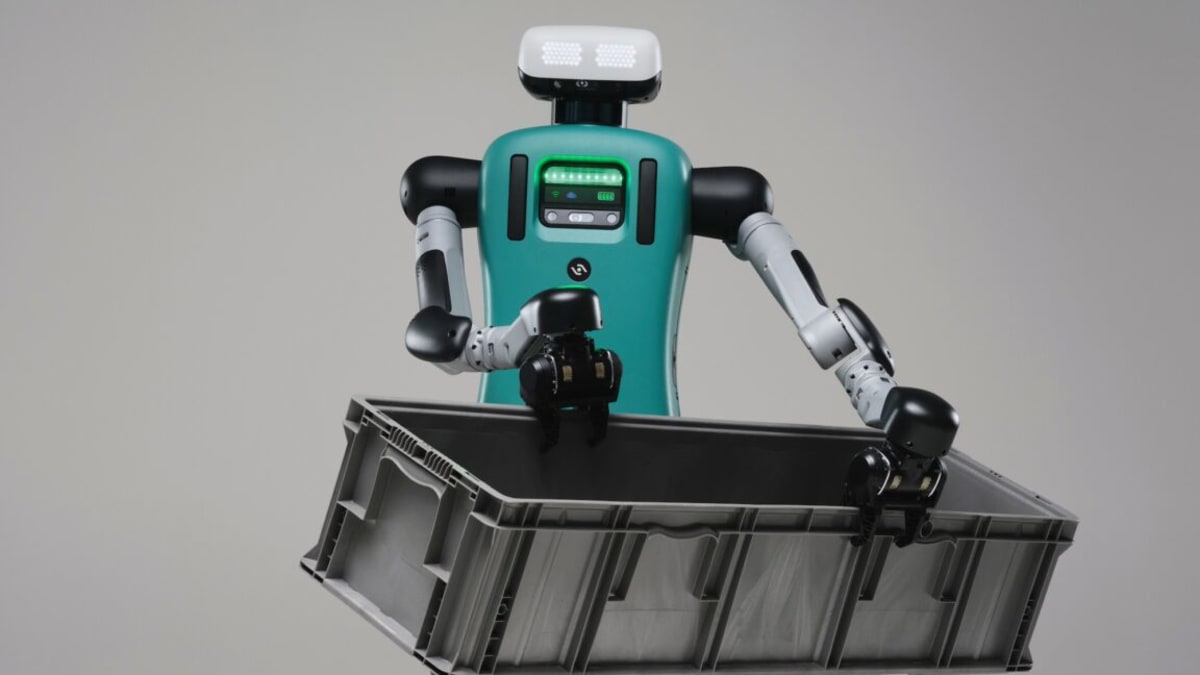
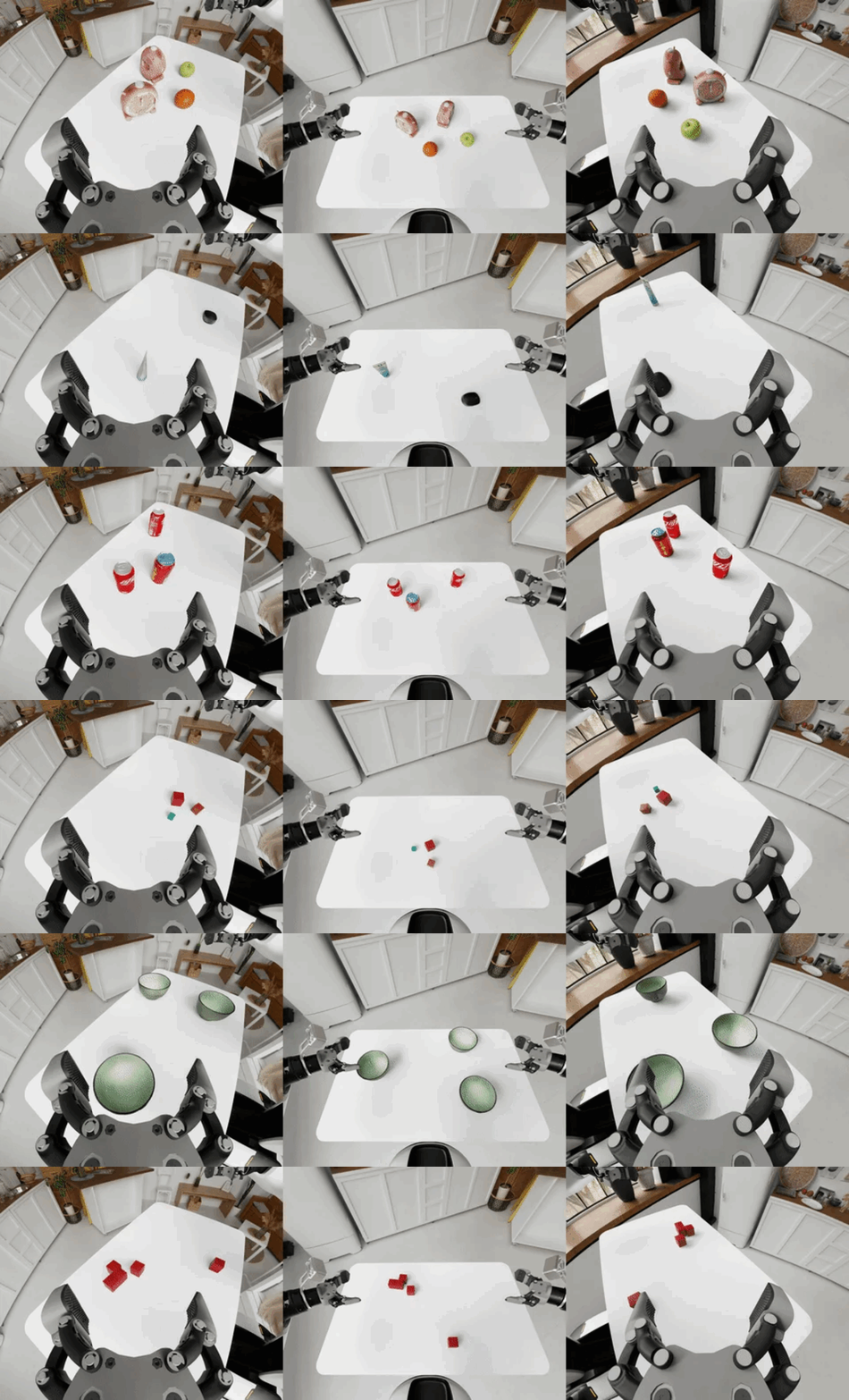
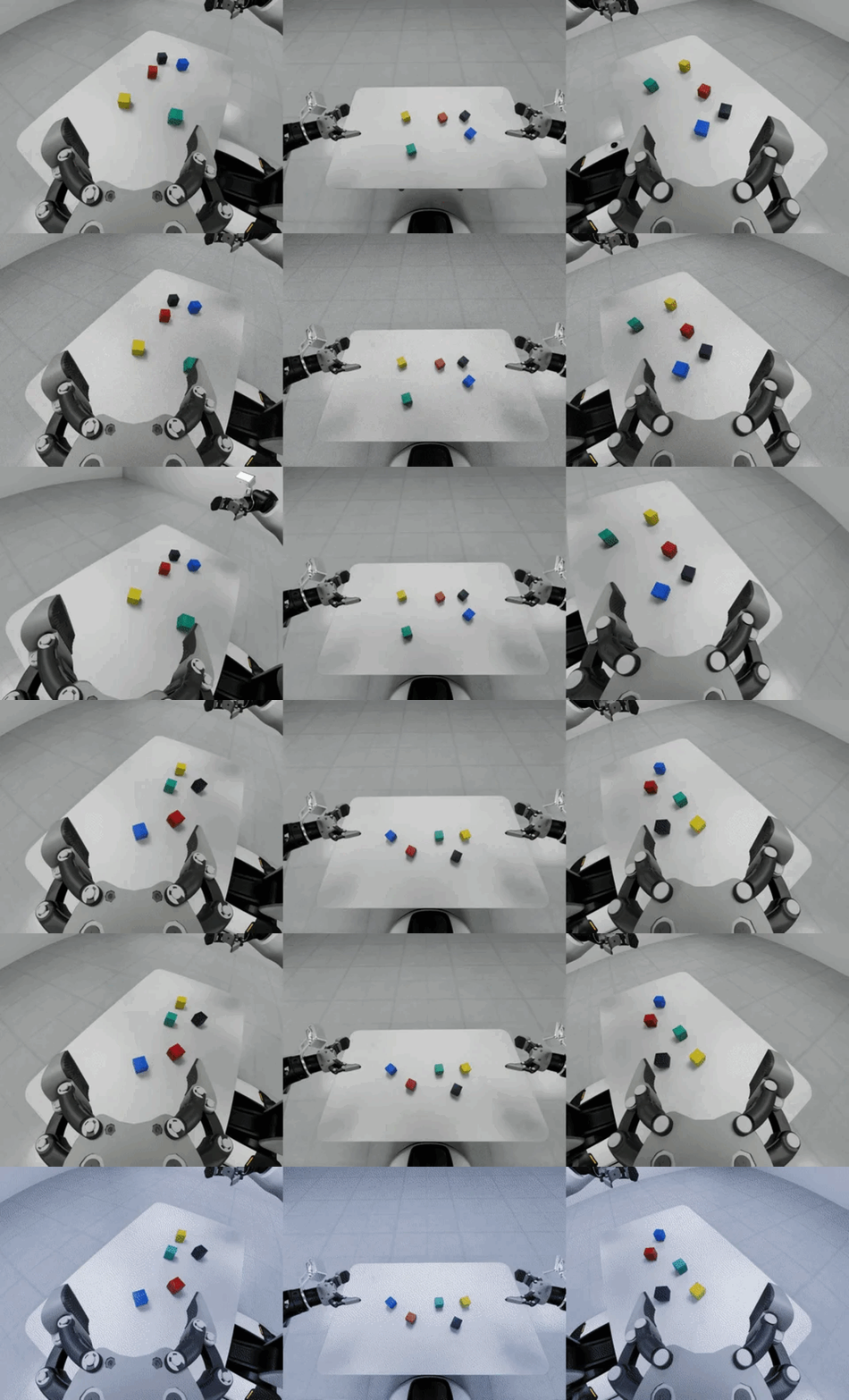
Chinese robotics company AGIBOT has launched Genie Sim 3.0, a platform that creates realistic 3D training environments for robots in minutes instead of hours. Users simply type what they want or upload an image, and the system generates a fully interactive virtual world where robots can learn and practice.
The innovation tackles one of robotics' biggest headaches: collecting enough real-world data to train AI systems. Recording robots performing tasks in actual environments costs serious money and time. Plus, it's nearly impossible to expose them to every situation they might encounter.
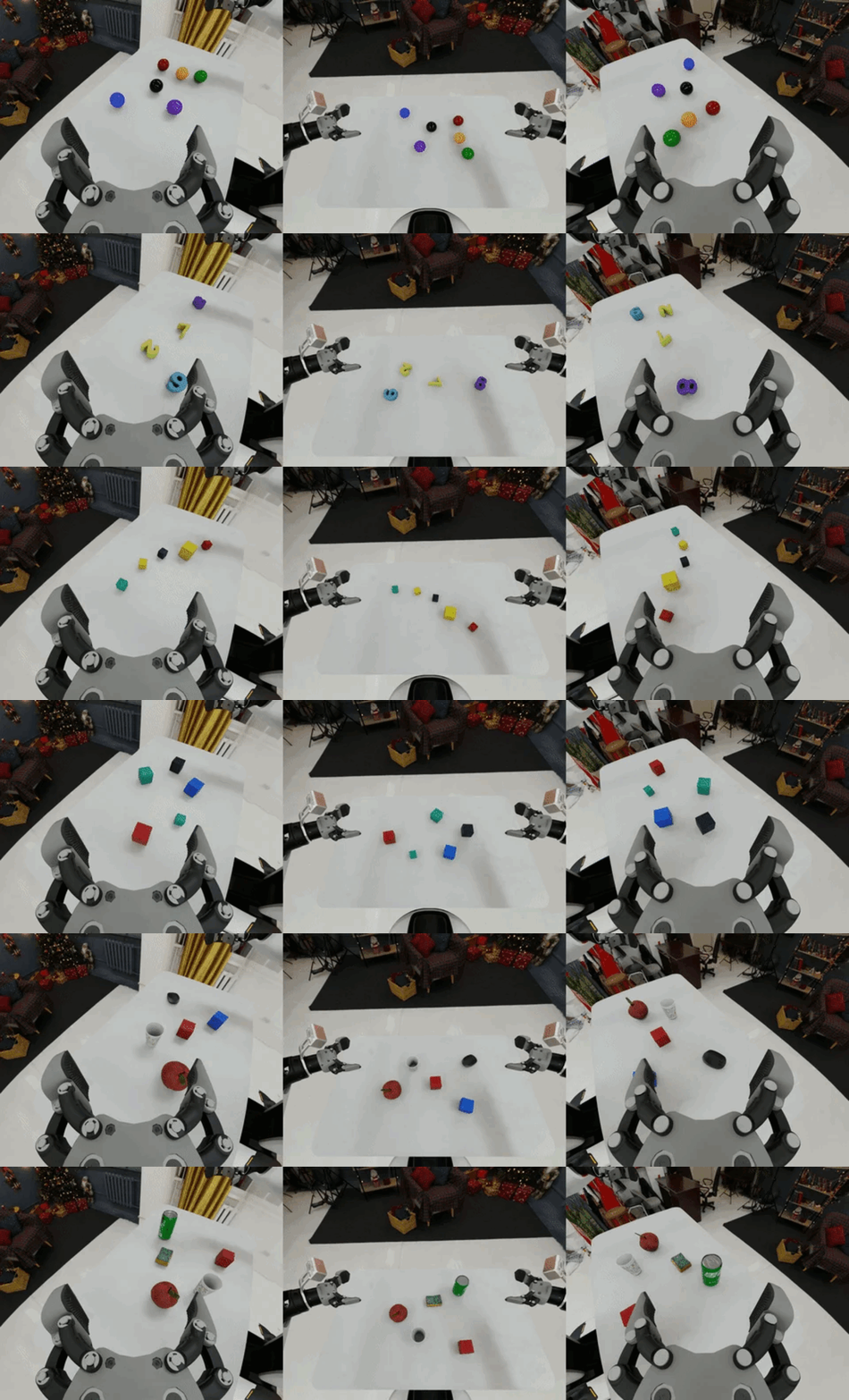
Genie Sim 3.0 flips that script. The platform can instantly create countless scenarios, from busy kitchens to cluttered warehouses, giving robots millions of practice runs without touching physical equipment. It produces the same sensor data robots would receive in real life, including visual information, depth perception, and laser measurements.
The system tests five critical robot skills: following spoken instructions, understanding physical spaces, manipulating objects, handling unexpected changes like lighting shifts or sensor glitches, and transferring learned skills from simulation to real robots. These benchmarks work across different robot models, creating a universal report card for AI performance.
AGIBOT integrated reinforcement learning directly into the platform, allowing robots to learn through trial and error at superhuman speeds. The system runs physics calculations 1,000 times per second while maintaining photorealistic visuals. Robots can practice the same task thousands of times simultaneously in parallel simulations, compressing months of learning into days.
The Ripple Effect
This infrastructure could democratize robot development. Small research teams and startups that couldn't afford expensive real-world testing can now compete with tech giants. Universities can train students on sophisticated robotics without million-dollar labs.
The company made parts of the platform open-source, inviting developers worldwide to build on the foundation. As more teams contribute environments and improvements, the collective library of training scenarios grows exponentially.
Faster, cheaper robot development means beneficial automation could reach more places sooner. Robots that assist elderly people at home, sort recycling more effectively, or handle dangerous industrial tasks all get closer to reality when the development cycle shrinks from years to months.
The gap between virtual training and real-world performance keeps narrowing as simulations become more realistic. AGIBOT's system already achieves high success rates when robots transfer skills learned in simulation to actual physical tasks.
What once required specialized engineering teams and costly equipment now happens through text commands and cloud computing, opening robotics innovation to anyone with good ideas and determination.
More Images

Based on reporting by The Robot Report
This story was written by BrightWire based on verified news reports.
Spread the positivity!
Share this good news with someone who needs it